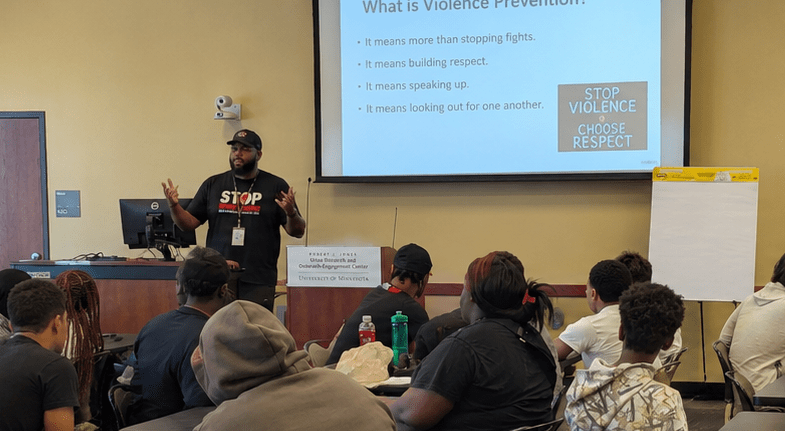
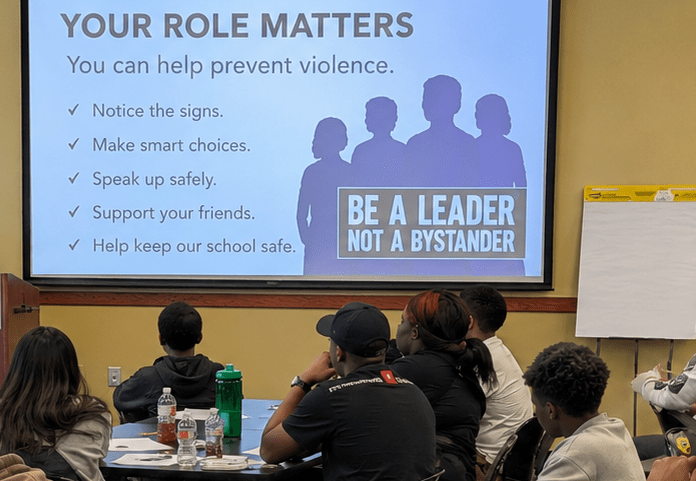
 During the week of July 13, 2026, Asian Media Access (AMA) hosted a Violence De-escalation and Personal Safety Training for 38 youth, providing practical strategies to recognize warning signs of conflict, manage emotions, communicate respectfully, and make safe decisions during tense situations. Through presentations, interactive discussions, and real-life examples, participants learned that violence is often preventable when individuals have the skills to pause, think, and respond rather than react.
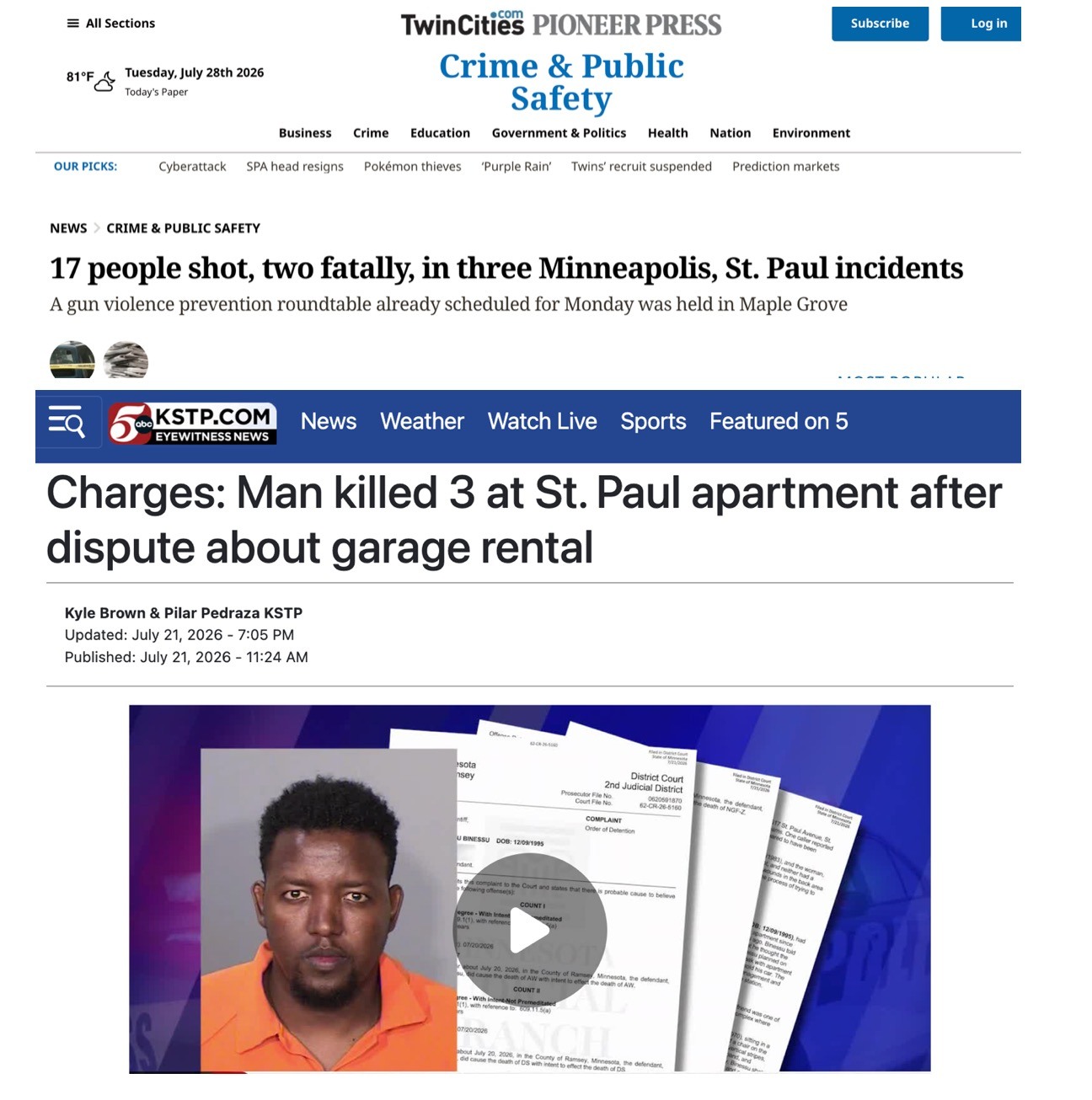
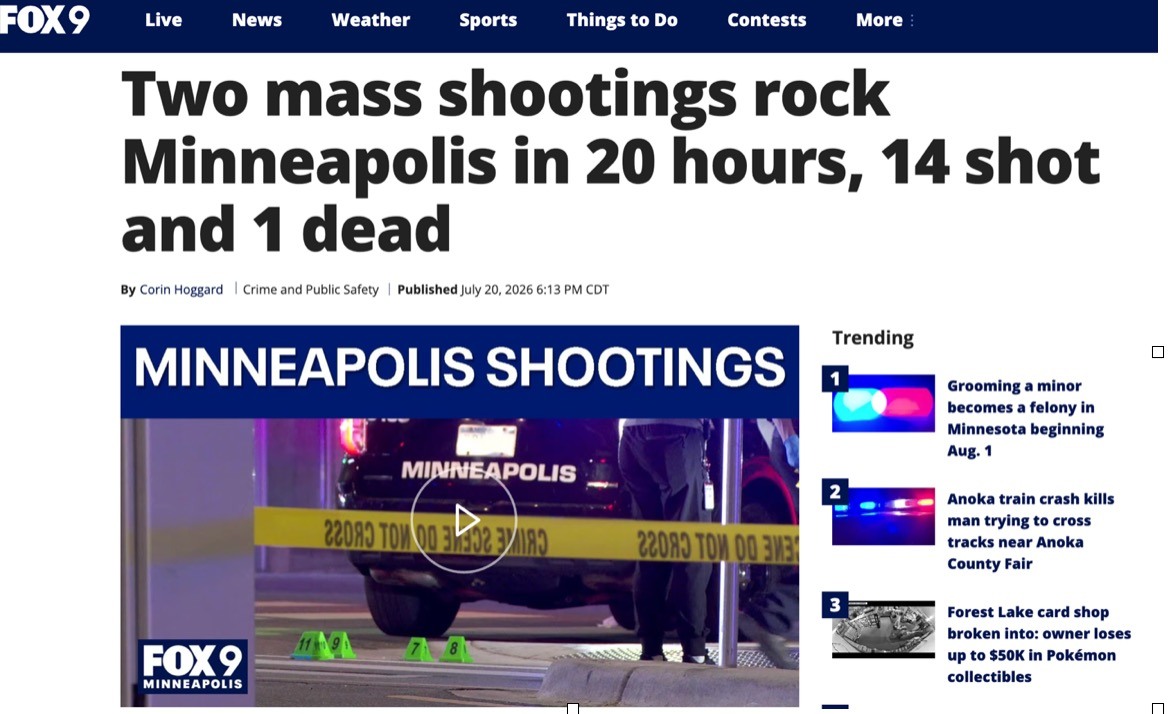 Sadly, only days after the training, the Twin Cities experienced a series of tragic and highly publicized acts of violence that deeply affected our communities. A fatal shooting in St. Paul’s Frogtown neighborhood claimed the life of one man. In Minneapolis’ Uptown district, what reportedly began as a street altercation outside a nightclub escalated into a mass shooting that injured nine young adults. Less than 24 hours later, another shooting in the Stevens Square neighborhood left one person dead and four others injured. Additional shootings occurred in North and South Minneapolis, while a devastating triple homicide at the Davern Park Apartments leasing office in St. Paul reportedly followed a dispute between a tenant and property management over a parking contract.
 Although investigators continue to determine the full circumstances of each incident, these tragedies remind us that many violent events begin with interpersonal conflicts, misunderstandings, anger, frustration, or impulsive reactions that quickly spiral out of control. A disagreement that might otherwise be resolved peacefully can become life-changing when emotions overwhelm judgment or when individuals lack the skills to de-escalate a situation. In a matter of seconds, one impulsive decision can leave families grieving, innocent bystanders traumatized, and entire neighborhoods living with fear and uncertainty.
 For young people, repeated exposure to community violence can have lasting effects. Even when they are not directly involved, hearing about or witnessing shootings can increase anxiety, fear, stress, anger, and feelings of hopelessness. Some youth may become withdrawn, while others may respond impulsively or look to unhealthy ways of coping with emotional distress. Without positive support and healthy coping strategies, unresolved stress can contribute to additional risk-taking behaviors, including aggression, substance use, or other harmful decisions.
This is why violence prevention must begin long before a crisis occurs. Teaching youth how to recognize escalating situations, regulate emotions, resolve disagreements respectfully, and walk away from dangerous confrontations provides practical life skills that can reduce risk and strengthen resilience. De-escalation is not about avoiding difficult conversations—it is about learning to respond with self-control, empathy, sound judgment, and respect, even during moments of conflict.
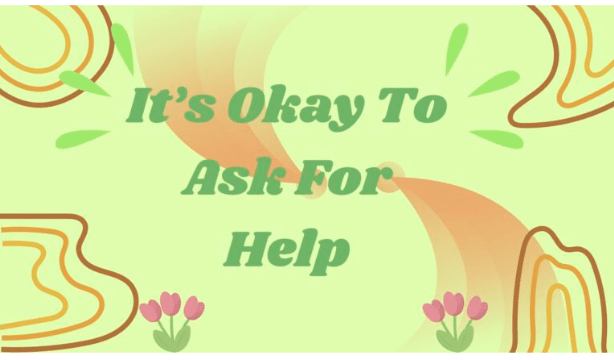
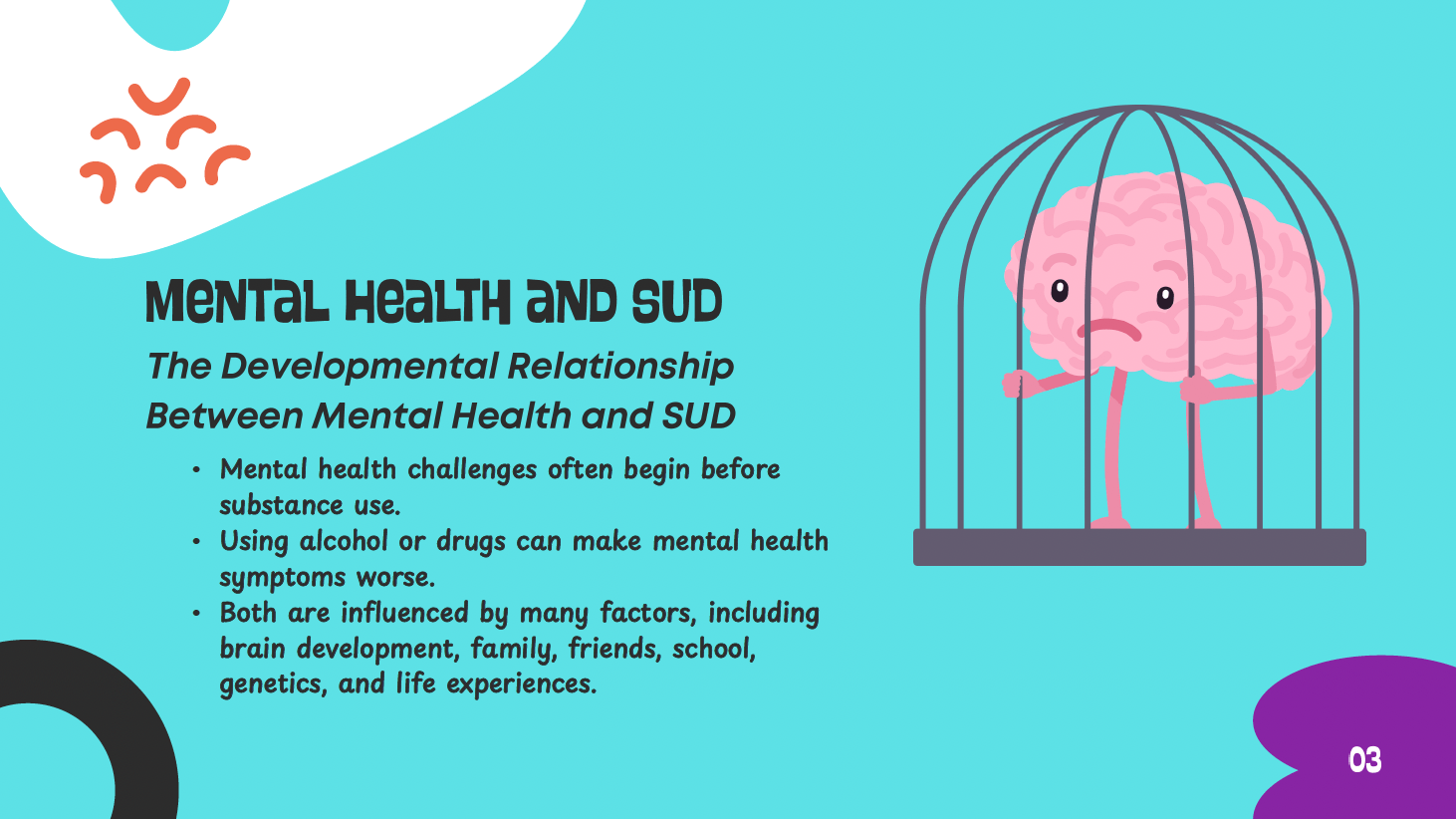 Recognizing that the recent violence may have affected participants emotionally, AMA immediately followed the de-escalation training with a Mental Wellness and Healthy Coping Skills Workshop the following week. The workshop provided a safe and supportive space where youth openly discussed the recent shootings, reflected on how violence impacts their thoughts, emotions, and sense of safety, and learned that it is normal to experience fear, sadness, frustration, or uncertainty following traumatic community events.
 Through presentations and facilitated group discussions, participants explored the connection between violence, stress, mental health, and decision-making. The workshop emphasized healthy coping strategies such as talking with trusted adults, building supportive friendships, participating in positive community activities, staying physically active, practicing emotional regulation, and seeking professional help when needed. Youth also discussed why turning to alcohol, drugs, or violence may provide temporary escape but ultimately creates additional challenges for themselves, their families, and their communities.
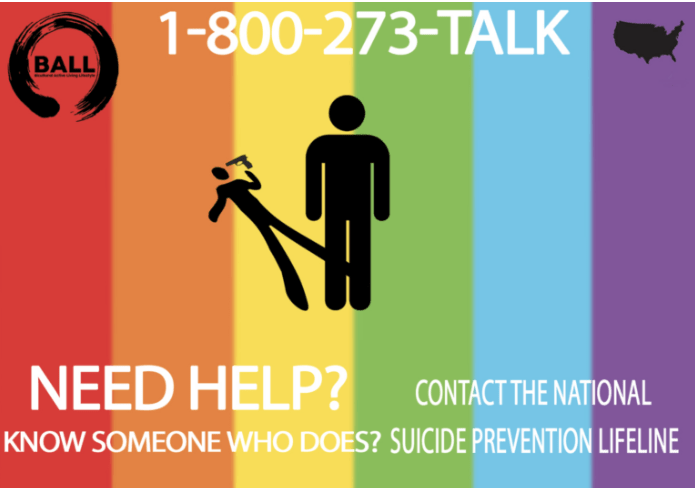 The discussions reinforced a powerful message: strength is not measured by how someone reacts in anger—it is measured by the ability to remain calm, think clearly, seek support, and make healthy choices under pressure. Every conflict that is peacefully resolved, every young person who chooses to walk away from violence, and every conversation that encourages someone to seek help represents a step toward a stronger and safer community.
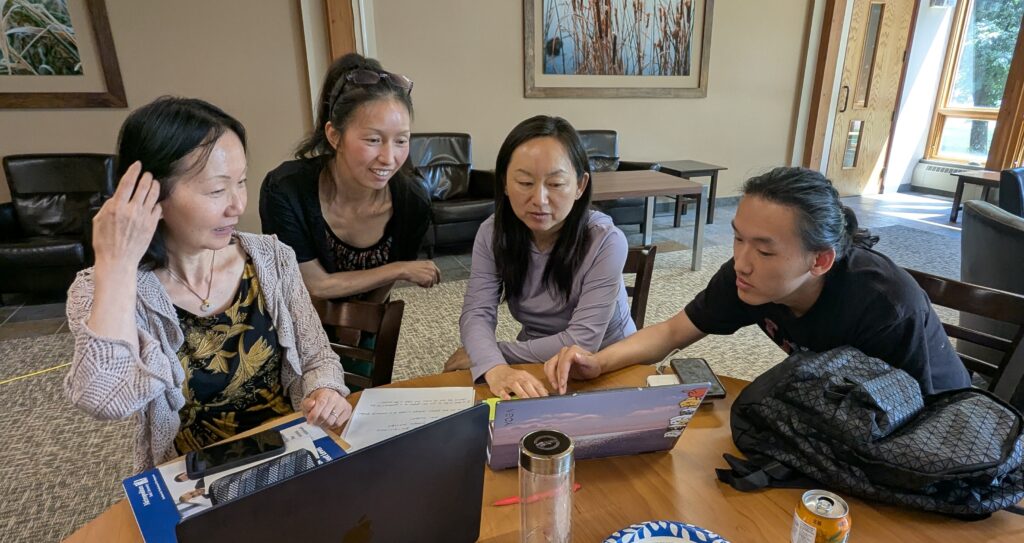
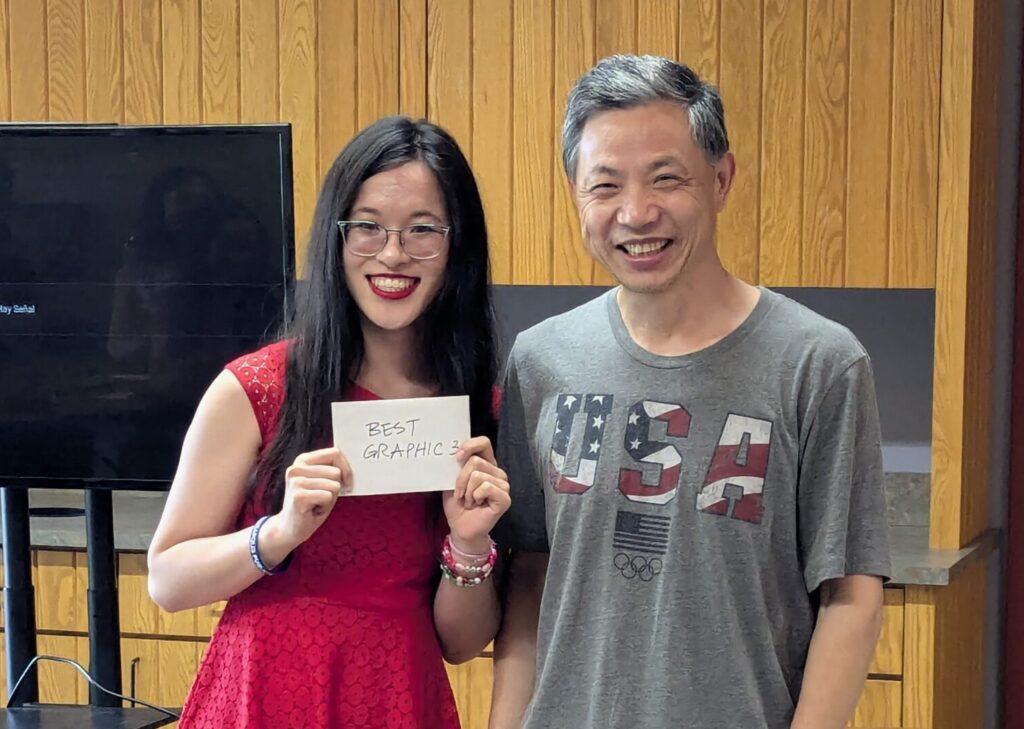
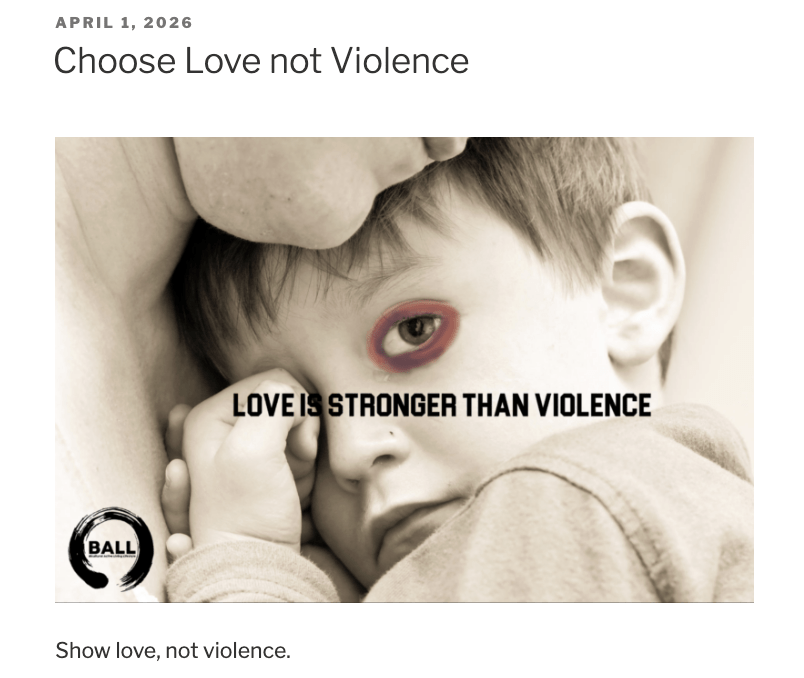
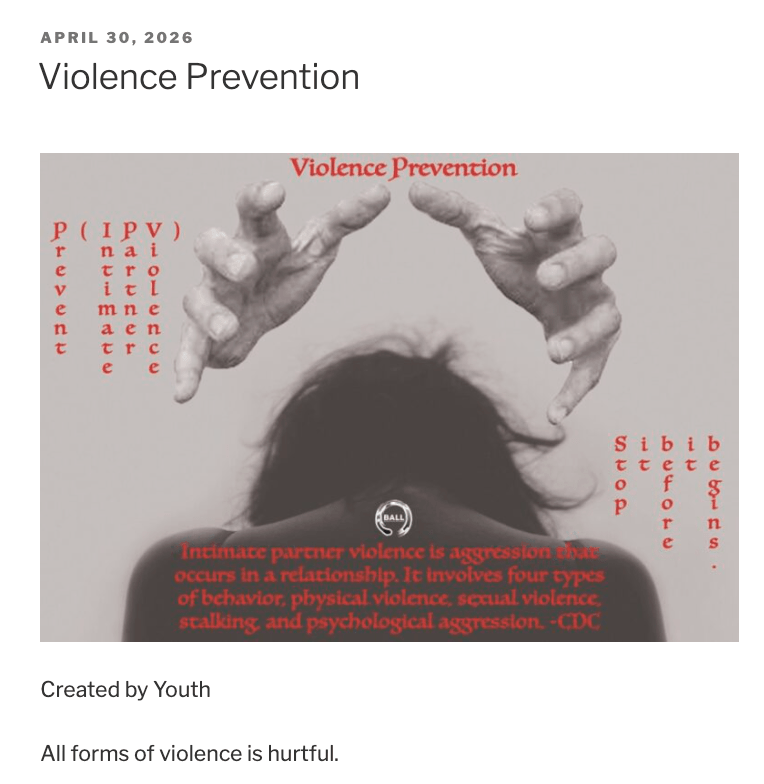 At Asian Media Access, we believe that preventing violence requires more than responding after tragedy occurs. It requires investing in young people before conflicts escalate by providing education, mentorship, positive role models, and opportunities to develop the social, emotional, and leadership skills needed to navigate life’s challenges. By combining violence prevention, mental wellness education, and healthy coping strategies, AMA is helping young people build resilience, strengthen relationships, and create communities where respect, compassion, and hope are stronger than fear and violence. Empowered to speak up, the youth applied these strategies with multi-media skills to design compelling postcards and videos that promote peaceful and violence-free communities. Through creative storytelling, they will transform their multi-media skills into powerful tools for violence prevention and positive social impact.
 Together, families, schools, community organizations, behavioral health professionals, law enforcement, and youth all play an important role in building safer neighborhoods. Every young person who learns to pause before reacting, resolve conflict peacefully, support a friend in need, or seek help during difficult times becomes part of the solution. Through prevention, education, and community collaboration, we can create a future where more conflicts end in conversation instead of violence, and where every young person has the opportunity to thrive in a safe, healthy, and supportive community.