Series Preface: Asian Media Access proudly presents “Calling America HOME” Series, which is inspired by the resilience and hope shared by immigrants and refugees from all corners of Asia who have rebuilt their lives in Minnesota. Through these stories, we invite readers to witness a legacy of survival, determination, and hope against impossible odds.
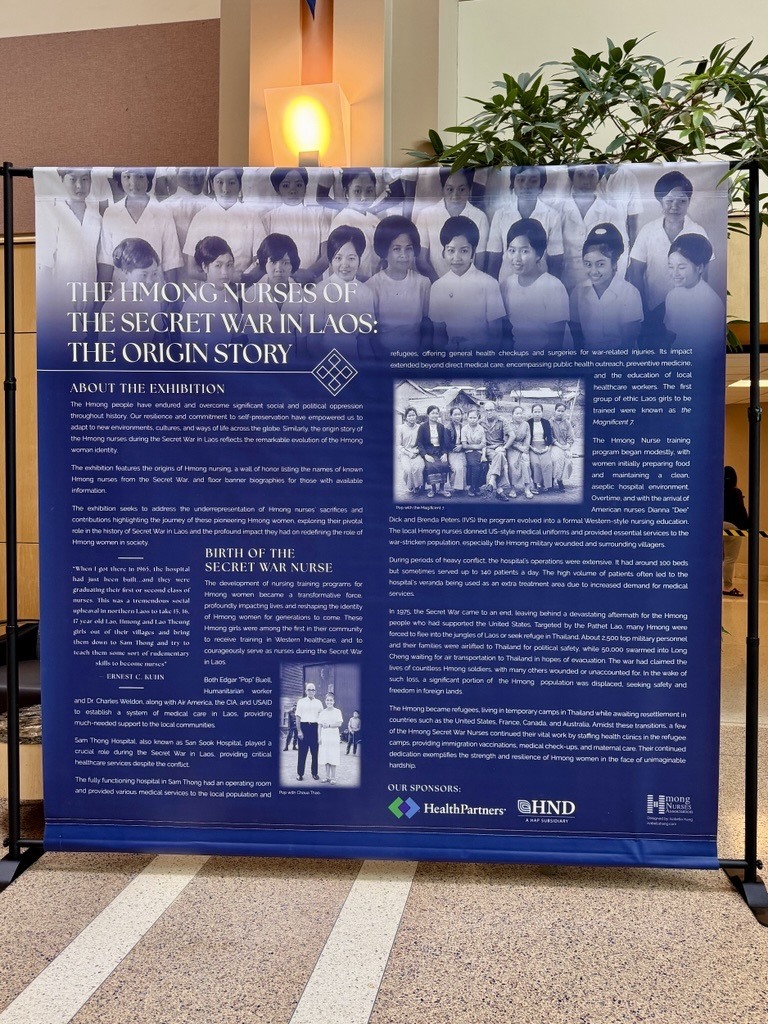
In this edition, we proudly feature the Hmong Secret War Nurse Exhibition
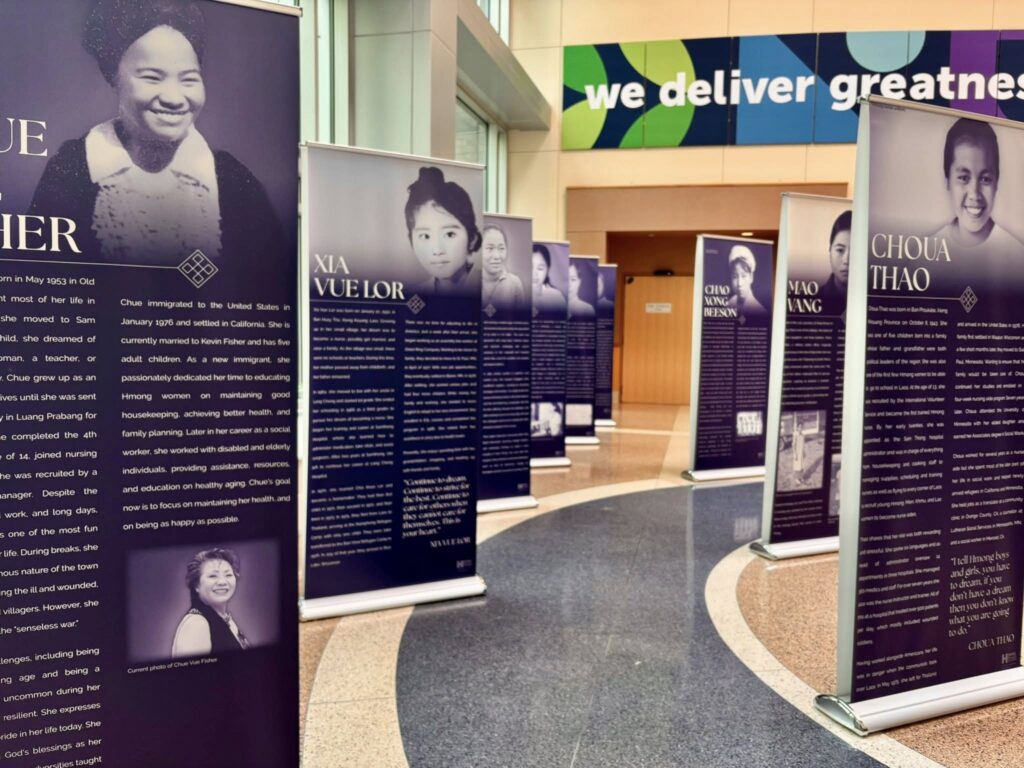
As part of Nurses Week celebrations in May, Regions Hospital became the first hospital in the nation to host the Hmong Secret War Nurse Exhibition. This display commemorates the legacy, sacrifices, and contributions of Hmong healthcare pioneers. The exhibit brings long-overdue recognition to a critical yet historically underrepresented chapter of healthcare history. Exhibitions like this not only showcase the important contributions and influence of immigrants and refugees but also honor the stories that would otherwise go untold.
The exhibit was founded by May Hang, a longtime registered nurse practitioners and a leader in the Hmong Nurse Association. May Hang collected and interpreted stories from 12 nurses, each sharing their personal experiences as young girls and women providing essential healthcare services during the war.
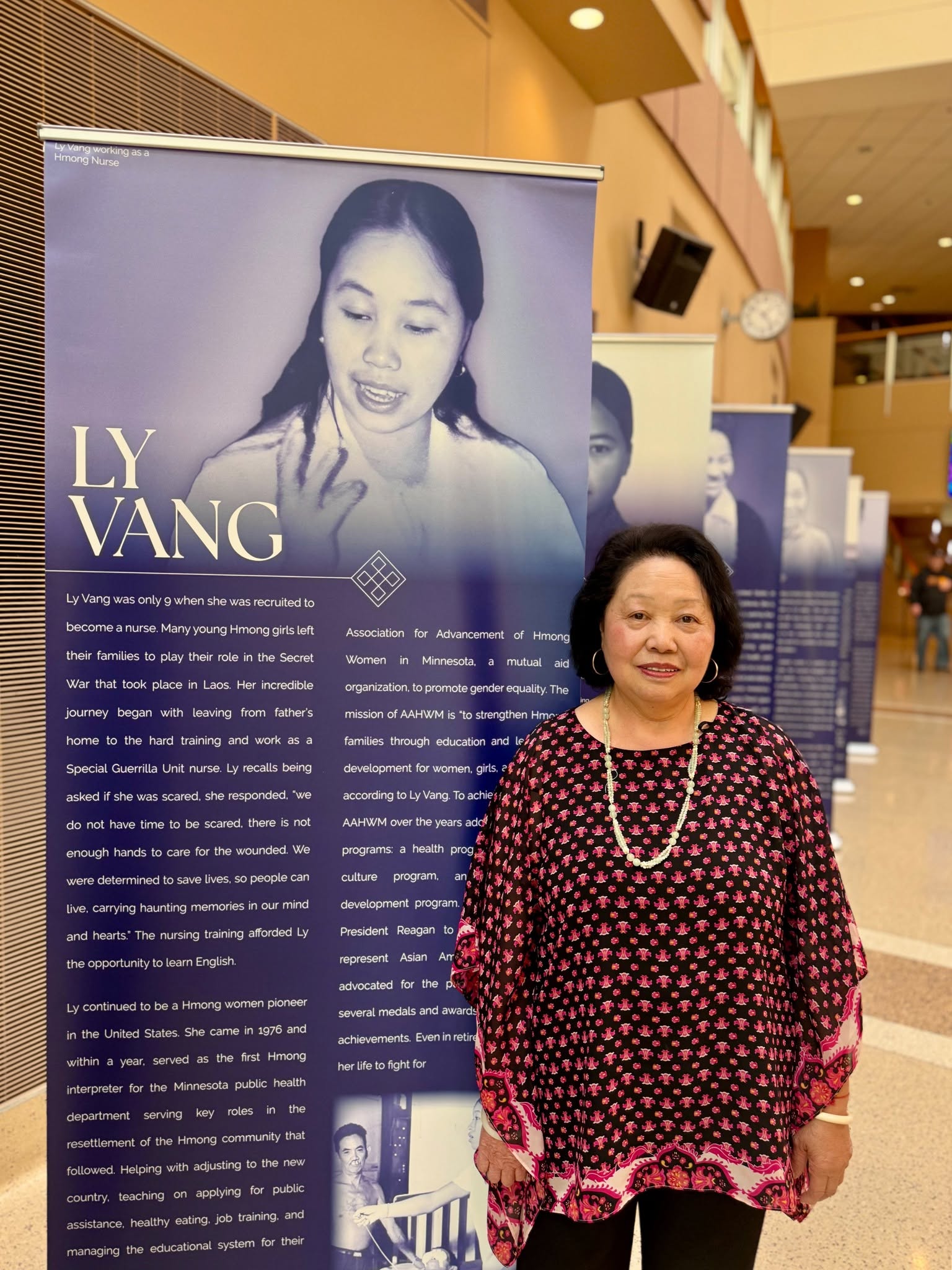 Xiongmee Chang, Nurse Manager at Regions Hospital, helped bring the exhibition on display. Xiongmee noted: “It’s like a source of pride and validation. It recognizes contributions that were not always visible or acknowledged.” By elevating these untold stories, Regions Hospital reinforces its commitment to cultural understanding and honors the healthcare pioneers who paved the way. Ly Vang was one of the Hmong women featured in the exhibition, who also happened to be Xiongmee’s traditional Hmong dance teacher. After immigrating to the United States, Ly Vang started a nonprofit organization to prevent gangs, drugs, and violence on the streets of North Minneapolis by teaching traditional Hmong dances. Ly dedicated her life to caring for people, and many of the youth she taught years ago did not learn about her involvement in the secret war until the exhibition launched.
At just 8 years old, Ly was one of many young girls recruited to train as a “Secret War Nurse” during the 1960s-70s civil war in Laos. Ly was nicknamed “baby” by the other nurses as she was the youngest of the group.
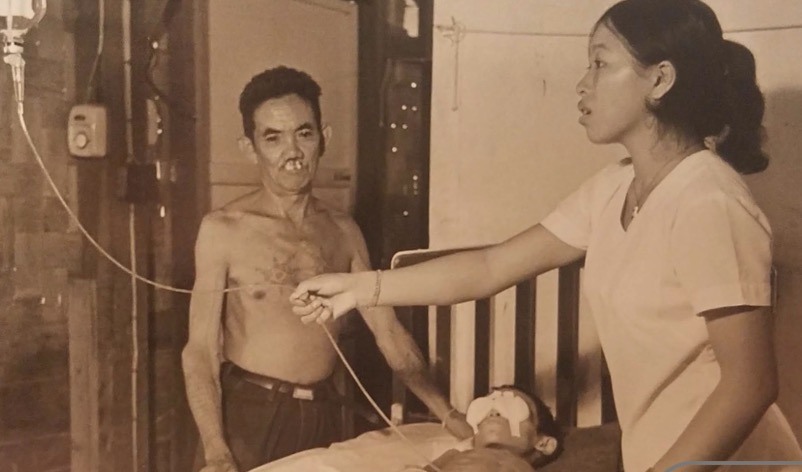 Ly left home to become a nurse in the Special Guerrilla unit. When she was asked if she was scared, she responded, “We do not have time to be scared, there are not enough hands to care for the wounded. We were determined to save lives, so people can live, carrying haunting memories in our mind and hearts.”Many of these young girls were among the first Hmong women to receive formal training in Western medicine.
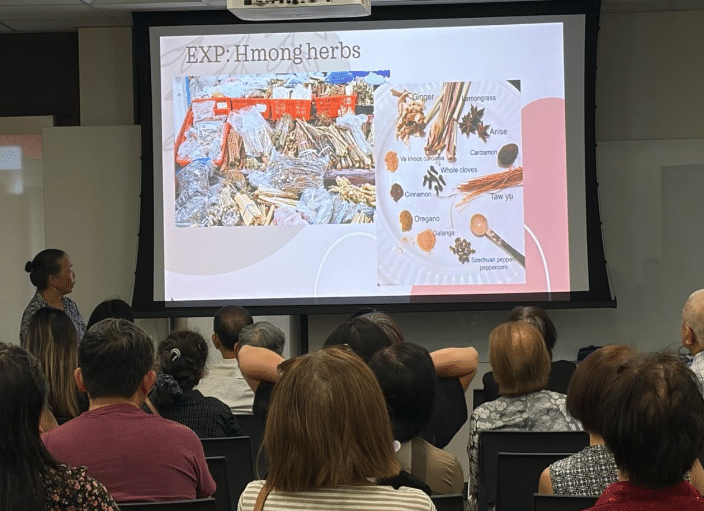
The exhibition brings to light the transformation of modern patient care. Western medicine was a cultural defiance because it conflicted with traditional Hmong healing beliefs. The majority of traditional Hmong cultural beliefs and practices include home remedies and herbal treatment. For example, Hmong healing practices for physical pain, such as headaches, muscle aches, or abdominal pain, can involve cupping the skin with glass cups or rubbing the skin with a coin or spoon. Herbal remedies can include dried roots, fresh herbs, or other organic substances, such as dried snake gall bladders. Additionally, some Hmong cultural beliefs and practices can include Shamanistic rituals to help maintain and restore health. According to Shamanism, diseases are caused by biological and spiritual imbalance. With this, treating an illness requires a Shaman, a traditional healer who can ensure contact between the physical and spiritual worlds. For early Hmong nurses, adopting Western medicine required navigating a cultural shift.
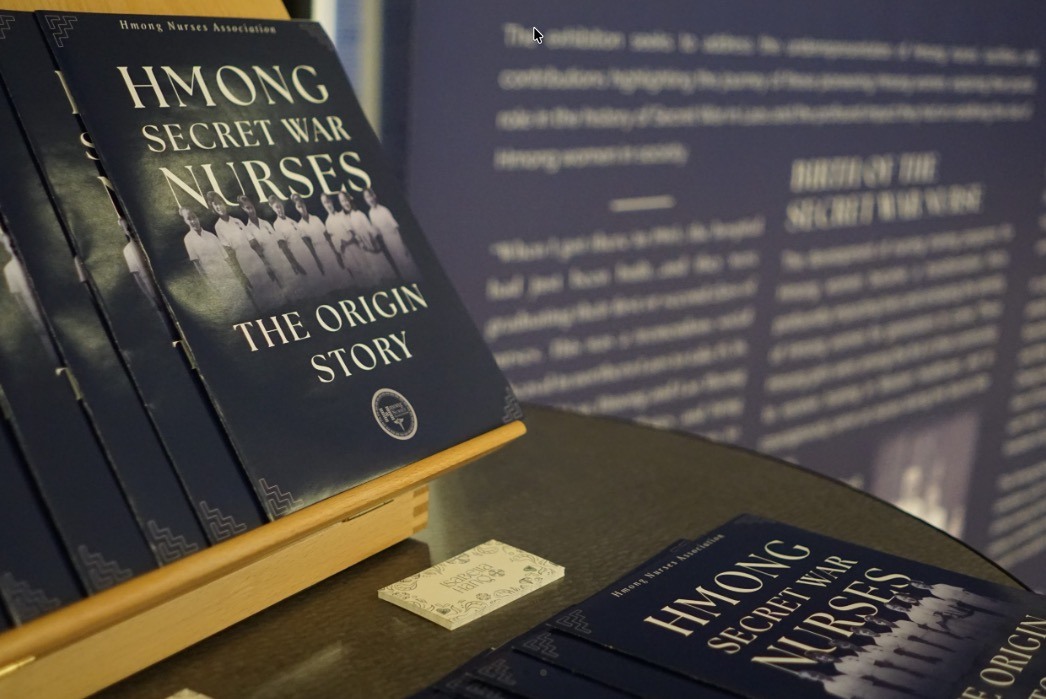 The exhibition is a reminder to promote cross-cultural understanding of the heritage and host culture. Providers at Regions Hospitals can continue to educate on Western practices while providing culturally responsive care for immigrants and refugees. It is important to consider the heritage culture that influences views on health, illness, and treatment. When healthcare providers understand the cultural context of bicultural individuals, patients receive more empathetic, personalized, and effective care.
When Ly moved to Minnesota, Ly became one of the first Hmong interpreters at Regions in 1977, bridging the language and cultural barriers to care for bicultural patients and families. Ly helped many in the Hmong community during resettlement, addressing cultural barriers and adjustments to a new country.
Ly was one of 12 women who played vital roles in the war and continued to influence the Hmong and Hmong-American community afterward. Also featured in the exhibition is Choua Thao, who became the first trained nurse in the program at just 13 years old. She is recognized as the “Hmong Florence Nightingale” for serving as the head administrator at Sam Thong Hospital. A quote found on Choua’s banner says, “I tell Hmong boys and girls, you have to dream, if you don’t have a dream, then you don’t know what you are going to do.” When she moved to the United States in 1976, she enrolled in a 4-week nursing aide program to continue helping care for people in the U.S. and to provide for her family. She later earned an associate’s degree in social work, helping newly arrived refugees in California and Minnesota.
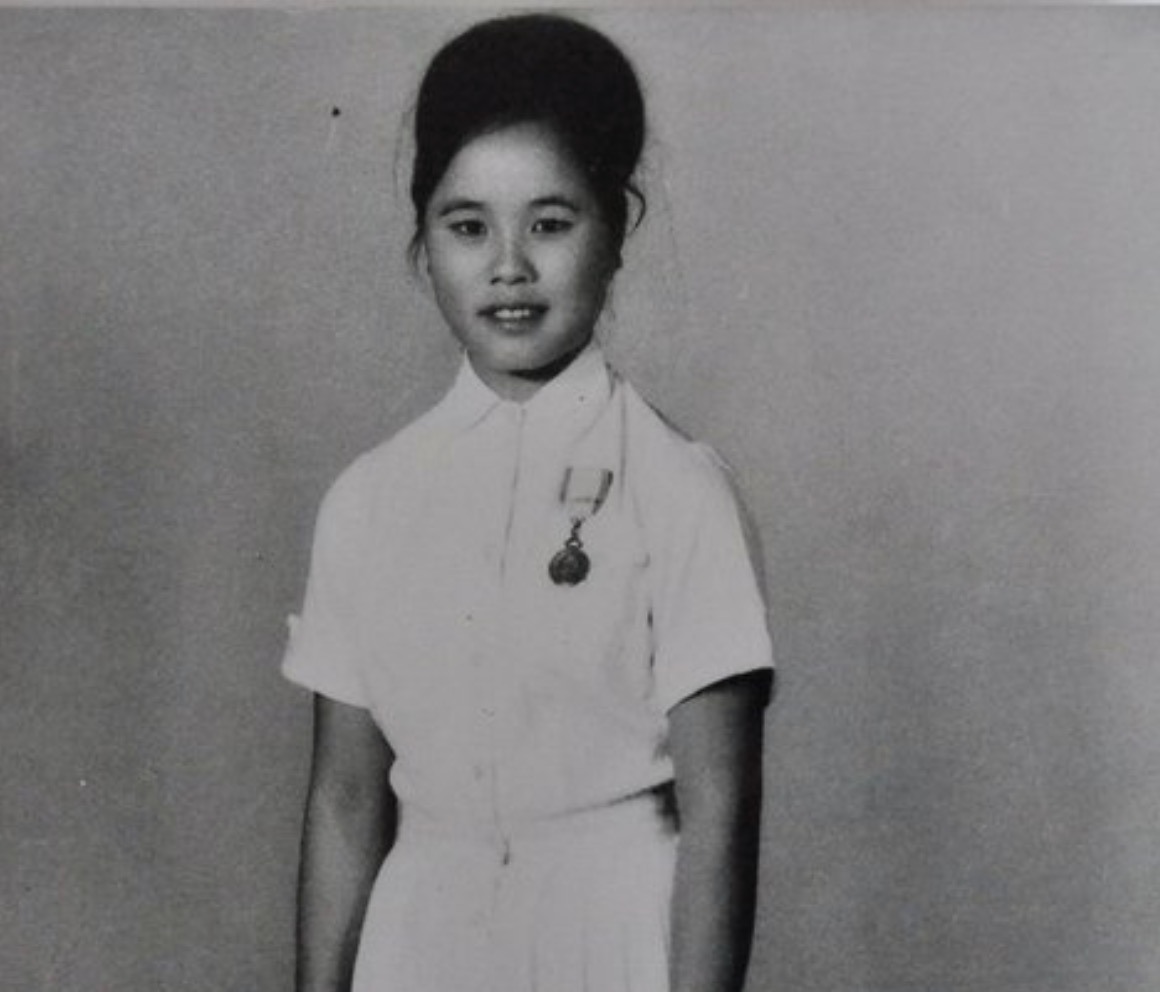 Another notable feature was Zoua Lo Her, who was recruited at age 12 and became the head of the Intensive Care Unit by age 16. She was one of the first Hmong women who could read, write, and speak English. She later became an advocate for human services, serving as director of the National Refugee Women and Development Project, where she helped Hmong refugees. Zoua Lo Her passed away in 1986, but her daughter-in-law, St. Paul Mayor Kaholy Her, the first woman and first Asian-American to hold the title of mayor of St. Paul, attended the unveiling at Regions Hospital.
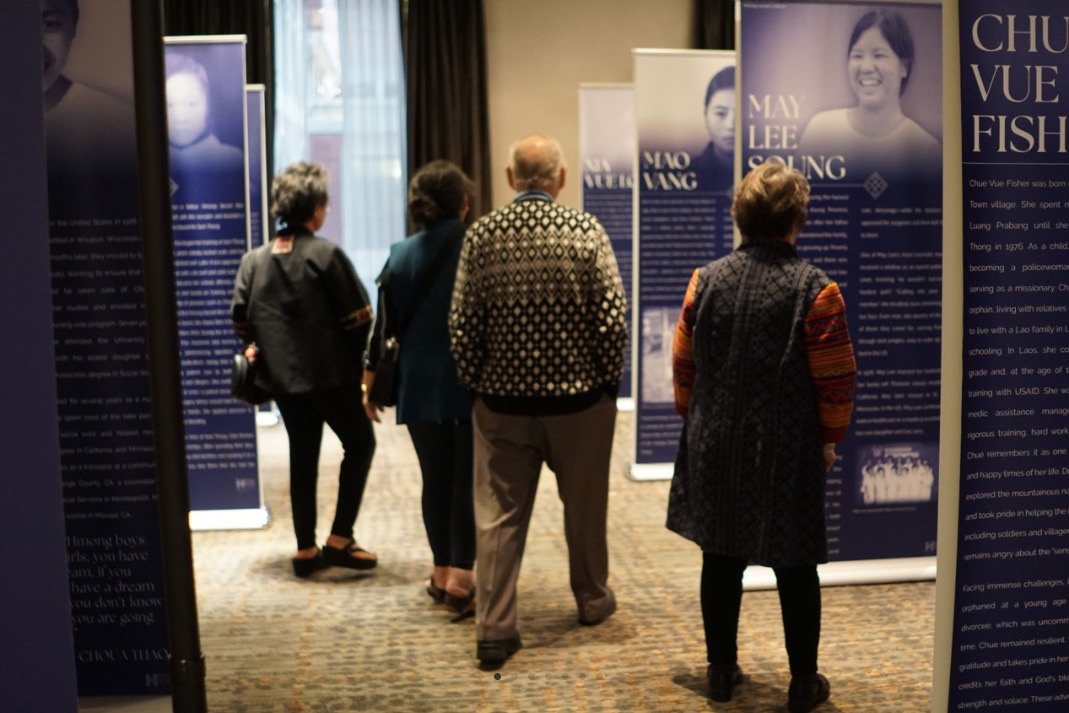 For the immigrant and refugee communities, this exhibition provides critical historical representation, cultural validation, and a sense of pride. By elevating these historic healthcare pioneers, Regions Hospital not only celebrates the Hmong Secret War nurses who paved the way but also reinforces its commitment to serving a diverse patient population with dignity and respect.
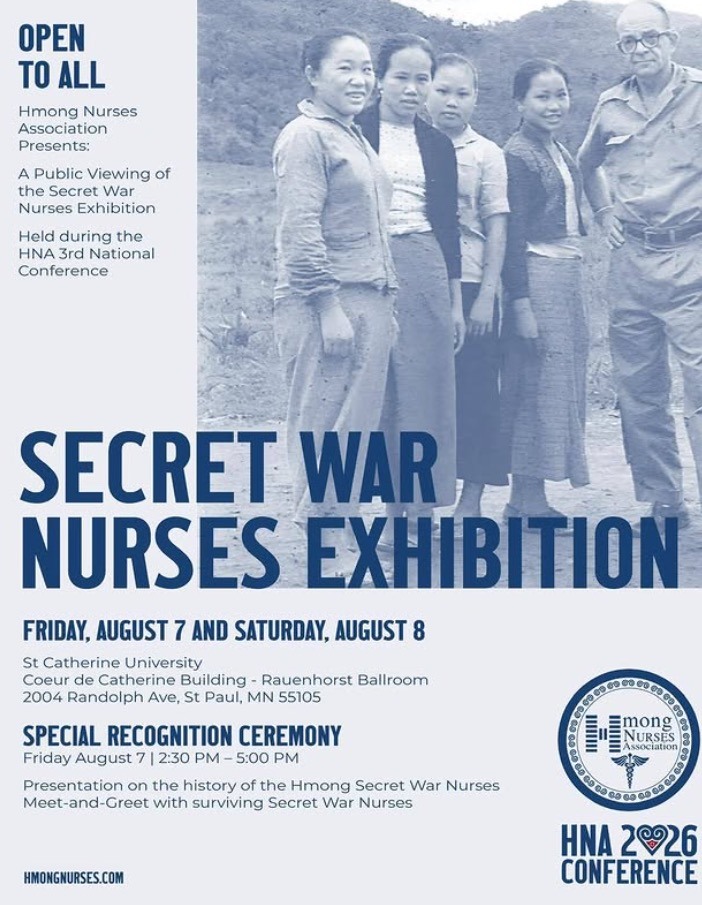 On August 7-8, 2026, the bi-annual Hmong Nurse Association Conference was held at St. Catherine University in St. Paul. The Secret War Exhibition was also displayed. During the conference, the Hmong Secret War nurses were recognized with a pinning ceremony. The ceremony was emotional and meant so much to the Hmong secret war nurses because it had been 50 years since the war. For decades, these Hmong Secret Nurses were largely unrecognized for their sacrifices, and many of their contributions were overlooked in history. Even after the war ended, their work did not. Many of the Hmong nurses continued to staff health clinics in Thai refugee camps, providing care to thousands awaiting resettlement.
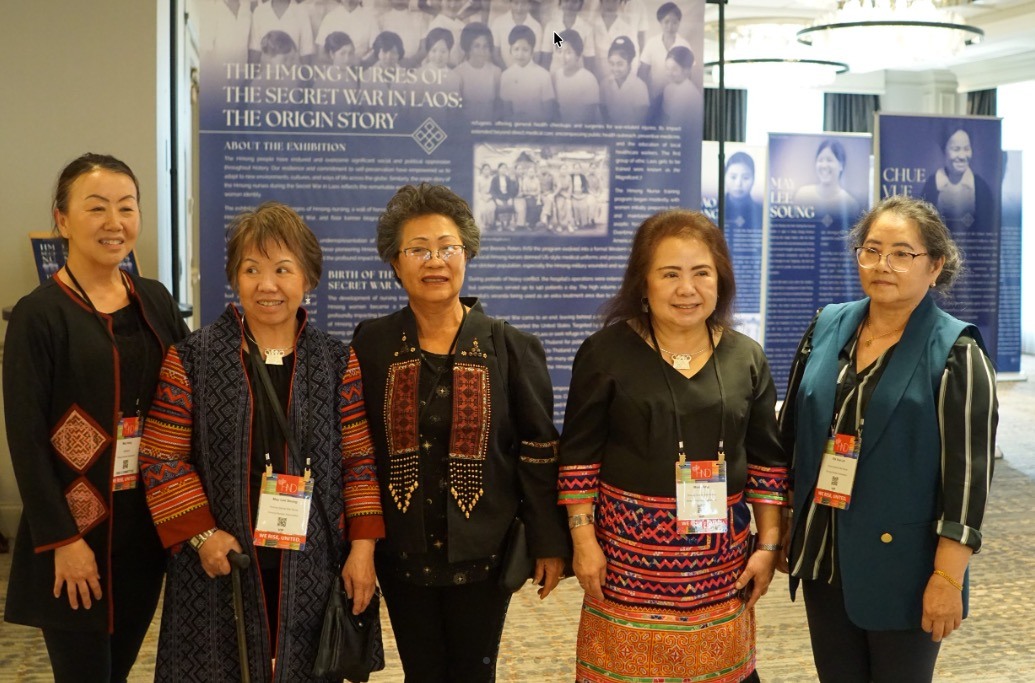
These stories, captured in the exhibition, spotlight the influence that these women had before, during, and after the war. Hmong refugees pioneered a model of cross-cultural care that directly impacts how we navigate bicultural healthcare and treatment efforts today.