Calling America HOME” Series
Series Preface: Asian Media Access proudly presents the “Calling America HOME” series, inspired by the resilience and hope shared by immigrants and refugees from all corners of the Asian diaspora who have rebuilt their lives in the States. Through these stories, we invite readers to witness a legacy of survival, determination, and hope against impossible odds.
Q1. Thank you for speaking with AMA. Can you begin by introducing yourself and describing your journey of becoming a bicultural ambassador?
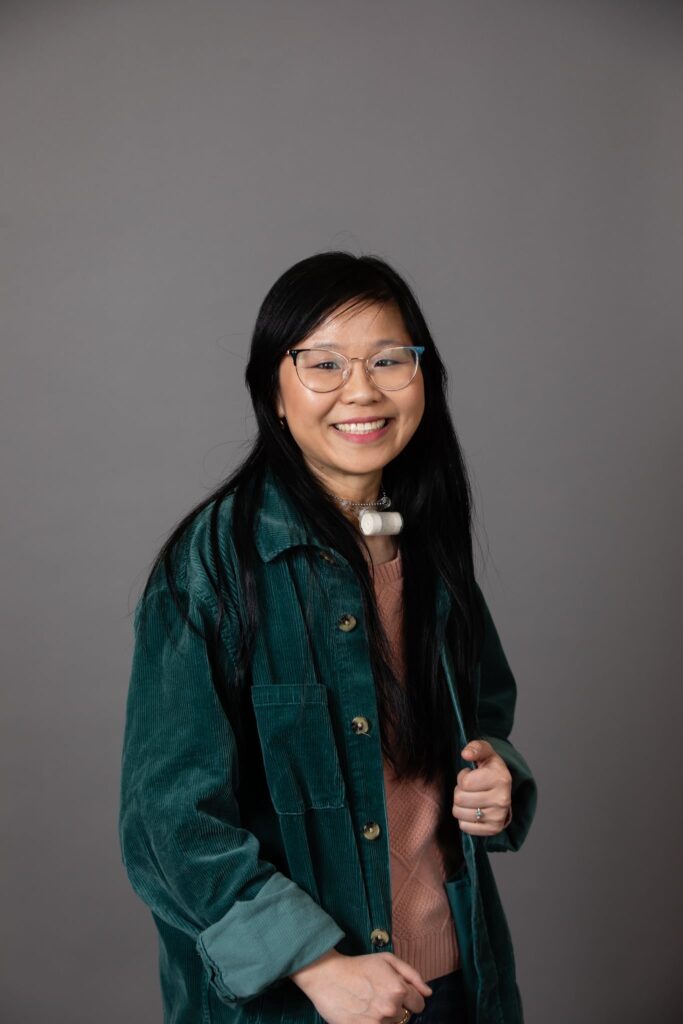
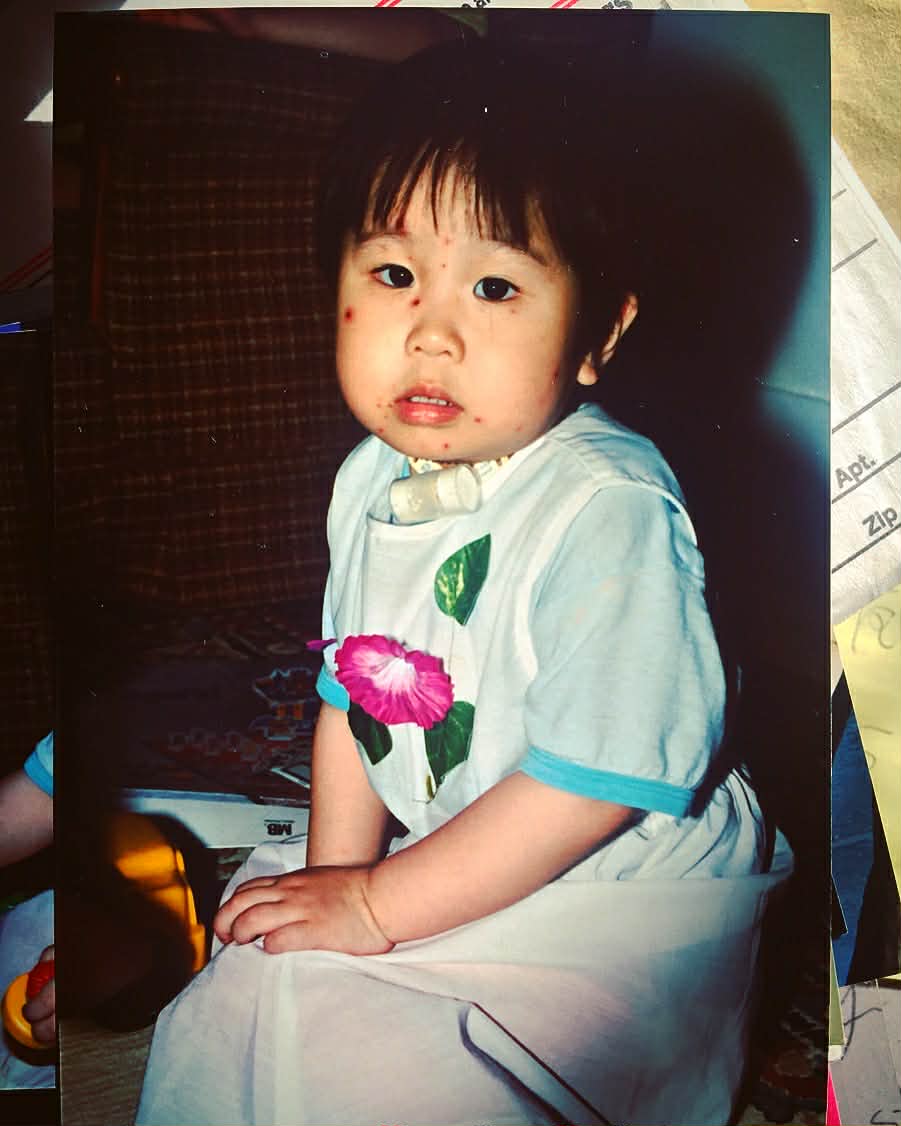 I’m a journalist and children’s book author based in New York City. I’m a second-generation Chinese American, and I also have multiple disabilities. I was born with vocal cord paralysis, so I wear a tracheostomy tube that helps me breathe. I’ve never thought of myself as a bicultural ambassador, but I’m very passionate about covering disability issues and the Chinese American experience. In my work as a journalist, I’ve written about mental health in AAPI communities, growing up with a disability in Asian America, and similar issues. I gravitate toward these topics because of my personal upbringing. Growing up, I never really saw people who looked like me in books, shows or movies. I was taught to keep my head down and blend in; for my immigrant Chinese family, it was a survival skill for assimilation. But it was tough for me as a Chinese girl with a visible disability. There is also a lot of stigma around disability, so when I was younger people often assumed that I wouldn’t be able to get married, drive a car, have a career, etc. Now I’m a full-time journalist working at a major media company, and I’m married!
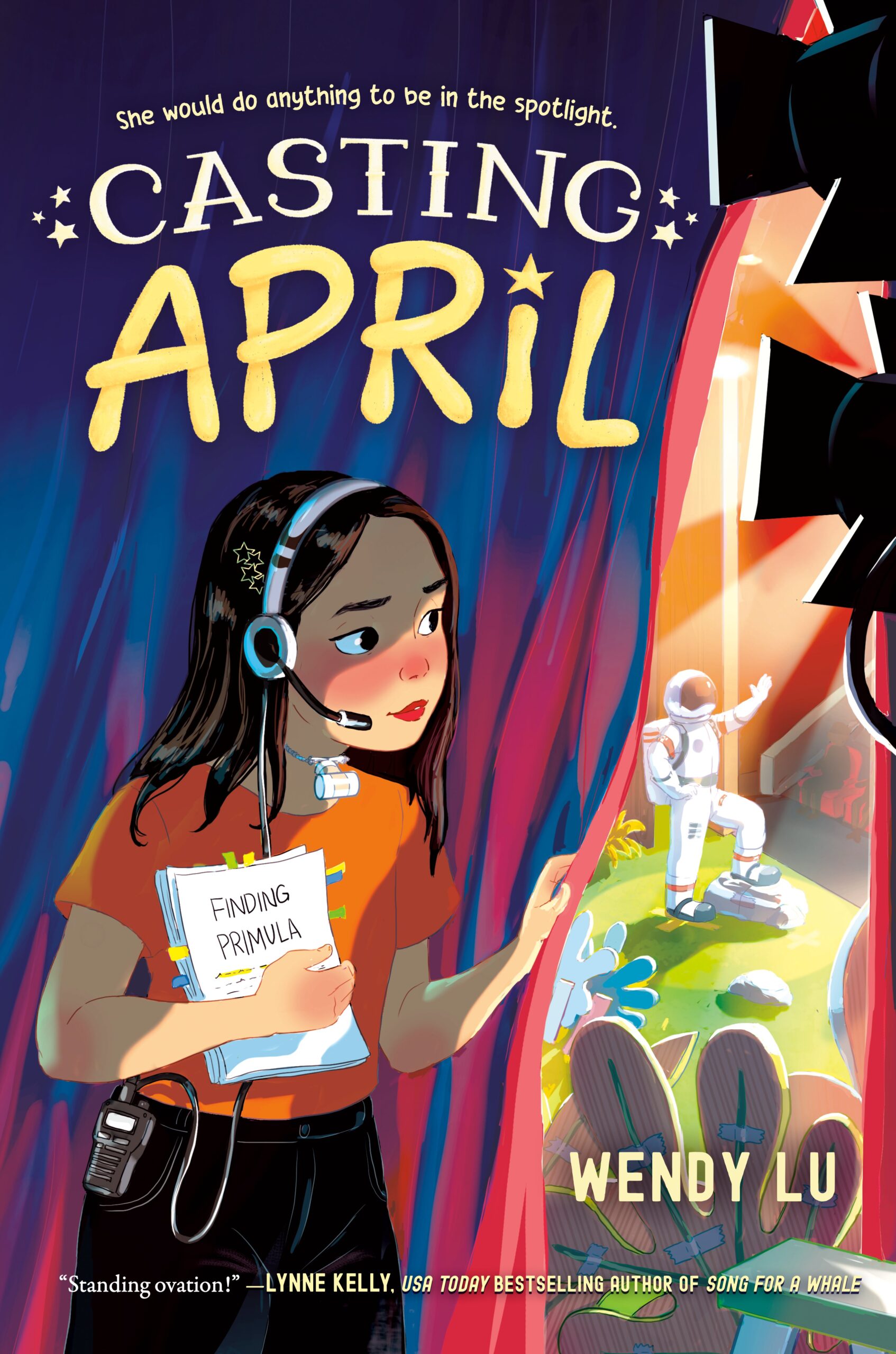 I’m very proud to say that I also recently published my first novel, “Casting April,” with Penguin Random House. “Casting April” is about a talented Chinese American girl named April who loves acting and wants to play the lead role in her school play — except nobody believes she can do it because of her disability. Like me, April also wears a tracheostomy tube, and she knows how it feels when people underestimate her. She wants to prove everyone wrong, but more importantly, she learns to believe in herself instead of relying on other people’s validation.
Because I did not grow up seeing kids like me in the media, it’s even more meaningful to me that I’ve been able to publish a novel that features authentic Chinese and disability representation. That is the throughline behind all of my work, both as a journalist and an author.
Q2. Please share more with us – How did your own cultural identity evolve while working in supporting others? How has that work shaped your sense of belonging in both Heritage and American cultures?
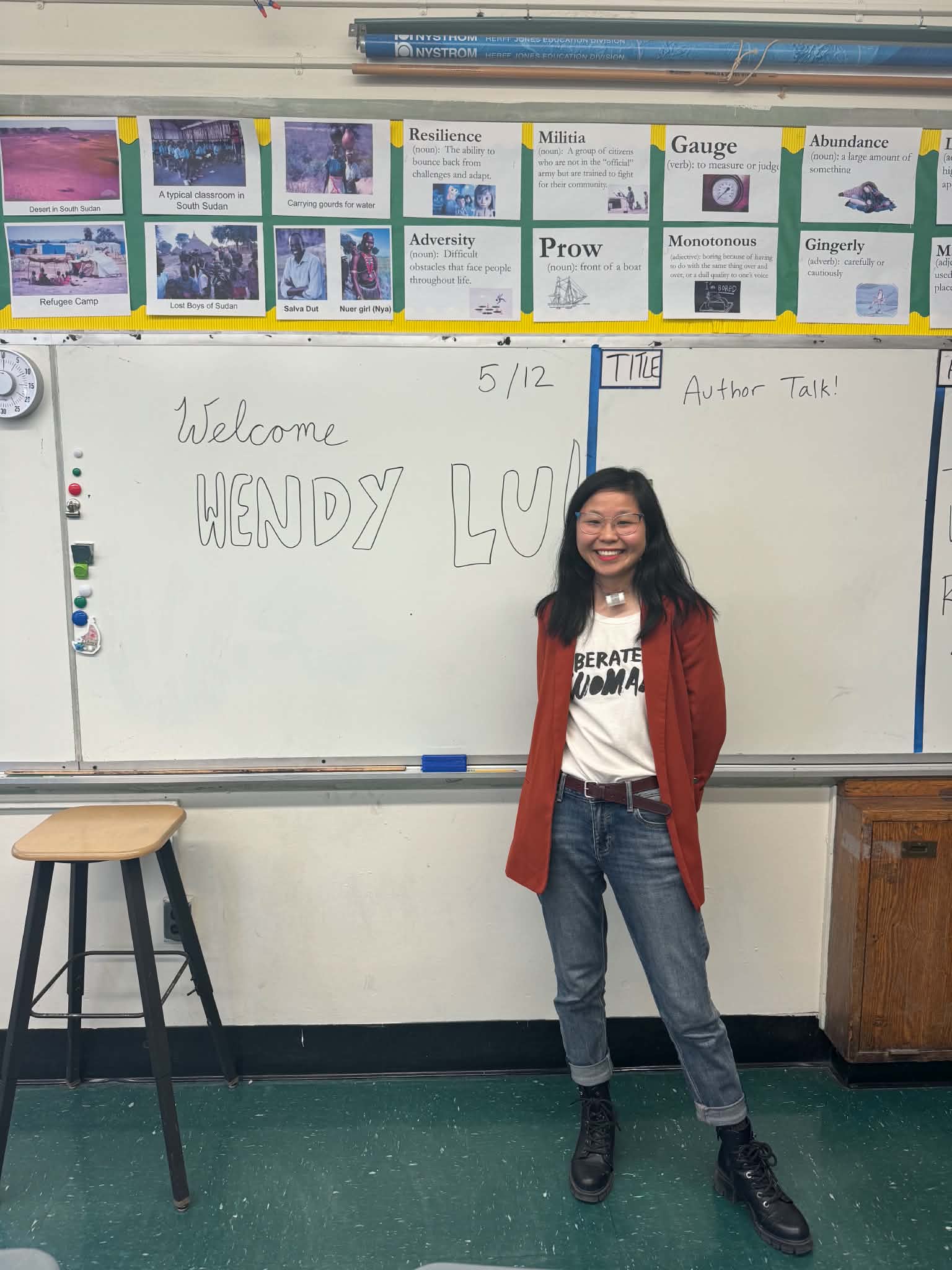 I spend a lot of time mentoring younger, newer journalists and creative writers, mainly of them disabled or people of color. I care a lot about supporting others, and it’s easier for me to help someone else feel more confident instead of myself. But for years, I’ve received messages from people who have read my work and say that I’ve helped them learn something, or they feel less alone, or they’ve decided to pursue their dreams because of what I’ve accomplished. It’s hard to believe I’ve had that kind of impact, but it has made me realize the importance of celebrating who I am. Other people see me as an example. So I feel like when I have confidence and I support myself, then other Chinese disabled people will feel empowered to do the same for themselves. And then we can all feel a greater sense of belonging in society.
Q3. How do you balance cultural authenticity while making your work accessible to others who may not be familiar with your cultural traditions?
In the world of children’s literature, we often say that books can serve as mirrors and windows. In my novel, “Casting April,” the main character is a second-generation Chinese American like me. Her family has assimilated into American culture, but they still incorporate Chinese culture and traditions into their everyday lives. They speak Mandarin, celebrate Mid-Autumn Festival, and eat popular Chinese foods like zòngzi. My hope is that other Chinese kids are able to recognize their culture and see themselves in my book (using it as a “mirror”), and that non-Chinese kids can learn about a culture that may be different from their own (using the book as a “window”).
I try to write scenes in a way that’s subtle but still clear, so that readers who share my identity can recognize what’s familiar to them, and so that other readers don’t get lost in anything that’s new. For instance, I mention that my character eats zòngzi, a term that Chinese people know intimately, but I still describe what it’s made out of (sticky rice and salted pork wrapped in bamboo leaves) for those who don’t know the term.
On a similar note: The book is written in English but I also decided to include Mandarin words in pinyin. I don’t provide direct definitions but there are context clues that help readers understand what those words mean, which means it stays both authentic and accessible. I’ve had a few readers tell me that they loved that I included pinyin in the novel!
Q4. Yes, I see many members using “Dim Sum” nowadays to describe that special Chinese cuisine — people can so easily immerse themselves in this kind of cultural exchange. I see your bicultural/bilingual background really expands your reach, as well as your readers’ understanding. And you’ve accomplished so much in becoming a cultural bearer — what were some of the pivotal challenges you faced?
A lot of the challenges that I’ve faced are similar to the ones that my main character, April, has dealt with in her life. People often underestimated me and didn’t think that I would get very far in life just because I had a disability. I feel like I’ve had to work twice as hard to show that I’m capable of more than people give me credit for.
Early in my journalism career, I was often the only disabled Asian woman in the newsroom. When I initially started to speak up and provide guidance about how to cover disability issues well, there was some doubt and reluctance. I was a newcomer, after all, and there’s this idea that you have to pay your dues and earn trust within the field before you can start effecting change. It’s especially challenging to speak up as an Asian because we’re often taught to “not make trouble.” But within a couple years, I was giving trainings on disability reporting, carving out the disability beat, and speaking to newsrooms around the country about disability coverage. I’m proud of getting to that point, but the beginning was a little tough.
I always like to say, develop your support network and find the people who are passionate about the same things you are. It makes the journey less lonely, and you can be there for one another over time. And don’t give up or give in to all the misconceptions that people might have about you. You know yourself best!
Q5. Love your statement “I’m proud to be disabled.” Reflecting on that journey, what impacts do you hope to have on the next generation?
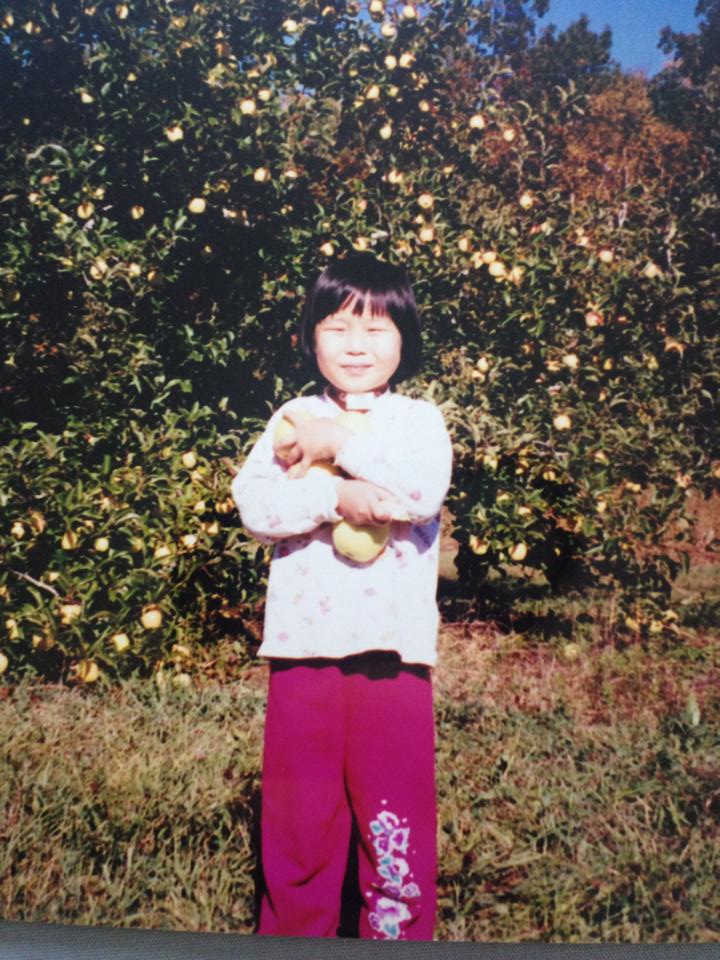 It can be odd for people to hear me say that I’m proud to be disabled. Living with a disability comes with a lot of challenges, but there are also many joys. I wouldn’t be the same person without all of my experiences, both as a disabled person and as a Chinese American woman. I hope that my reporting and my fiction can help even just one person feel less alone and more confident in their own journeys with disability and bicultural identity. In particular, I hope young people who read “Casting April” feel empowered to go after their own dreams.
Q6. Any final words for our readers?
Thank you so much for sharing my story!