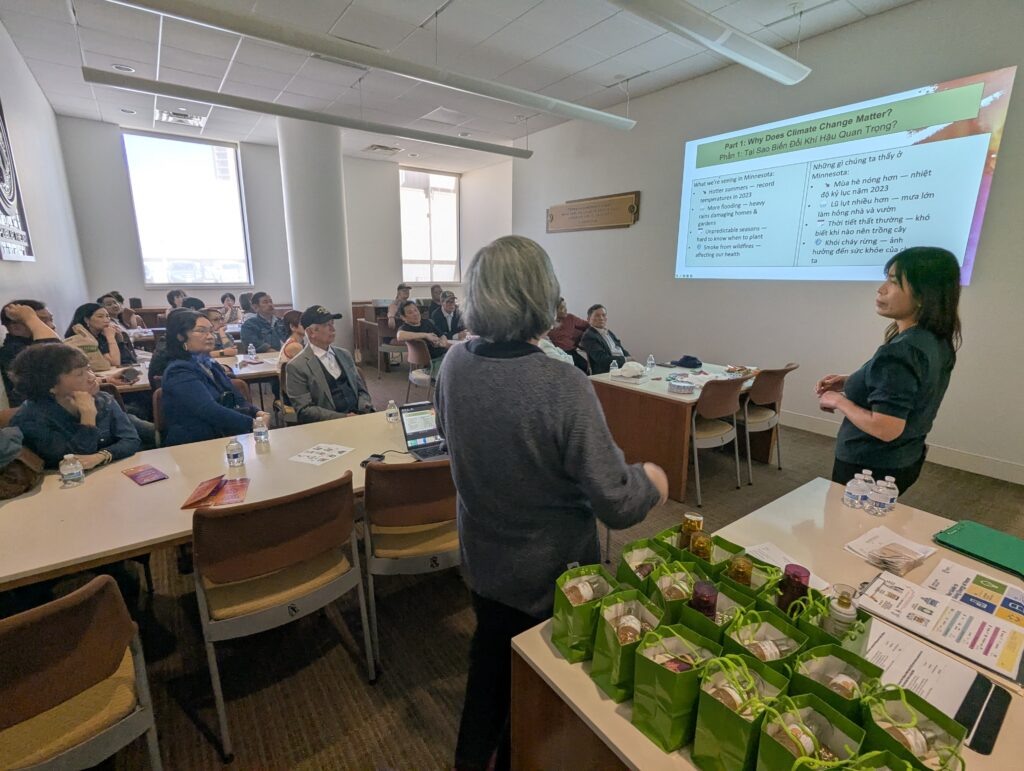
The Community Green Pledge invited community members to identify the environmental actions that matter most to them.
Participants were asked to select only their top three priority actions. Therefore, the results reflect the sustainability practices that residents consider their highest priorities.
 A total of 32 community members completed the pledge. The highest community priorities included: bringing a cloth bag when shopping, replacing household lightbulbs with LED bulbs, and sharing sustainability information with family. These highest-ranked priorities revealed that many participants value practical, everyday actions that reduce waste, conserve resources, and strengthen family and community connections.
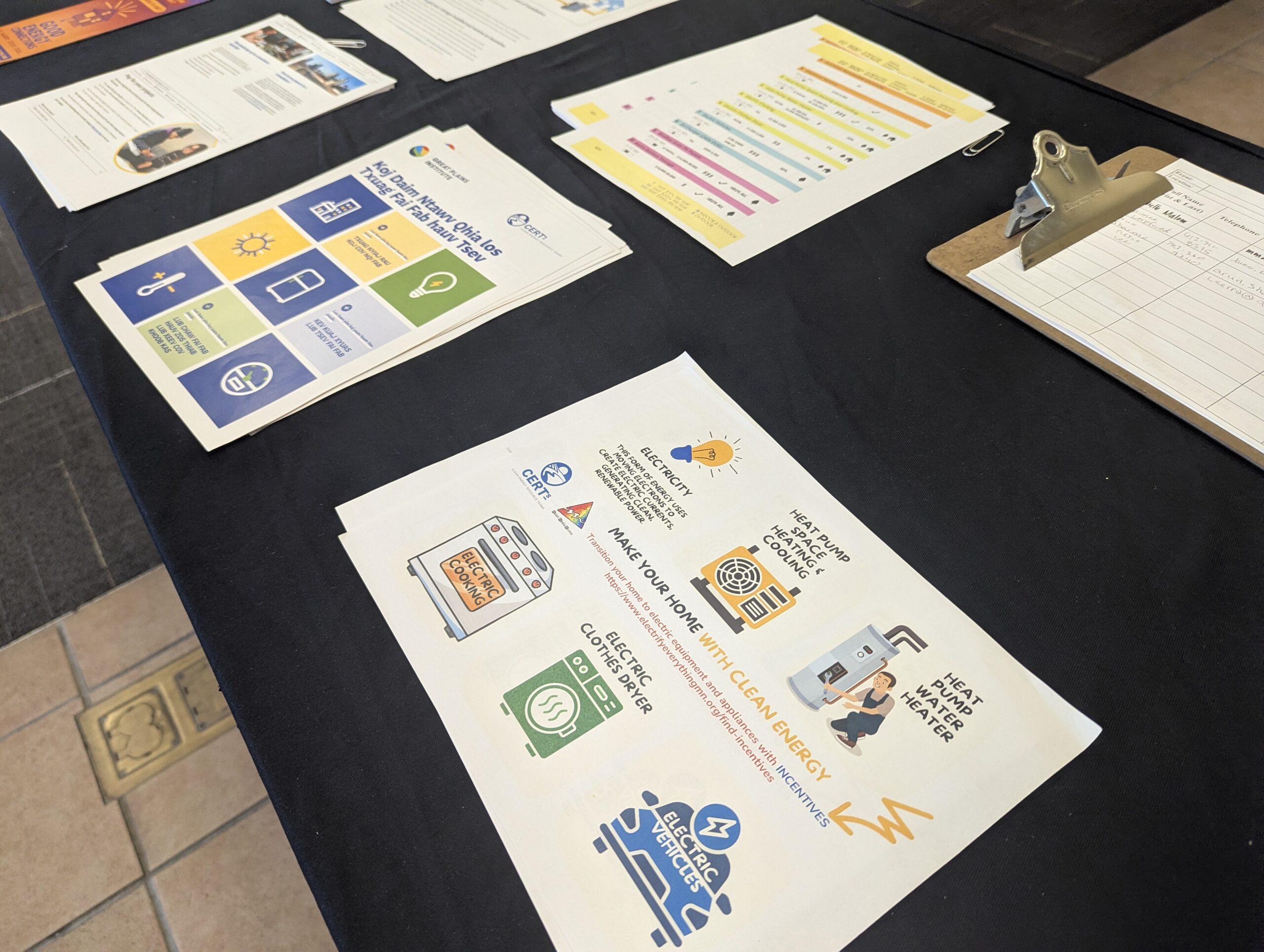
Many of these efforts are small changes that can make a huge difference. Participants learned about conserving resources by unplugging unused electronics, composting kitchen scraps, and line-drying clothes instead of using a dryer.
 Additionally, many of these practices are also deeply rooted in cultural traditions that have long promoted resourcefulness and environmental stewardship. Cultural traditions that influence sustainability include growing traditional vegetables. Home gardening not only supports healthier eating and lower food costs but also preserves cultural food traditions and strengthens connections between generations. Participants learned about the connection between environmental action and cultural heritage.
Survey results also identified the types of resources residents would find most helpful as they continue their sustainability journey. Strong interest in rebates, workshops, and garden programs indicates that residents are eager to expand their knowledge and continue adopting sustainable practices when resources are available.
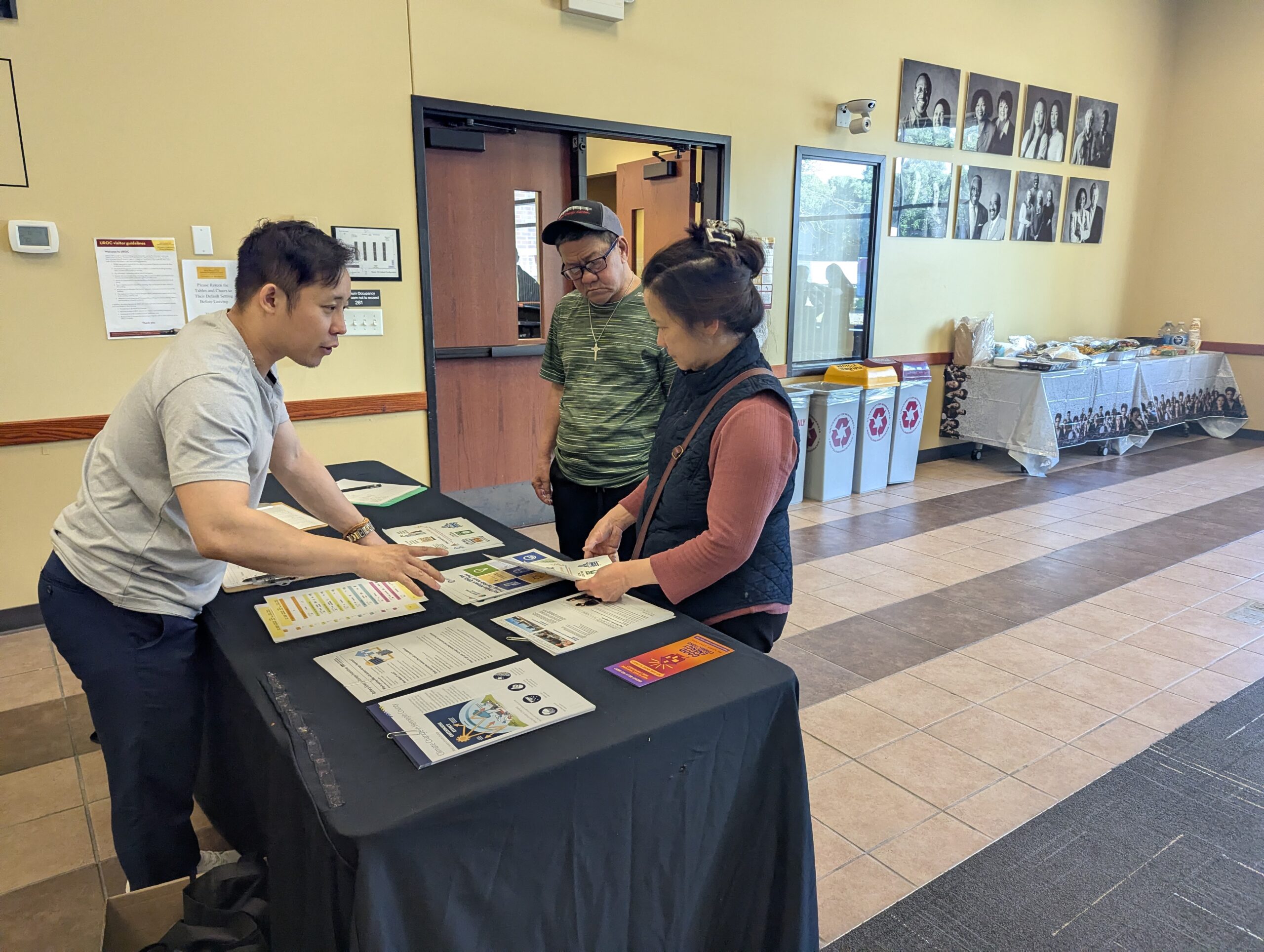 Interest in rebates and incentives suggests that financial assistance can help remove barriers to adopting energy-efficient technologies. At the same time, the demand for workshops and gardening programs demonstrates a strong desire for practical, community-based learning opportunities.
Overall, the Community Green Pledge demonstrates that residents are already building on a strong foundation of environmental responsibility through many practices valued across generations.
The community’s top priorities, including bringing reusable cloth bags when shopping, growing traditional vegetables, conserving household energy, and sharing information with family, reflect both practical environmental solutions and cultural traditions that emphasize resourcefulness, waste reduction, and care for future generations.
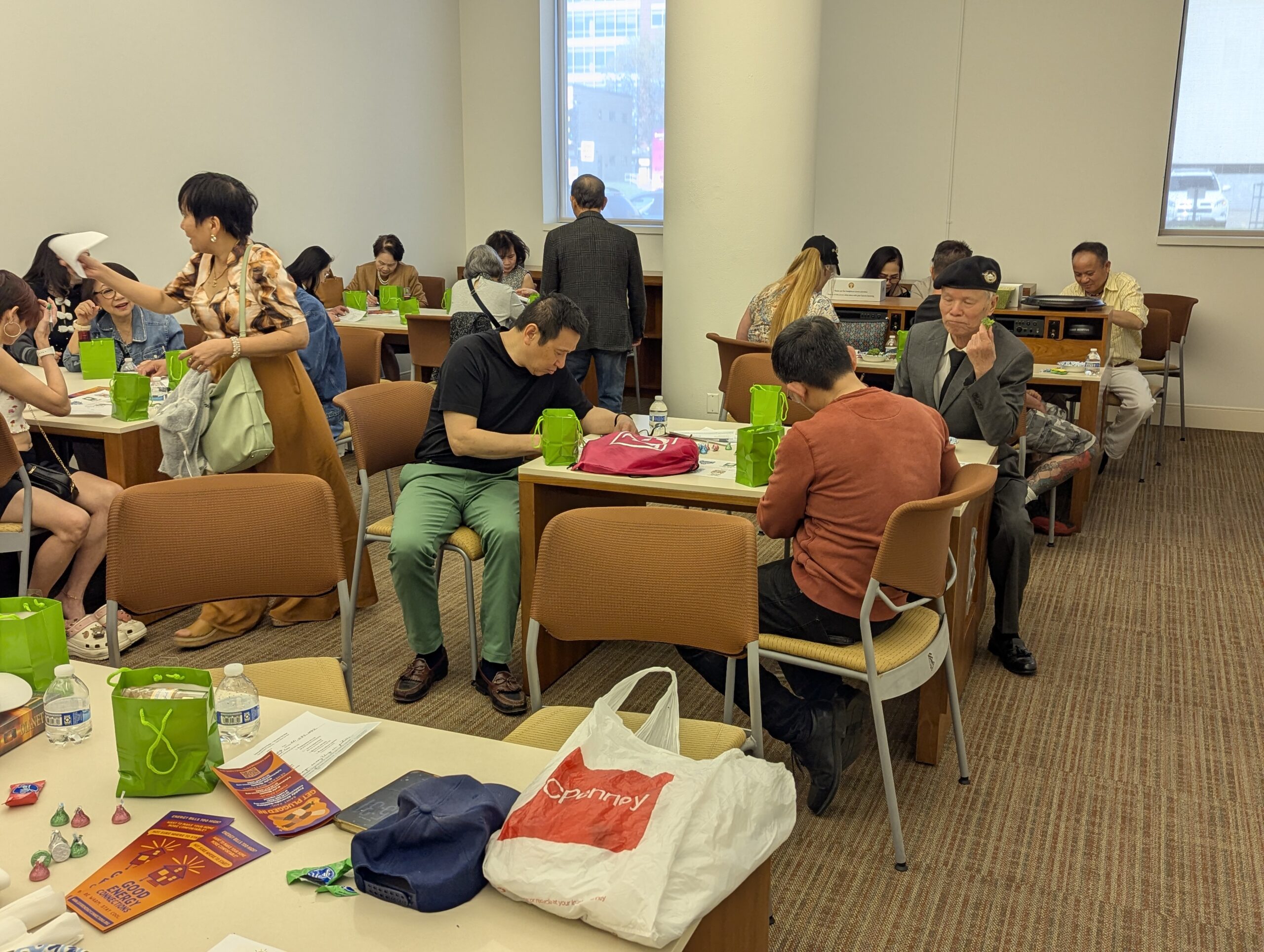 The findings also show a clear interest in continued education and support, particularly through rebates, community workshops, and gardening programs. By recognizing and building upon these existing cultural strengths, future sustainability initiatives can become more meaningful, accessible, and effective for the communities they serve.