What 22 Young People Told Us About Identity, Risk, Safety, and What Really Helps
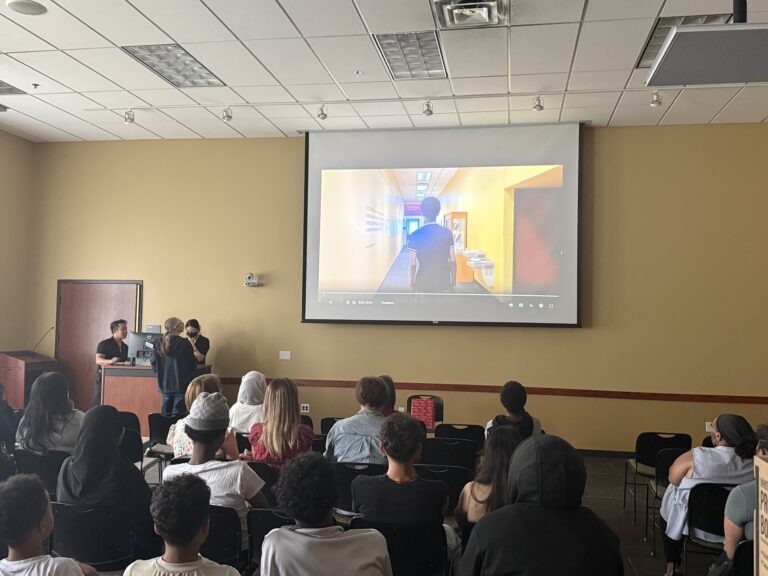
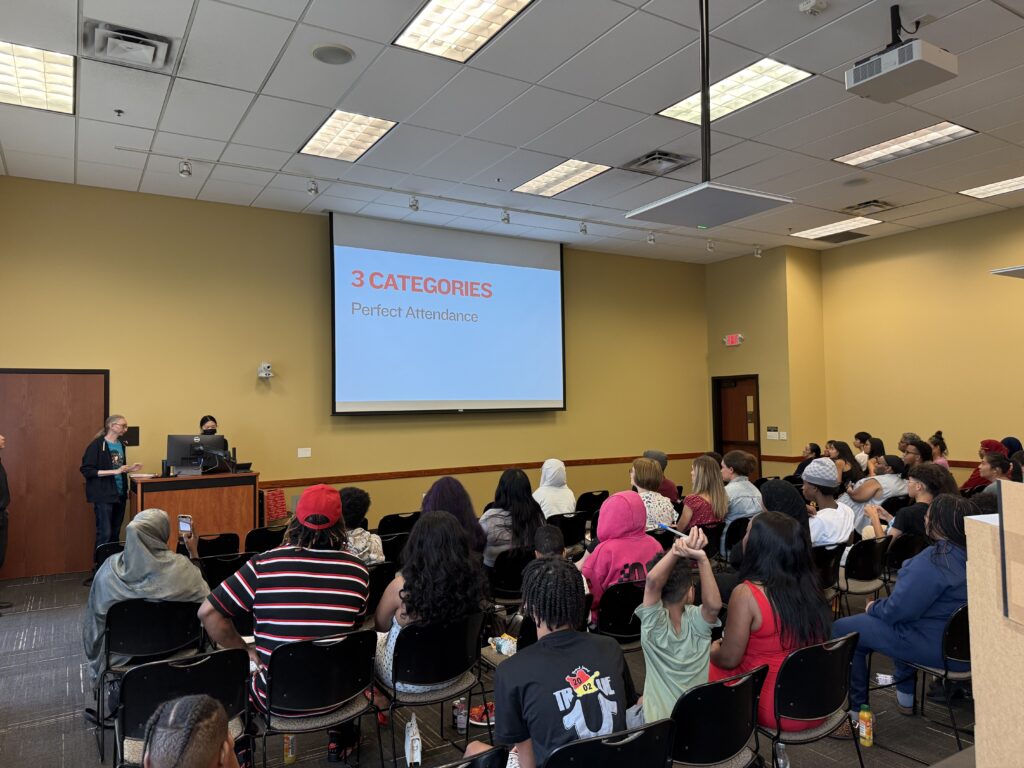
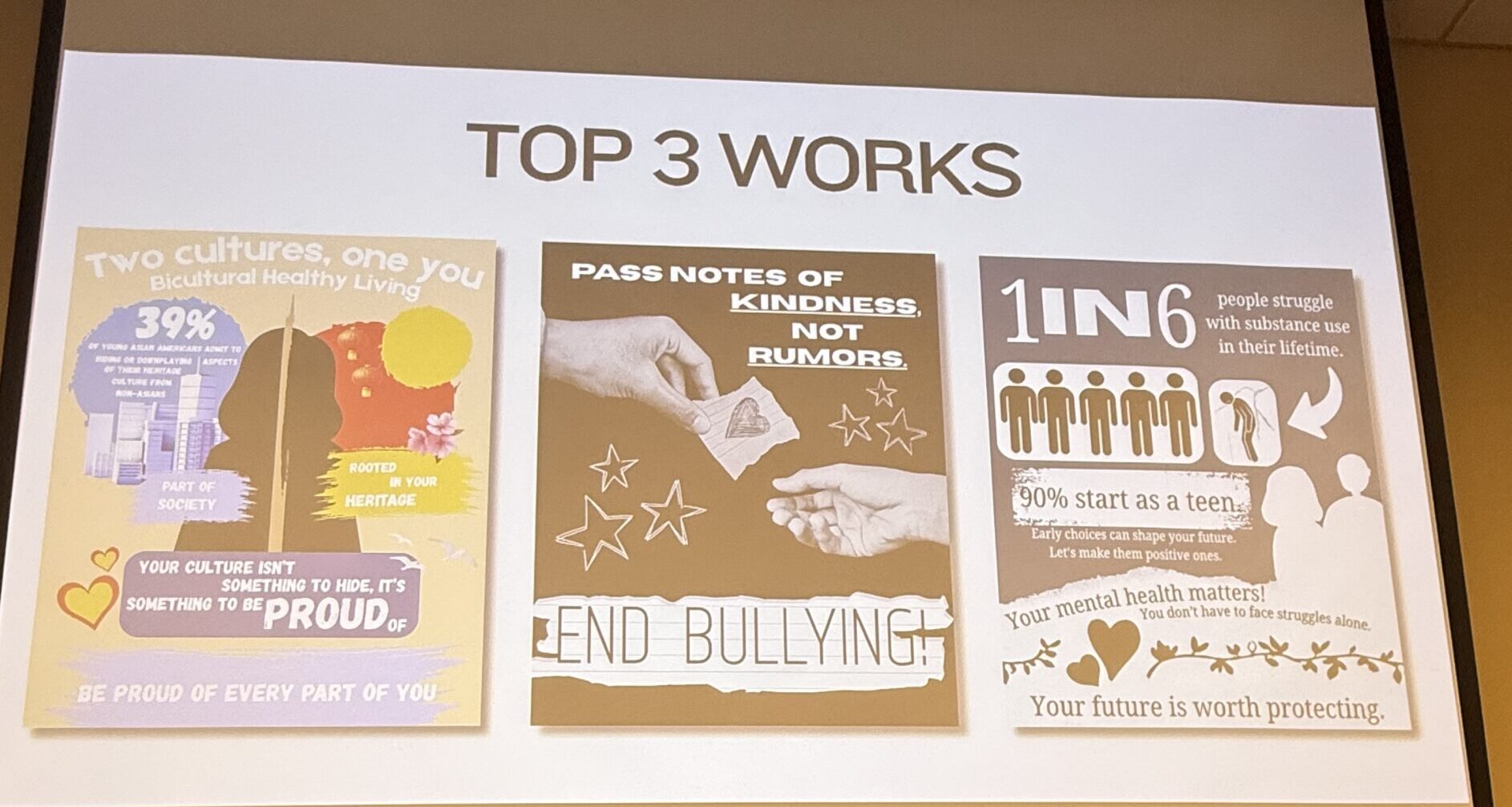 Asian Media Access (AMA) recently concluded another impactful season of the Step Up Internship program. The Step Up Program prepares youth for future career success, advances workforce equity, and equips young people for long-term success through hands-on experience and intentional mentorship. Within this framework, and in partnership with Sankofa Power, AMA equips interns with technical skills, professional development, and communication training. As part of their internship, participants create media projects that raise awareness and deepen their community understanding of the real-world challenges they face. AMA and Sankofa Power conducted interviews with the 22 Interns, covering nine core topics ranging from identity, mental health, and home life to safety, sexual health, and future goals. The purpose of these interviews is to help understand patterns in the youth’s behaviors regarding identity, risk, and safety, as well as the impacts the program had on them. The findings illuminate both the systemic pressures facing today’s youth and the transformative power of community-centered support.
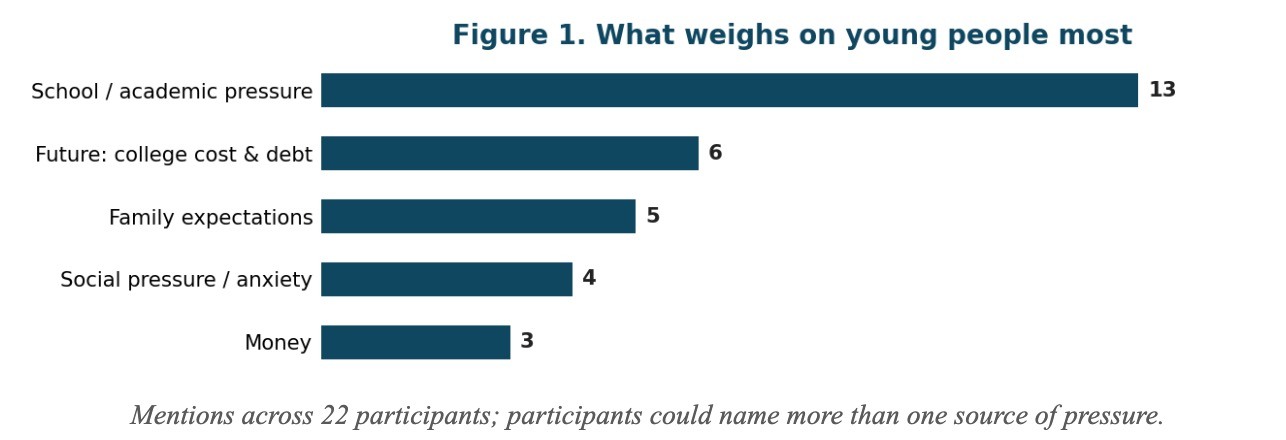 Across interviews, several main findings stood out. What we heard was that school and the future put major pressure on youth. School and academic behaviors weighed most heavily on students, with limited support in mental health. The pressure of academic performance, such as grades and tests, can cause students to lose motivation or struggle quietly, all while fearing future outcomes. Similarly, college costs, family expectations, and social pressure contributed to academic pressure on students. There is uncertainty about what to do in the future and whether there are good options for young people who do not want to go to college. AMA encouraged the idea that college is not always the answer to success and that there are multiple pathways to success. Many professionals did not have linear paths, and learning skills are part of the journey. The program helps interns realize that learning new skills enhances their experience and broadens their exposure to opportunities.
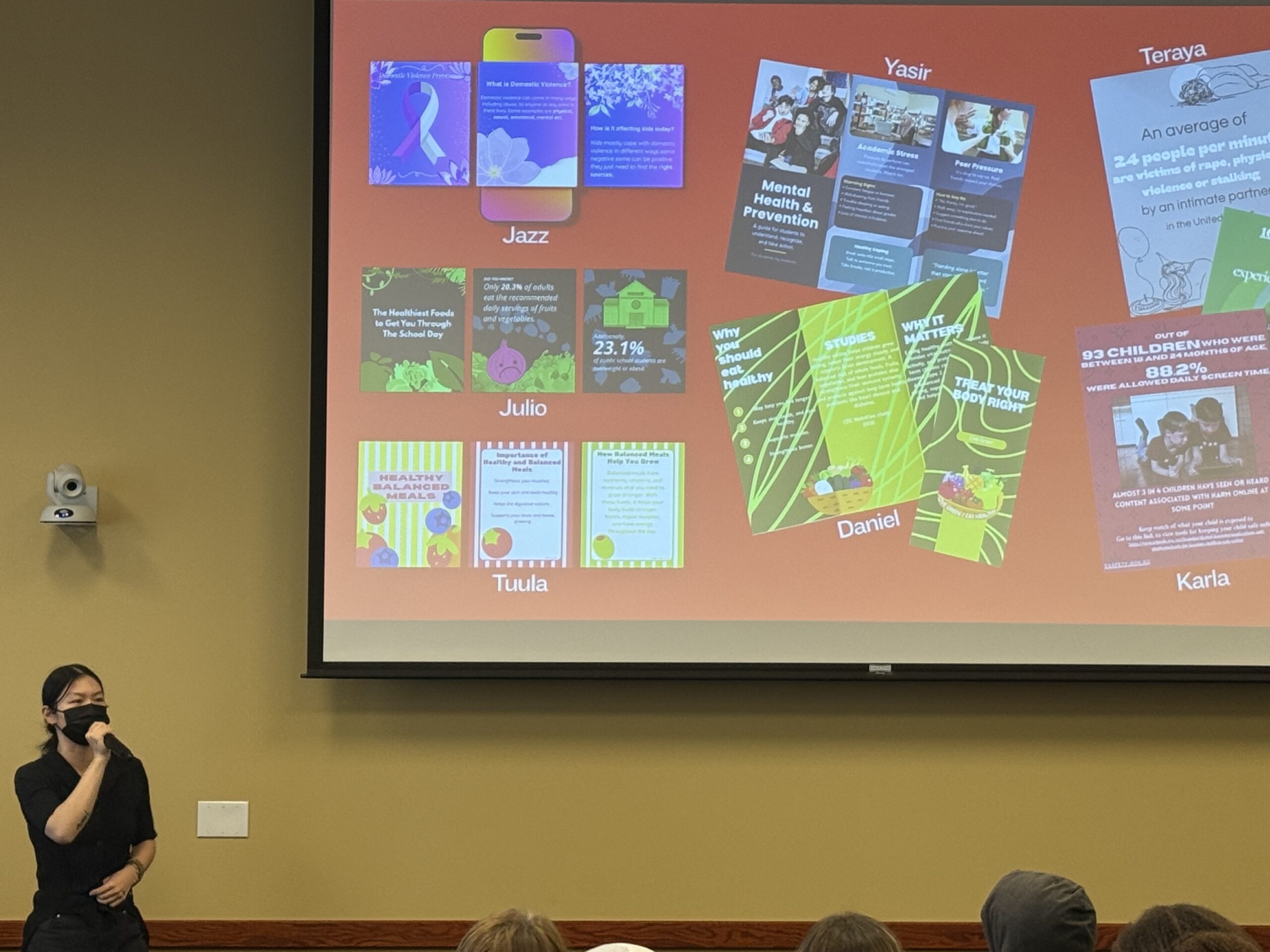 Another key finding of pressure weighing on youth was that being heard matters more than being lectured. Punishment, scare tactics, confiscation, bag checks, or adults taking over decisions were often described as less useful than conversation, guidance, and early support. AMA found that youth believe support is more effective when they feel heard. What really helps support youth navigating the weight on their shoulders is identifying the types of support they have and how family members and friends can be a source of relief from the pressure.
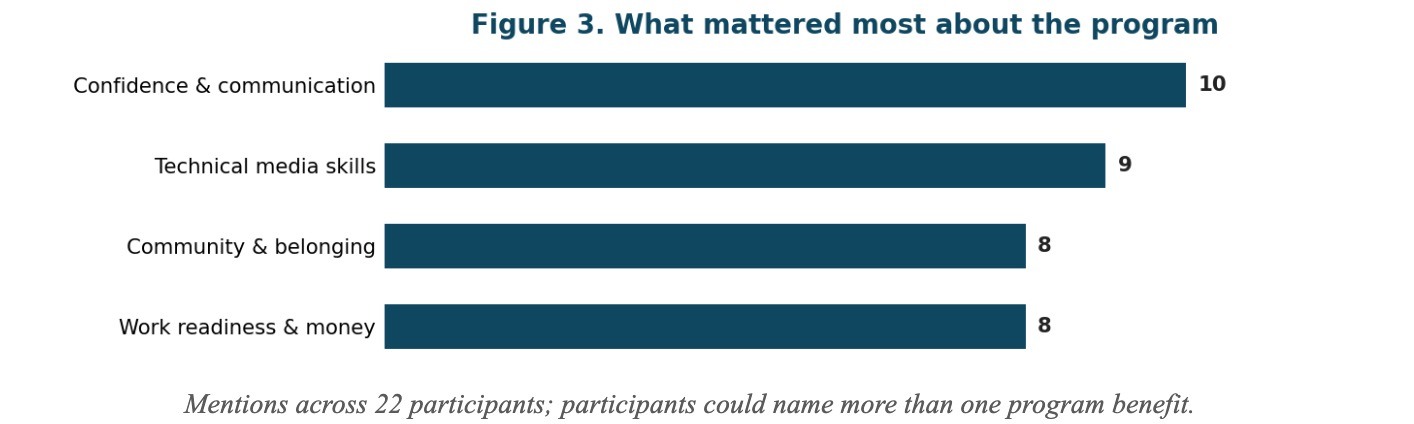
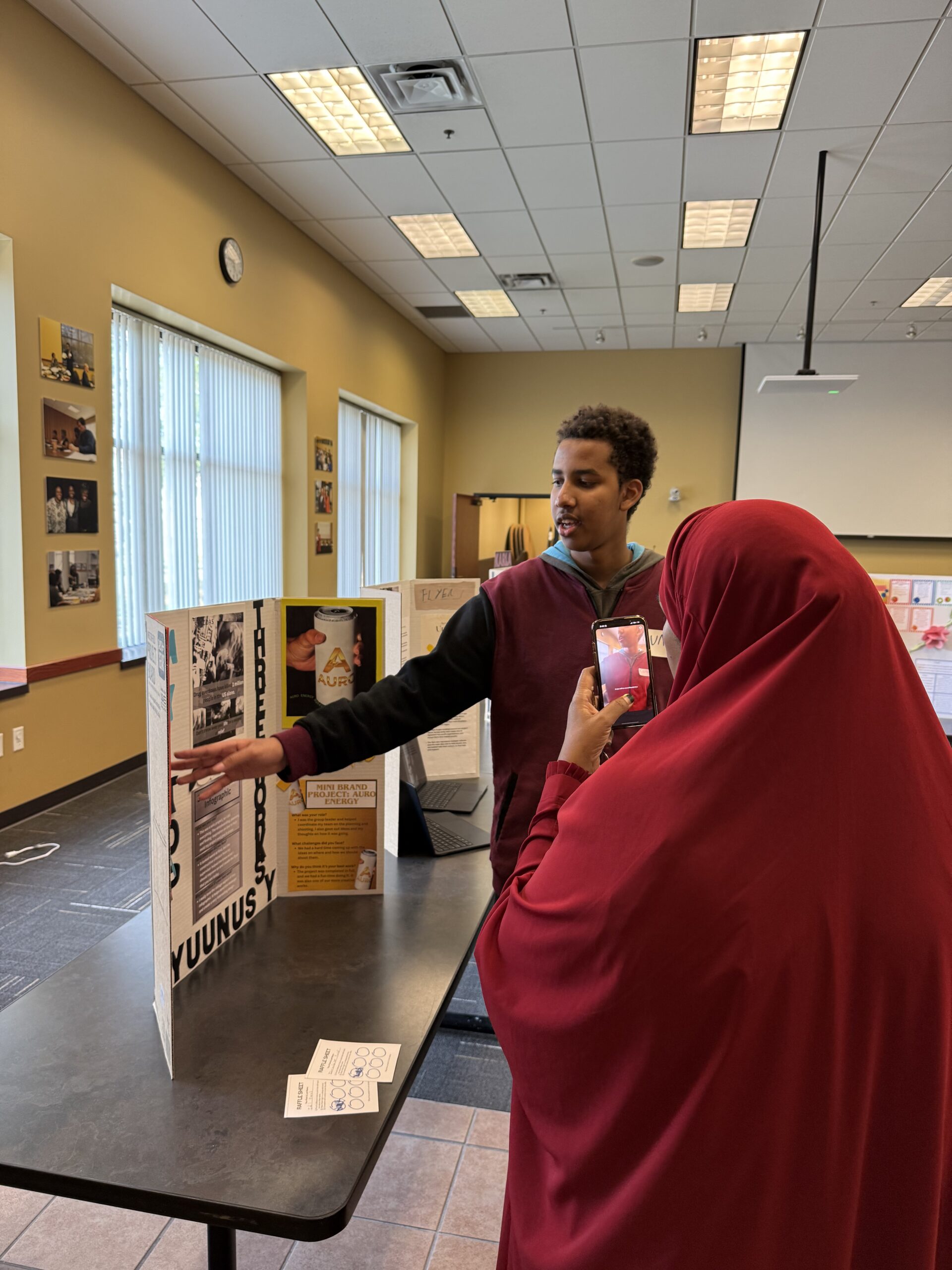 Additionally, youth who participated in the AMA Step Up Program over the long term gained greater confidence throughout the program. Interns described learning public speaking skills, presenting more comfortably, and networking with their coworkers. Building trusting relationships supported their sense of belonging and their view of the value of connection. One participant said seeing people willingly spend their time helping others changed the way he thought about people in general and reminded him that there are people who genuinely want to help. Across topics, youth preferred someone who listens, checks in, and includes them in decision-making. Trusted adults, mentors, family members, and slightly older peers all came up as useful support.
Lastly, the youth also discussed the practical skills they gained and how the program prepared them for work. Throughout the program, Interns learned work readiness skills such as financial literacy, resume and cover letter coaching, and future planning. Interns felt they gained real skills that helped them professionally, personally, and academically. Media project training had immediate crossover benefits, with skills like scriptwriting directly strengthening academic essays. One participant said script writing improved his essays. Another planned to use the internship experience in a college application. Others talked about learning how taxes affect a paycheck and how to save money from their first job instead of spending it right away.
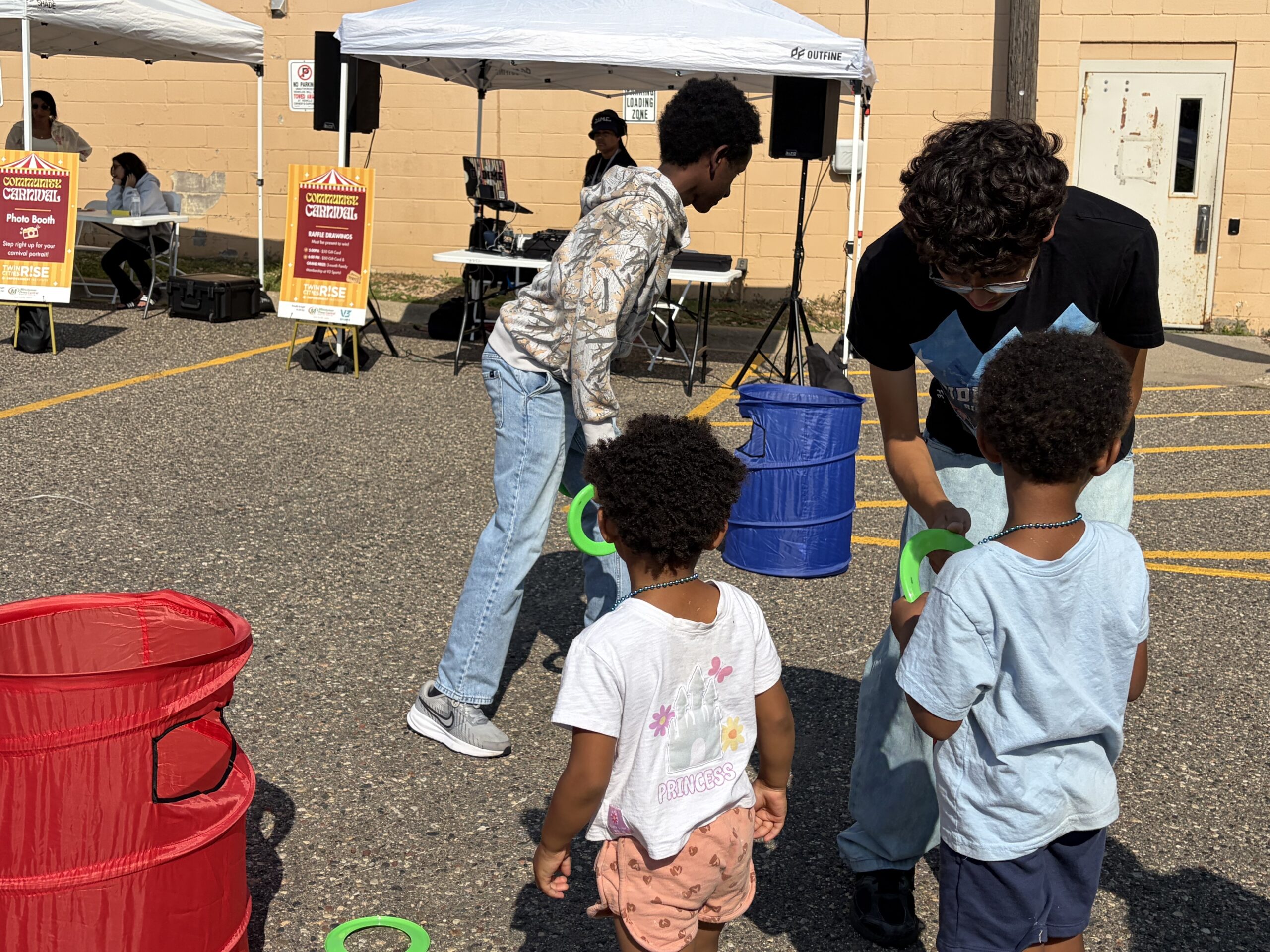 The AMA Step Up Program demonstrates that when young people are met with authentic listening, practical tools, and meaningful mentorship, they do far more than prepare for the workforce; the program builds confidence and a sense of belonging and helps them recognize that their voices matter. By replacing pressure with opportunity and control with connection, Asian Media Access continues to cultivate resilient, confident leaders ready to shape a more equitable future.