In the heart of St. Paul’s downtown, Asian Media Access (AMA) and the Multi-Cultural Community Alliance (MCCA) are laying the groundwork for a transformative vision: the Center for Wellness Technology. This ambitious initiative is more than a building; it is a dynamic hub designed to dismantle systemic inequities by seamlessly integrating work, education, and health monitoring into a single, culturally grounded ecosystem.

The Center is a direct response to the post-COVID challenges that have disproportionately impacted BIPOC communities, from health disparities and unemployment to barriers in education. As the world pivots to recovery, AMA’s project aims to build lasting infrastructure. By modernizing a capital asset to provide high-quality, affordable broadband and access to vital services, the Center ensures that the communities most affected by the pandemic are not left behind in the new digital and health-conscious economy.
At its core, the Center for Wellness Technology embraces a holistic definition of wellness – a $4.5 trillion global market that is increasingly central to modern life. However, unlike commercial wellness ventures, this initiative prioritizes equity. It will blend cutting-edge therapeutic modalities with traditional healing practices, creating an inclusive culture where ancient wisdoms and modern technologies coexist. The goal is to bridge gaps in health, education, and economic opportunity for underserved residents, offering pathways from immediate healing to long-term self-sufficiency.
The vision for the space is built around three interconnected pillars:
1) Healthcare Monitoring and Healing Services
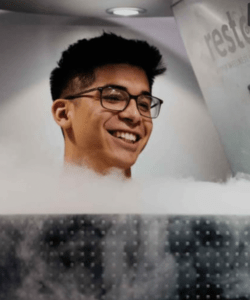
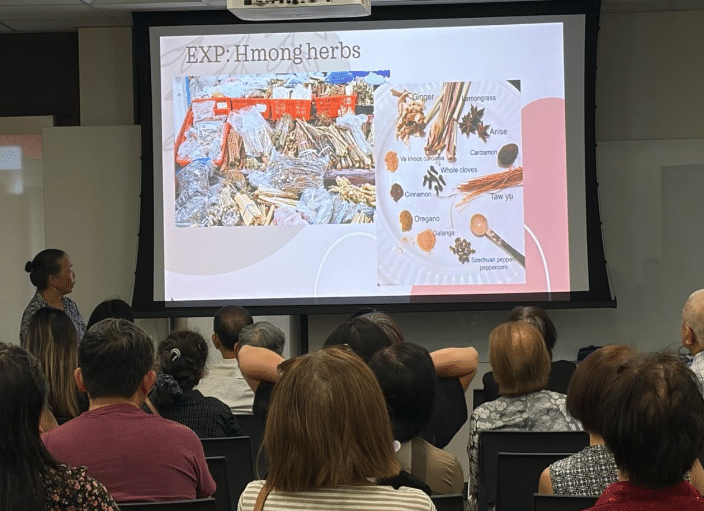
The Center will house a Neighborhood Healthy Living Hub, a space intentionally designed to feel removed from the sterility of a traditional hospital. Here, residents can access culturally relevant health practices alongside modern wellness technology. Services will include traditional healing and herbal medicine, alongside advanced modalities such as Cryotherapy to reduce inflammation and boost energy, Photobiomodulation Therapy (PBM) for cellular recovery, and Extracorporeal Shock Wave Therapy (ESWT) for non-invasive pain management. These services prioritize natural, therapeutic methods over surgical procedures or medications, focusing on balance, recovery, and harmony.

2) Education and Workforce Development
Recognizing that economic stability is a cornerstone of health, the Center will function as an incubator and training ground. It will offer career pathways for BIPOC community members in two key sectors:
a. Cultural Healing and Wellness Coaching: Training individuals to become certified practitioners, acupuncturists, or sports coaches.
b. IT, Multimedia, and Virtual Reality: Preparing residents for emerging fields in AI, AR, and VR, with a specific focus on applying these technologies to the wellness industry.
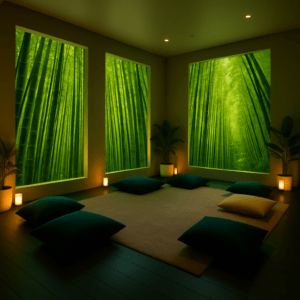
By integrating these advanced technologies, the Center aims to revolutionize how care is delivered. For instance, AI can offer personalized health recommendations, AR can overlay guided meditation onto a user’s real-world environment, and VR can provide immersive stress relief or pain management through calming virtual retreats.
3) Community Impact and Revitalization

The perceived impact of this space extends far beyond its walls. The Center will serve as a dynamic HUB where cultural exchange thrives and economic growth is stimulated by incubating local entrepreneurs—such as acupuncturists or wellness coaches—within a supportive ecosystem.

For residents, the impact is deeply personal. A neighbor managing a chronic disease might find complementary herbal medicine to support their treatment plan. A youth could take courses to become a certified sports coach, opening a new career path. An office worker could use AI-powered wellness platforms to generate a customized fitness routine, while a techie might step into the VR room for guided meditation in a calming virtual forest, reducing stress and promoting emotional well-being.
By addressing cultural and systemic barriers in a welcoming, state-of-the-art facility, the Center for Wellness Technology will foster equity and resilience. It aims to reduce disparities in health, education, and employment while revitalizing the local economy and strengthening community connectedness. For the St. Paul downtown neighborhoods, this initiative promises a ripple effect of positive change—building not just a building, but a sustainable infrastructure for healing, prosperity, and collective well-being.