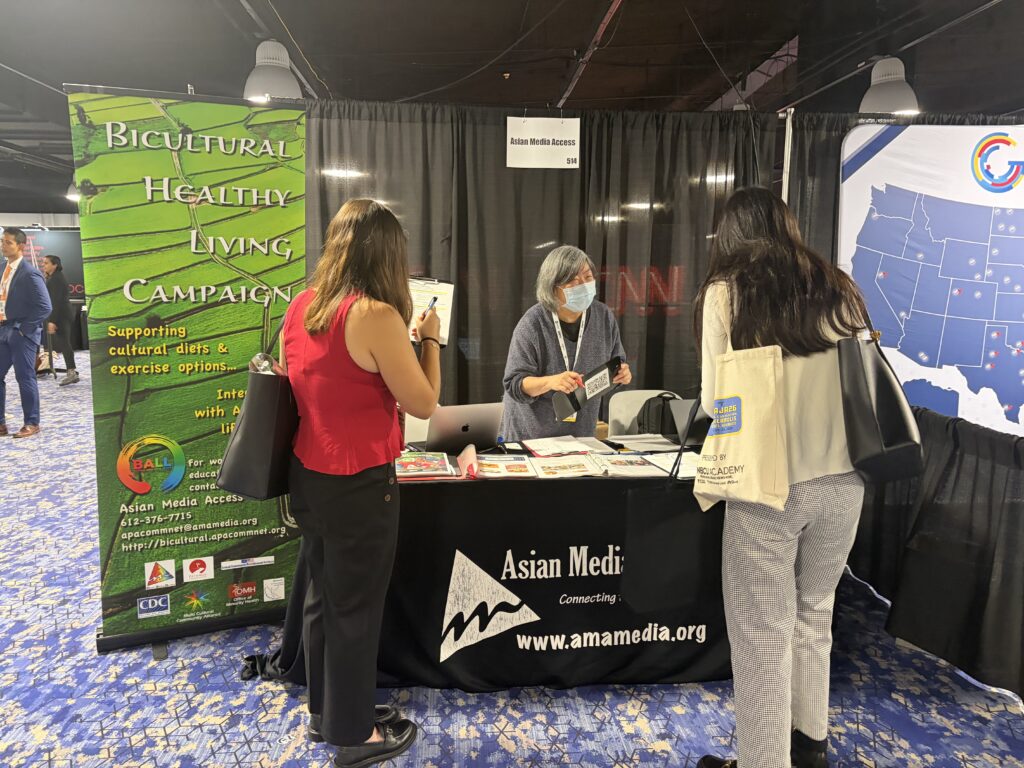
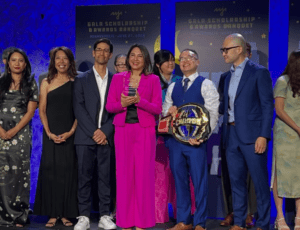
 Asian Media Access joined the 2026 AAJA Convention to celebrate its 45 years of achievements among Asian American and Pacific Islander (AAPI) journalism in America. For five days this June, Minneapolis became the center of the Asian American Journalists Association’s 2026 National Convention — #AAJA26 — drawing thousands of journalists, media professionals, students, and storytellers to the Hyatt Regency Minneapolis from June 24 through 28, filling Nicollet Mall with a gathering that felt, to many in Minnesota’s AAPI community, like something long overdue: a national recognition that this city, with its extraordinary diversity of Asian and Pacific Islander communities, with many stories worth telling.
The Highlights: NBCU Academy and the Future of the Newsroom

The NBCU Academy was one of the convention’s most substantive programming tracks. For emerging and mid-career AAPI journalists, the NBCU sessions offered something rare – practical training delivered by people who look like them and have navigated the same rooms.
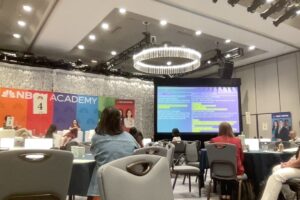 The day opened with NBC News Business and Data Correspondent Brian Cheung leading a plenary on Leadership, Legacy and the Future of Journalism in the Age of AI — a candid conversation with NBCU News Group leaders about how newsrooms are changing, what AI means for reporters, and how journalists can use the complexity of this moment as an asset rather than a threat. Following that session, NBCU offered hands-on workshops, including a vertical video workshop, a fast-paced Career Accelerator briefing, and the Script Doctor session. One of the day’s most resonant sessions was NBC100: A Century Forward – AAPI First Responders Take the Lead, a conversation anchored by actors Hanako Greensmith of Chicago Fire and Kahyun Kim of St. Denis Medical. The panel examined how television’s portrayal of AAPIs has shifted – from symbolic figures to complex characters with humor and depth – and how AAPI communities see themselves more realistically portrayed in mainstream media.
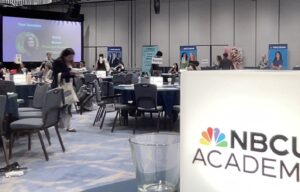 For those building careers, the NBCU Academy’s roster of speakers and mentors was itself a resource. The talent assembled for the week – from Angela Yang, News Reporter; Cecilia Fang, TODAY Show Senior Producer; Joy Wang, News Digital Senior Editorial Director; to Craig Robinson, News EVP and Chief Inclusion Officer – represented a living map of where AAPI journalists have arrived in American media, and where the path continues.
The Exhibit Hall: A Community in Its Own Right
 Among more than 90 workshops, the AAJA26 Exhibit Hall, open throughout the convention, offered something beyond career resources and employer booths: it functioned as a gathering place. For many AAPI journalists working in markets across the country – many of whom spend their careers as the only Asian face in their newsroom – the hall offered a rare experience of being, simply, the majority in a room.
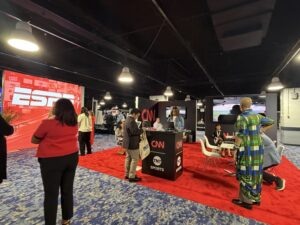
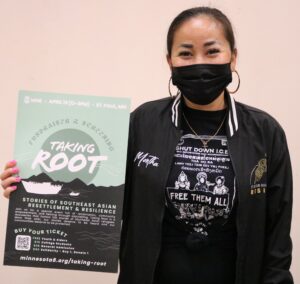
 Conversations spilled across major news outlet booths – CNN, ESPN, and others — alongside an Asia Market and a Local Feature section (including Asian Media Access, which tabled there). For Minnesota’s AAPI community organizations, the Exhibit Hall presence of national media partners carried practical significance. The journalists who walked those aisles cover immigration, health equity, workforce policy, and community development — the very issues that organizations like Asian Media Access, the Coalition of Asian American Leaders (CAAL), and dozens of Twin Cities nonprofits work on every day. The convention’s arrival in Minneapolis was an invitation for those connections to form.
Community Meets the Journalists
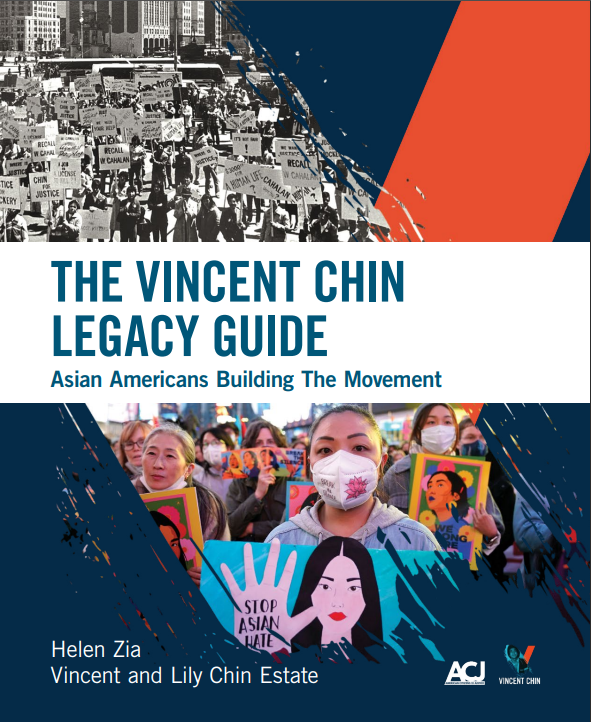
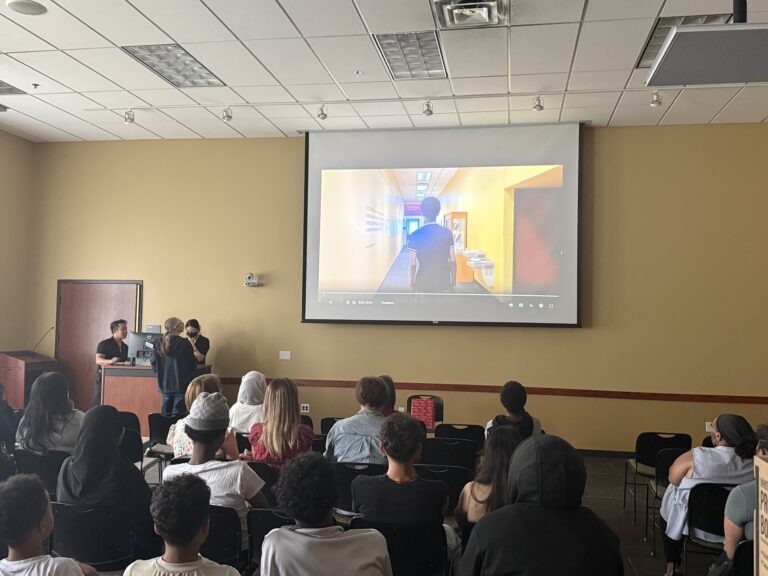
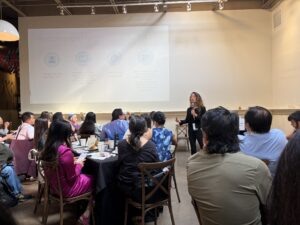 But the most significant moment of the week may not have happened inside the Hyatt at all. On Saturday morning, June 27, something unusual took place at Diane’s Place, a beloved event space at 1401 Marshall Street NE in Northeast Minneapolis. Community nonprofit leaders and journalists – local reporters, national correspondents, and veterans of decades in newsrooms -sat down together over brunch and had an honest conversation. Not a panel. Not a press briefing. A conversation.
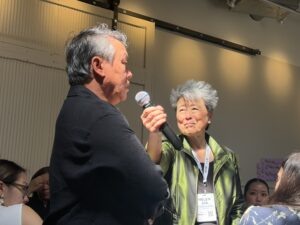
The response – from both sides of the table – was, by every measure, a sign of how much hunger exists for exactly this kind of exchange. Each table was deliberately mixed: journalists seated alongside community members, with the explicit goal of breaking down the invisible wall that too often separates those who tell stories from those whose stories get told.
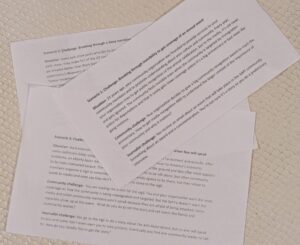 The program moved through four intentional phases: a brief survey debrief and program overview from sponsors; a strategic communications training on how community members can most effectively share their stories with reporters; a structured sharing session in which community members and journalists each named what they wished the other side understood; and a role-play simulation that put those insights into practice. The scenario was not abstract. Participants were asked to imagine a call from a reporter asking how their community had been affected by mass Anti-Asian Hate incidents — and to navigate the real tension between wanting the public to understand the impact and not wanting to put vulnerable people at greater risk.
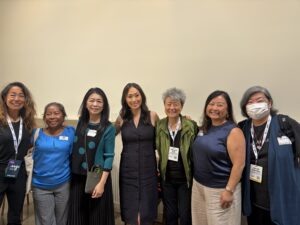
“Communities that are better equipped to tell their stories are stronger sources for journalists,” event host Helen Zia noted, “and reporters who strive to understand the communities they cover produce more insightful journalism.” That animating belief behind the morning made it one of the most memorable sessions of AAJA26.
What Minneapolis Offered — and What It Asked
Hosting AAJA26 in Minneapolis was not only a logistical choice. It was a statement. The Twin Cities are home to one of the most diverse AAPI populations in the country — Chinese, Filipino, Hmong, KaRen, Vietnamese, and many more – yet our stories have been chronically underreported by national media and inconsistently covered even locally.
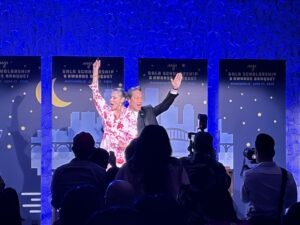 As AAJA26 closes its doors and attendees return to newsrooms across the country, many will carry these relationships forward – and the conversations that began at Diane’s Place and in the Hyatt hallways may yet become the sources, the stories, and the coverage that AAPI communities in Minnesota and across America have long deserved.