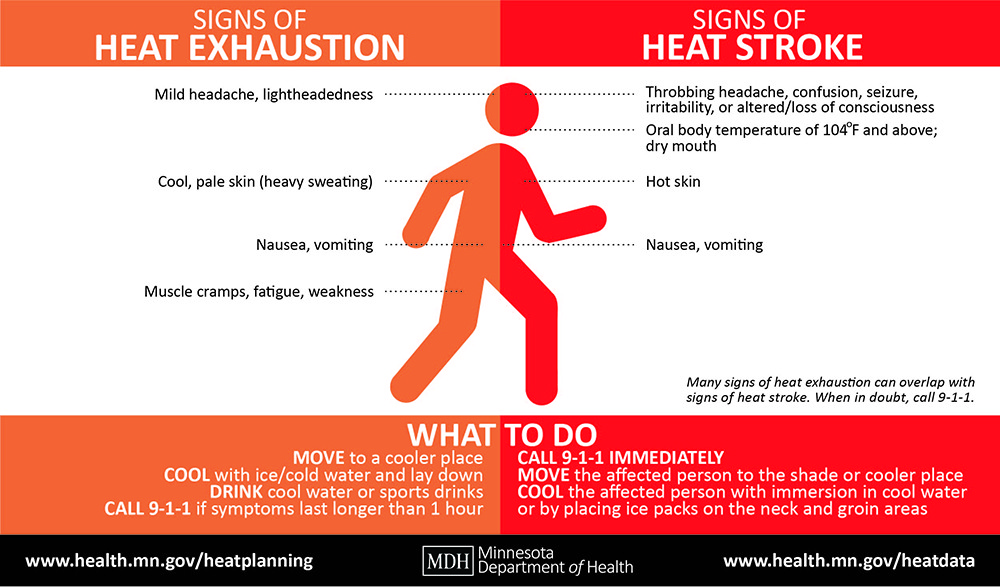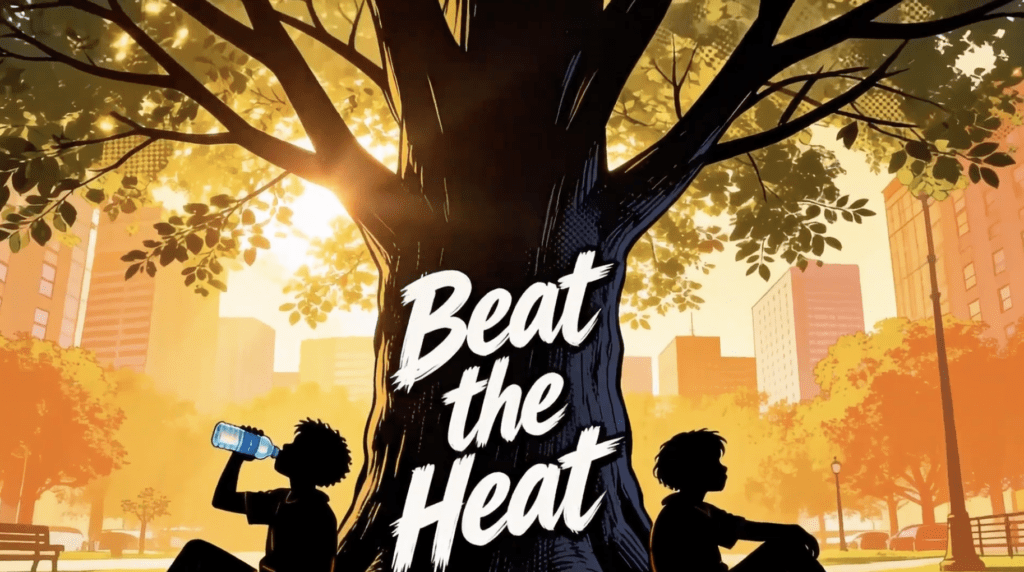
 Do you feel like Minnesota is experiencing more and more extreme heat days? You’re not alone. Rising summer temperatures and more frequent heat waves have become an increasing public health concern, particularly for older adults, young children, people with chronic health conditions, outdoor workers, and individuals without access to adequate cooling. Recognizing the need for culturally and linguistically accessible health education,
  Asian Media Access (AMA) partnered with Oromo Diaspora Media, the Islamic Civic Society of America, and Somali TV to launch the “Beat the Heat: Extreme Heat Safety Video Series,” helping communities understand how to prepare for and stay safe during periods of dangerous heat.
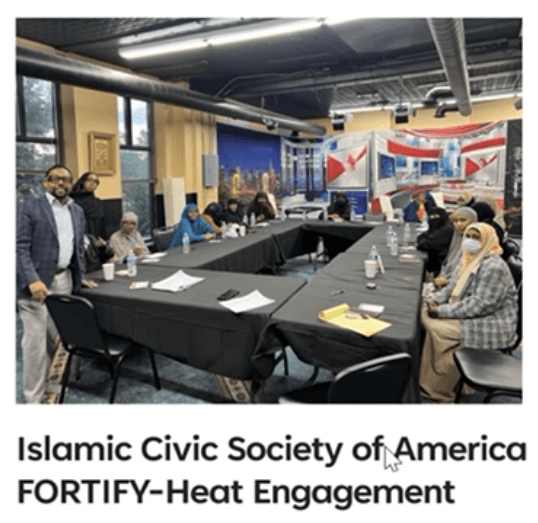 With guidance from extreme heat experts at Hennepin County, the project translated trusted public health guidance into engaging, community-centered educational videos that reflect the languages, cultures, and communication styles of Minnesota’s diverse communities. The series encourages residents to recognize the warning signs of heat-related illness, protect vulnerable family members and neighbors, stay hydrated, seek cooling spaces, and know when to seek emergency medical attention. The multilingual collaboration expands the campaign’s reach across Minnesota’s diverse communities. Oromo Diaspora Media produced an Oromo-language version, while the Islamic Civic Society of America, in partnership with Somali TV, developed a Somali-language version. Asian Media Access (AMA) produced additional videos in English, Spanish, and Hmong, https://www.youtube.com/watch?v=FRVdfr09xkc ensuring that more residents can access trusted safety information in the language they understand best.
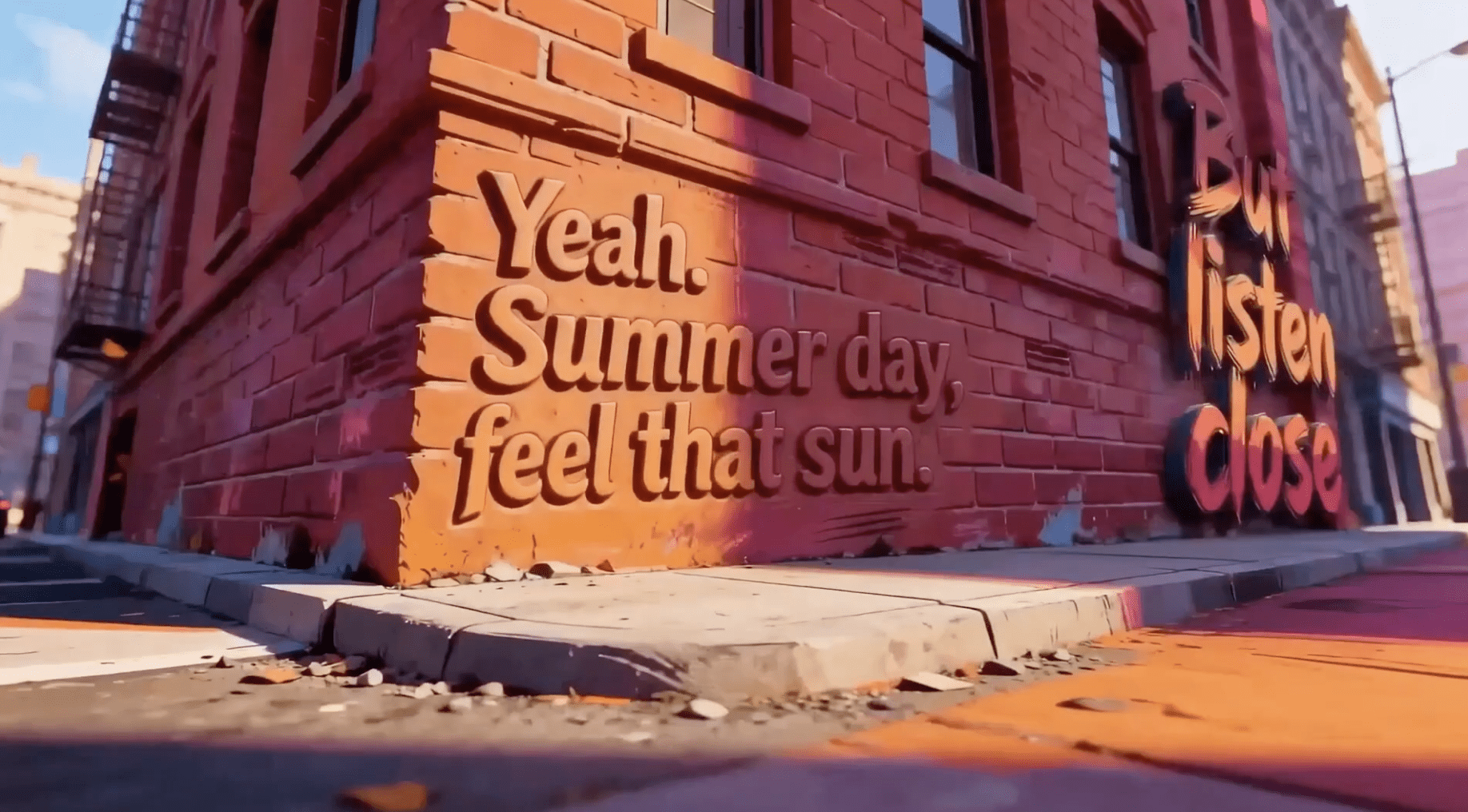
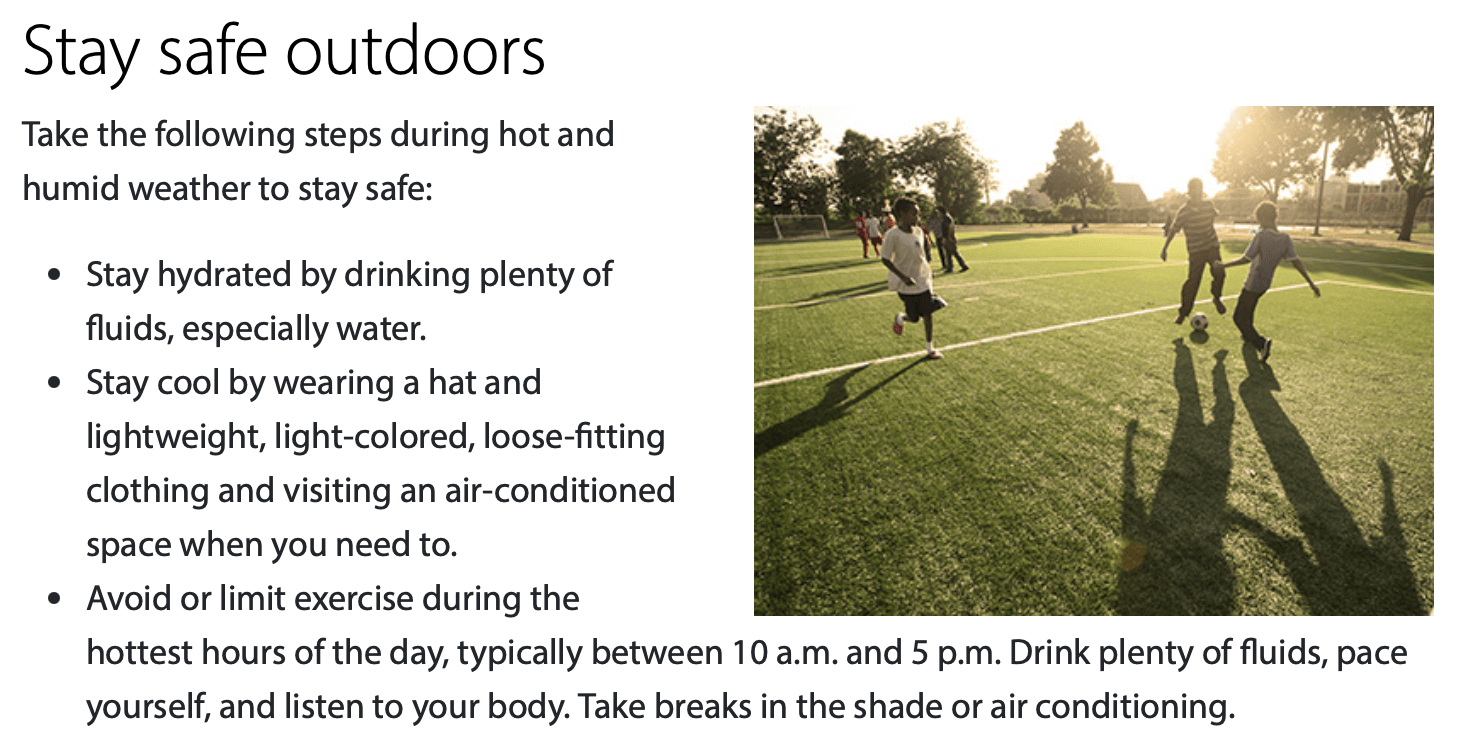 Each video concludes with practical heat safety reminders, including staying hydrated, limiting outdoor activities during peak heat, wearing lightweight clothing, recognizing the symptoms of heat exhaustion and heat stroke, checking on vulnerable family members and neighbors, and encouraging viewers to visit Hennepin County’s Extreme Heat Safety site for additional resources, cooling center information, and up-to-date heat safety guidance (see resource links below).
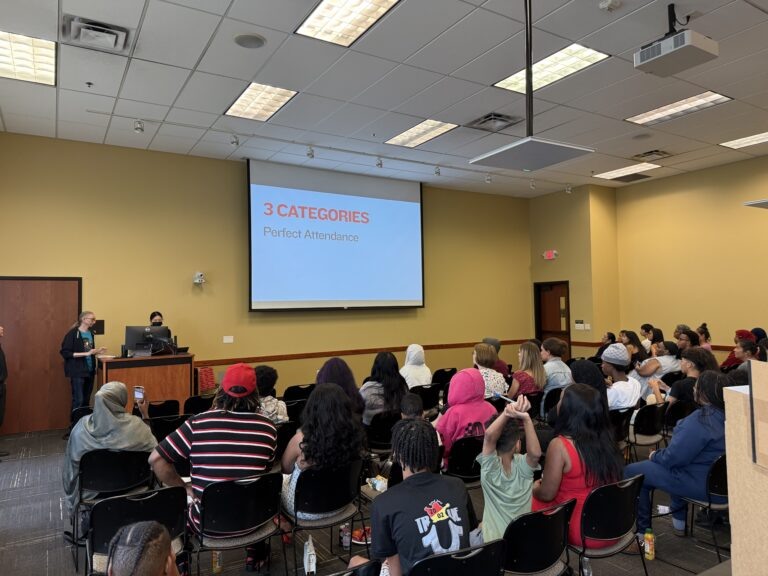
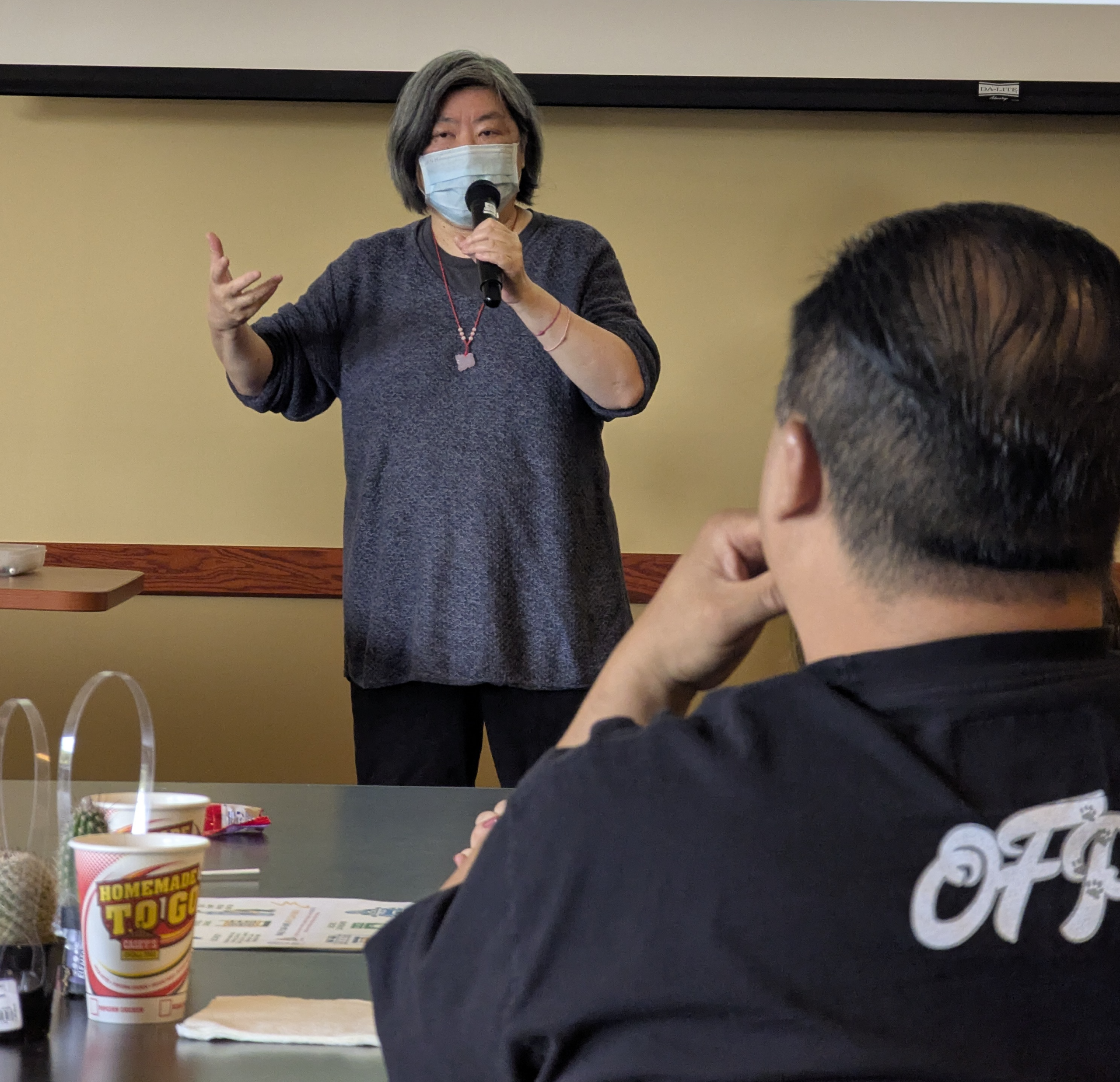
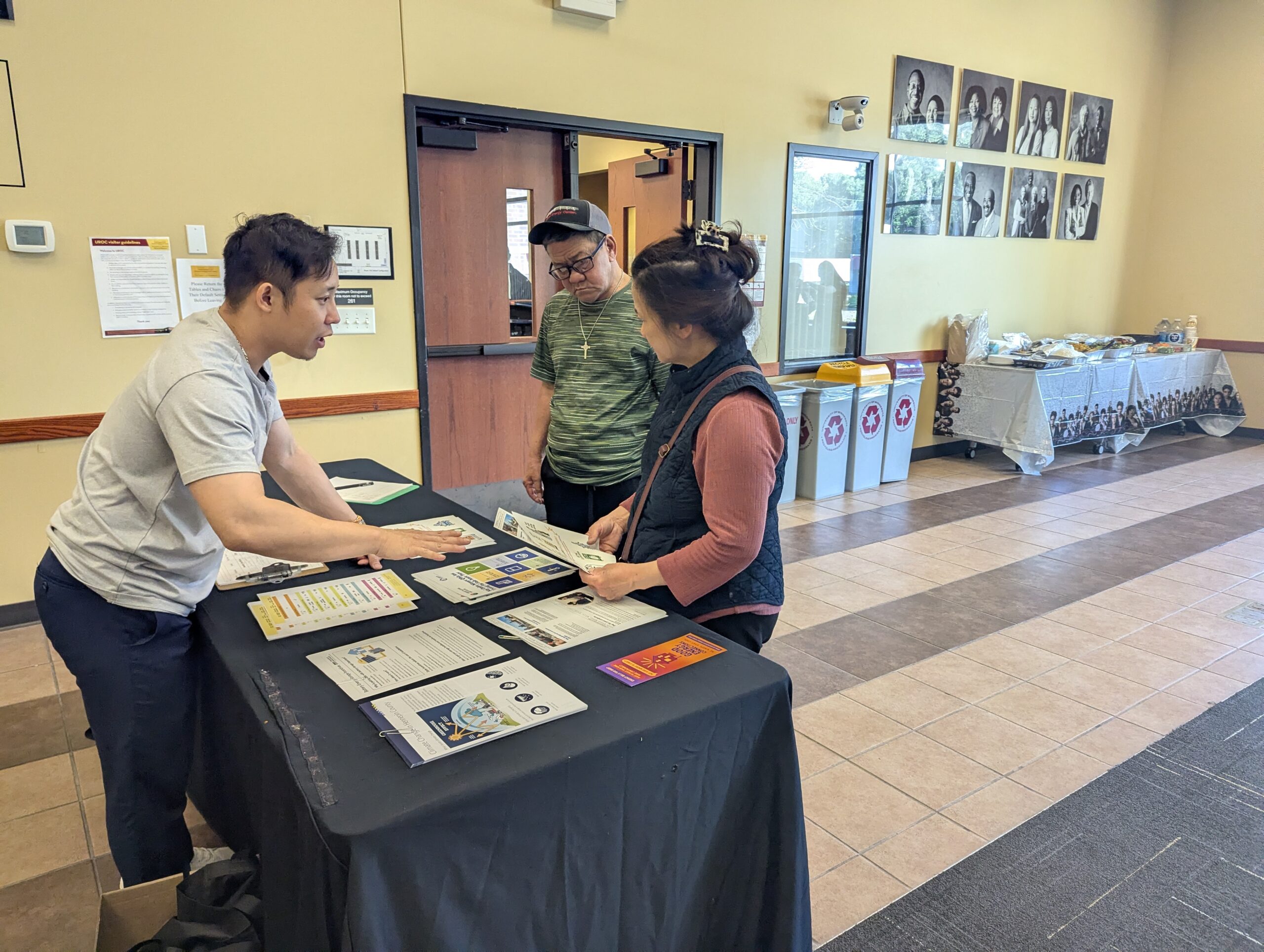 To maximize community engagement, AMA conducted community focus groups with youth, professionals and older community members to gather feedback on video style, pacing, messaging, graphics, and cultural relevance before final production. Participants emphasized the importance of creating short, visually engaging videos that are easy to understand regardless of English proficiency. Based on this feedback, AMA developed an animated storytelling approach featuring Minnesota’s state flower – the Lady Slipper Orchid – as the main character, creating a friendly and memorable guide that appeals to audiences of all ages.
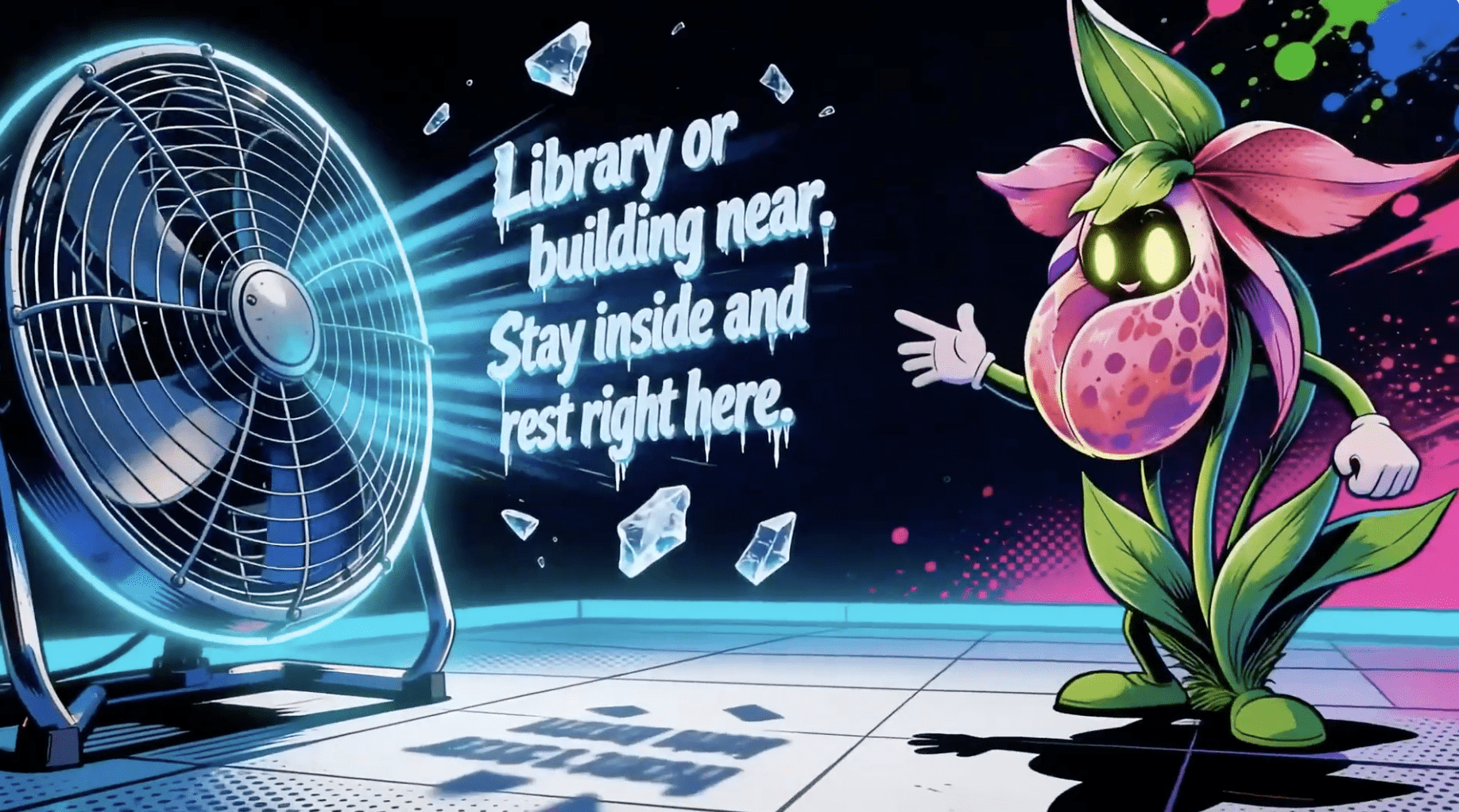 The videos also incorporate on-screen text and visual cues throughout the presentation, making key safety messages easier to follow for individuals with limited English proficiency, people watching without audio, and multilingual families. Rather than relying solely on narration, important reminders appear on screen to reinforce critical actions, helping ensure that life-saving information is accessible to as many community members as possible.
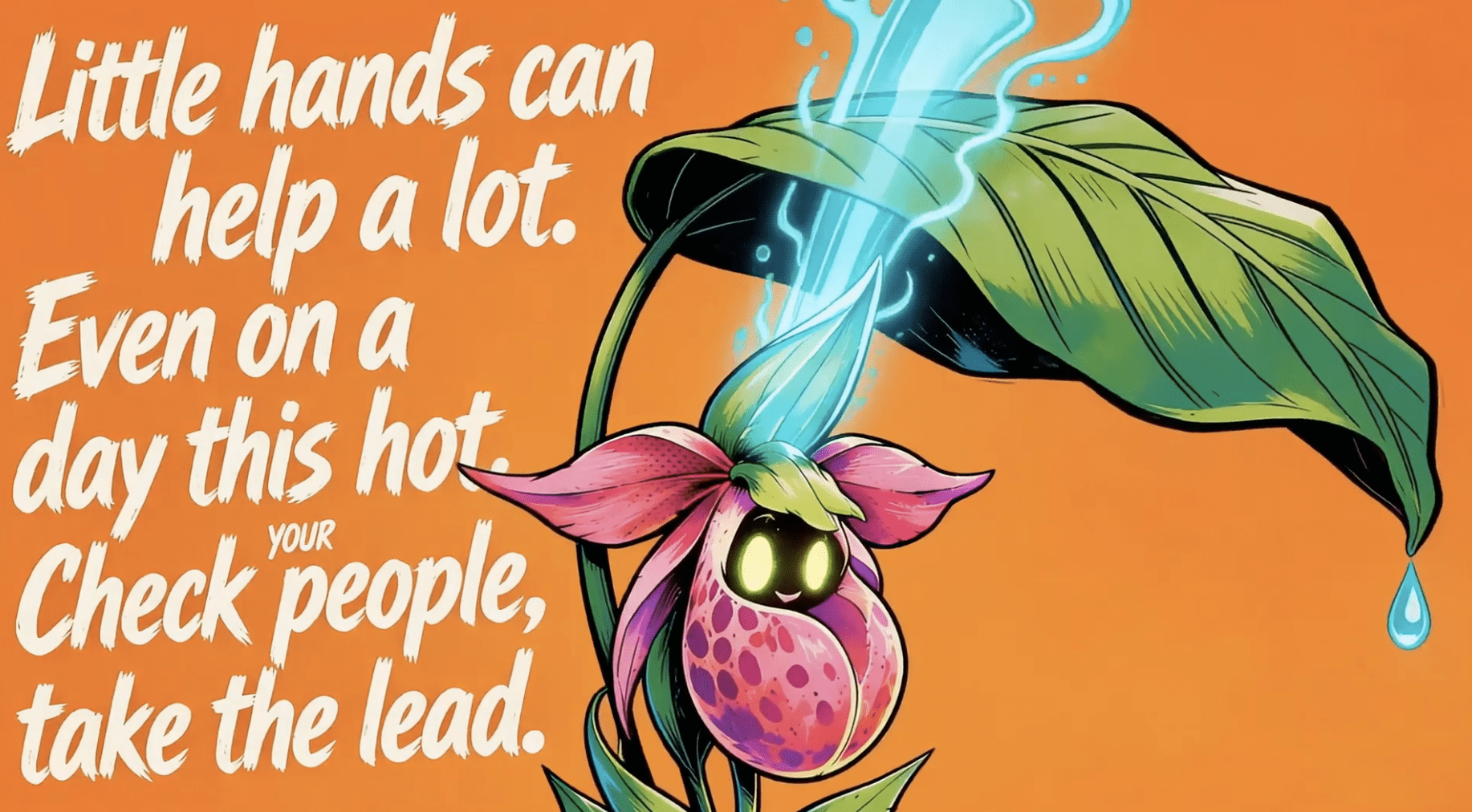
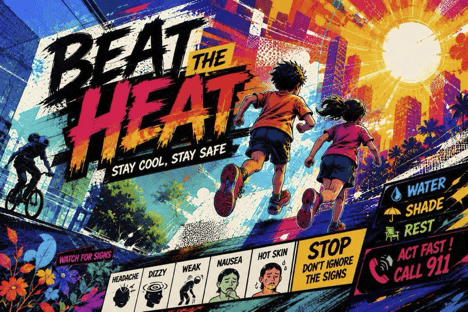 Recognizing that younger generations often help bridge language and technology gaps within immigrant and refugee families, the campaign also encourages youth to become community health ambassadors. The videos remind young people to check on parents, grandparents, neighbors, and friends during extreme heat events by ensuring they have access to water, air conditioning or cooling centers, and transportation if needed. This intergenerational approach strengthens family connections while helping protect those most vulnerable to heat-related illnesses.
 As climate patterns continue to bring more frequent periods of extreme heat to Minnesota, culturally responsive public education becomes increasingly important. Through collaboration, community engagement, multilingual communication, and creative storytelling, the “Beat the Heat” campaign demonstrates how trusted partnerships can transform public health information into accessible, engaging, and life-saving resources for all communities. Together, we can stay informed, stay cool, stay safe, and help protect one another during Minnesota’s hottest days.
 Learn more about how to keep your friends, family, and community safe during extreme heat with the following resources:
- Staying safe in the heat and humidity (Hennepin County)
- Places to cool off in extreme heat (Hennepin County)
- Extreme Heat (Minnesota Department of Health)
- HeatRisk (National Weather Service)
- Prepare for severe weather (UMN Climate Adaptation Partnership)