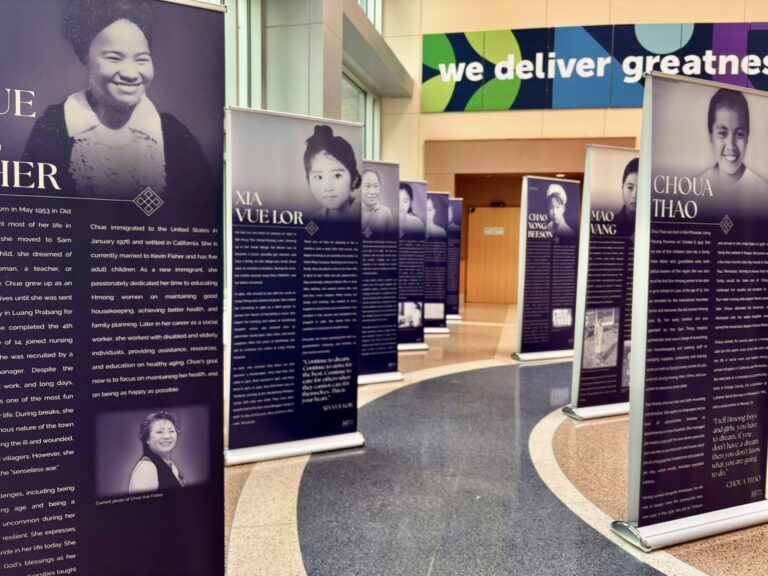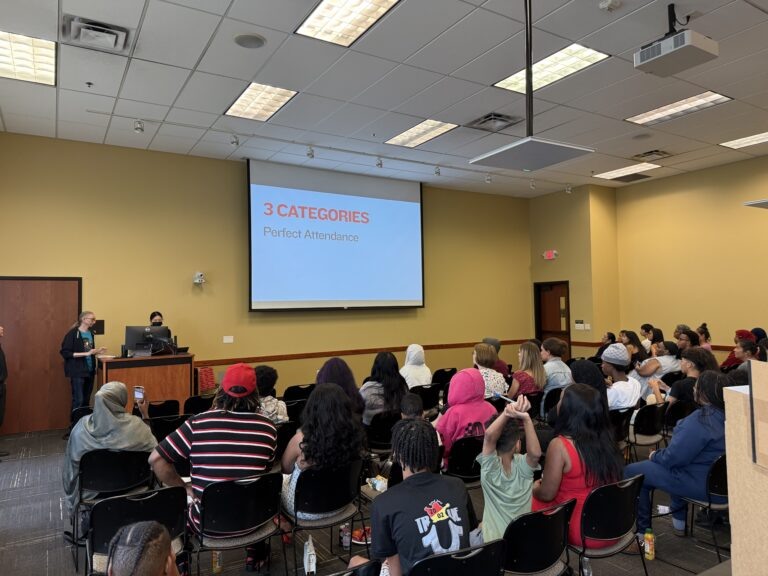
Series Preface: Asian Media Access proudly presents “Calling America HOME” Series, inspired by the resilience and hope of immigrants and refugees from across the Asian diaspora who have rebuilt their lives in Minnesota. Through these stories, we invite readers to witness a legacy of survival, determination, and hope forged against impossible odds.
In this edition, we feature groundbreaking research by the Lao Assistance Center of Minnesota (LACM), highlighting Asian Pacific Islander (API) immigrant women’s experiences navigating the American healthcare system.
To Be Heard Is to Be Healed
What API Immigrant Women Are Teaching Us About Healthcare
For many Asian and Pacific Islander (API) women who have made Minnesota their home, arriving in America did not mean arriving in safety. It meant entering a healthcare system that often did not speak their language, did not recognize their healing traditions, and did not treat them as full partners in their own care. The journey from Laos, from Vietnam, from Cambodia, from the Karen hills of Myanmar, from the Philippines and Thailand and dozens of Pacific Islands is hard enough. Finding your footing in a new medical culture – while carrying the weight of displacement and starting over – can make the simple act of seeing a doctor feel like crossing another border.
That experience – invisible in aggregate health statistics, invisible in waiting rooms that treat “the Asian community” as if it were one community – is now being named. A new assessment by the Lao Assistance Center of Minnesota (LACM), funded by the Minnesota Department of Health, has done something healthcare systems rarely do: it listened.
89 Women. Nine Communities. One Urgent Question.
The Culture of Care Assessment asked: What does a positive healthcare experience look like for API women? LACM heard from 89 women representing nine distinct communities – Lao, Hmong, Karen, Vietnamese, Chinese, Cambodian, Thai, Filipino, and other Pacific Islander backgrounds – as well as eight healthcare providers. The diversity of those communities is itself the point. “Asian American” encompasses one of the most linguistically and historically varied populations on earth. A Hmong elder who survived the Secret War in Laos and a second-generation Filipino professional do not share a single healthcare experience simply because they are coded the same way in a demographic field. This assessment refused that flattening – and that refusal is what makes its findings matter.
What Women Said: Relationships, Not Just Access
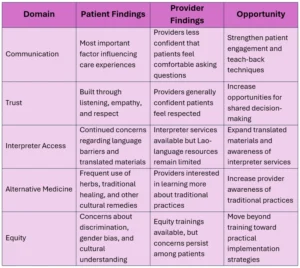
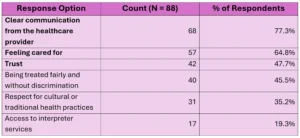
Too often, conversations about healthcare focus only on access, insurance, or appointments. While those issues matter, we wanted to hear directly from women about their experiences, priorities, and the factors that help them feel respected, understood, and supported when seeking preventive care. Across communities and immigration histories, the findings converged. Women did not lead with insurance coverage or appointment availability. They led with relationships. The most important factors in a positive healthcare visit were clear communication, feeling genuinely cared for, trust, fair treatment, and respect for cultural health practices.
Many women described how family, faith, traditional healing practices, and cultural values guide their health decisions – and how rarely their providers acknowledged this. Nearly half of all respondents reported using one or more traditional healing approaches: herbal and food-based remedies, movement and bodywork, spiritual and faith-based practices, traditional healers, and meditation. These are not fringe choices. They are the living health cultures that immigrant women carried across oceans and international borders, and they matter to how these women understand their own bodies and wellbeing.
Barriers, when women named them, were layered and intersecting. Language access remained inconsistent – interpreter availability varied dramatically by community, family members were regularly pressed into service as medical interpreters (a practice with documented health risks), and translated materials were rare. Women described feeling rushed through appointments, unable to ask questions, dismissed when they raised concerns. Some named outright racial and ethnic discrimination. Others described the quiet indignity of modesty concerns going unaddressed, or of being treated as if their bodies were problems to be processed rather than people to be cared for.
It is a Community-wide Story
When API women say they want providers who listen, explain clearly, and treat them as partners – they are describing what virtually every patient wants, in every ZIP code in Minnesota. The barriers these women face – rushed appointments, poor communication, cultural dismissal, distrust born from discrimination – are systemic failures. Immigrant communities, and especially immigrant women of color, experience those failures most acutely, because they have theleast institutional power to push back. But the failures exist for everyone.
 Healthcare providers, for their part, expressed genuine interest in doing better: they recognized the importance of trust, cultural responsiveness, and traditional healing practices, and wanted more tools to serve the communities they see. The assessment’s findings will directly inform future provider training, community education resources, and practical tools – a bridge between what patients need and what providers are ready to learn.
Coming Home to Care
Calling America home is an act of hope – and for many immigrant women, an act of ongoing courage. Healthcare is one of the most intimate arenas where that courage is tested. To walk into a clinic and trust that you will be seen, heard, and cared for across lines of language and culture – that is not a small thing. For many API women in Minnesota, it is still not a given.
The Culture of Care Assessment is a step toward changing that – not only for Lao women, or Hmong women, or Karen women, but for the full, irreducible spectrum of Asian and Pacific Islander (API) communities who have made Minnesota their home. Their voices deserve to be heard. And their wisdom about what it means to be genuinely cared for deserves to reshape a system that has too long asked them to simply adapt.
To learn more about the Culture of Care Assessment and LACM’s Women’s Health Program, visit https://www.laocenter.org/womens-health
Calling America HOME series is published by Asian Media Access. For story inquiries, contact AMA at info@amamedia.org.