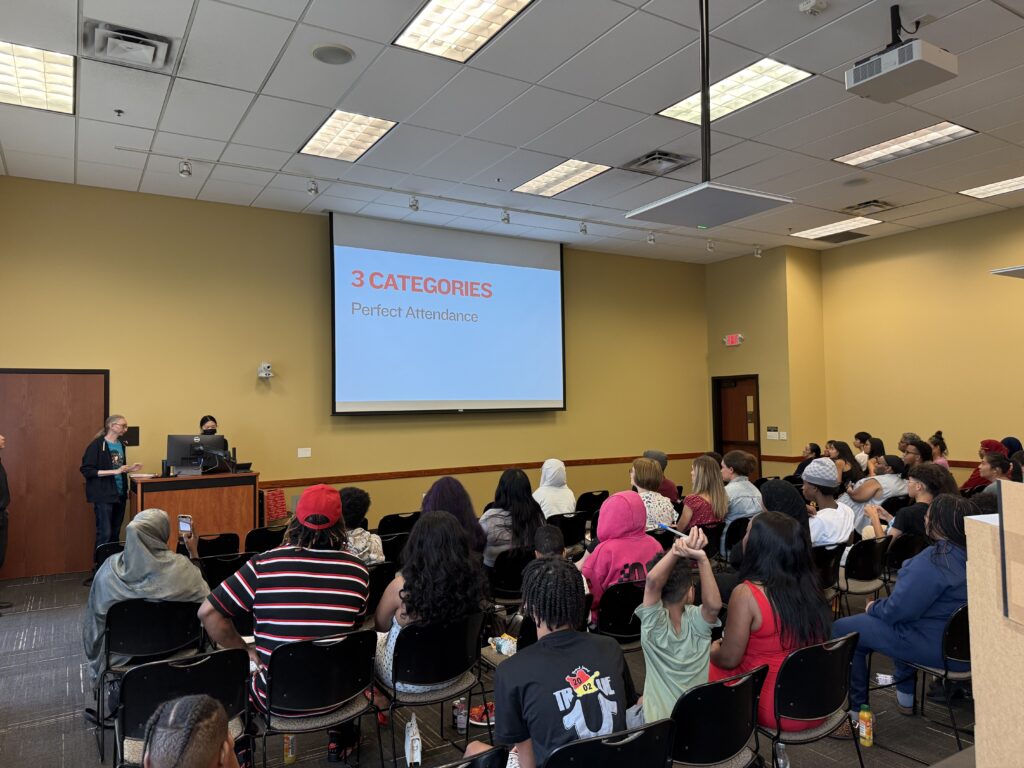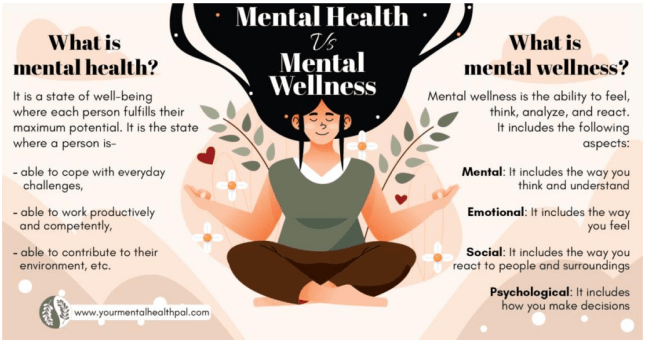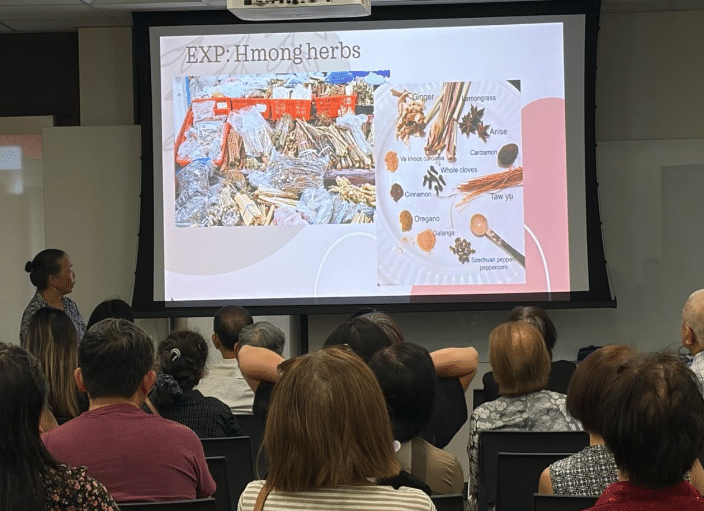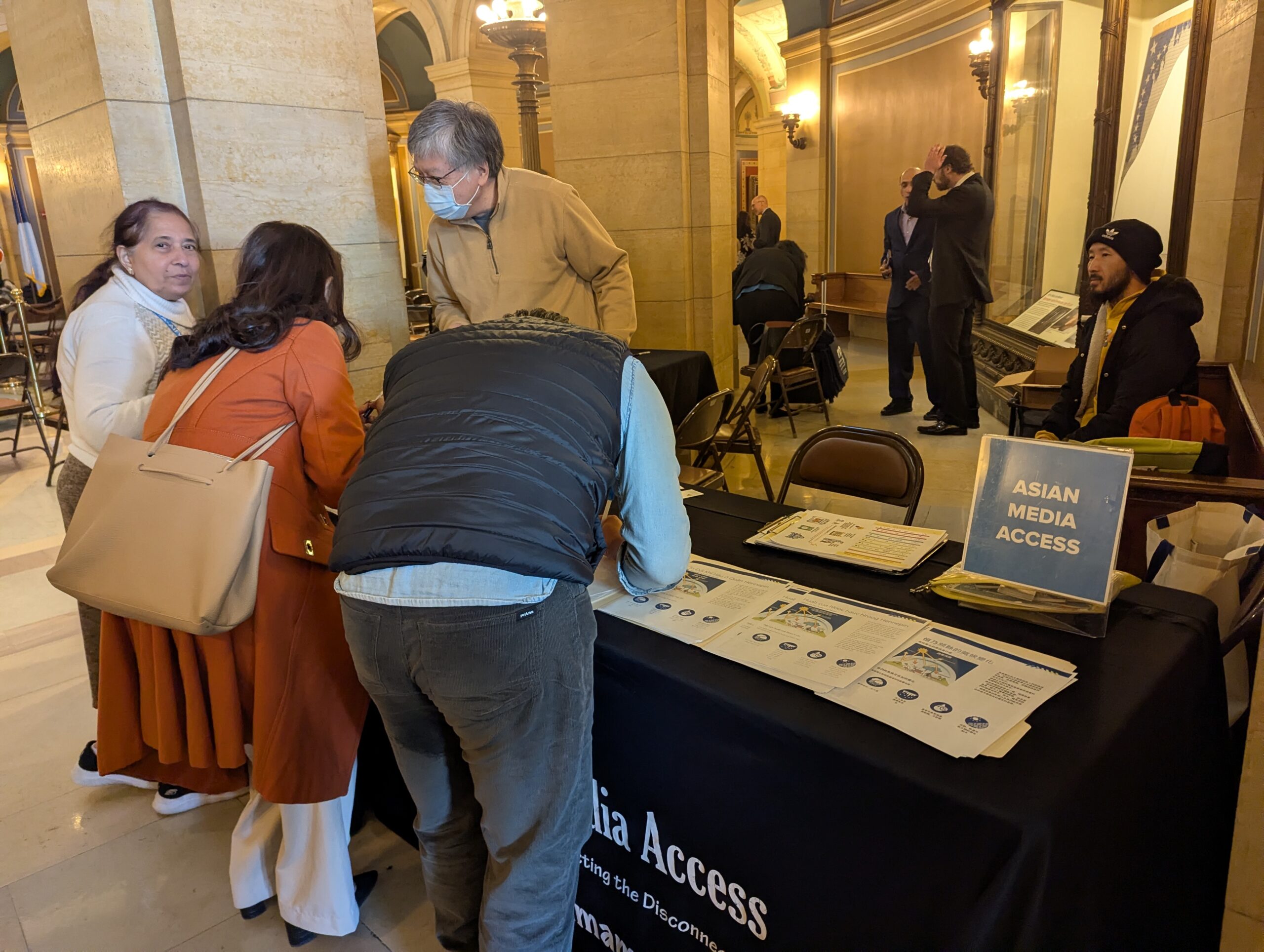
Asian Media Access has collected 280 MN residents’ surveys about home electrification preferences, offered in English, Chinese, Vietnamese and Hmong. Residents were asked: “If you had the choice, which would you prefer to live in (assuming costs and other features are the same)?” with options for fully electric, hybrid (electric heating/water + gas stove), all-gas/oil, don’t know, or no preference.
Overall Results: Strong Support for Electrification
When asked directly, 83.6% of residents support electrification to some degree:
- 4% prefer fully electric homes (all appliances powered by electricity)
- 2% prefer hybrid systems (electricity for heating and water heating, but retain gas stoves for cooking)
- 1% prefer all-gas/oil systems
- 3% answered “don’t know,” “no preference,” or had incomplete responses
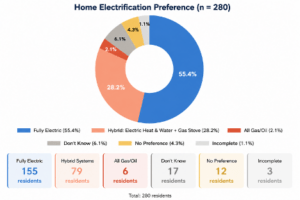 The survey results demonstrate strong overall support for home electrification, with 83.6% of respondents favoring either fully electric or hybrid homes when costs and features are comparable. A majority (55.4%) prefer fully electric homes, while 28.2% favor a hybrid approach that uses electricity for heating and water heating but retains a gas stove for cooking. This suggests that while residents are largely open to electrification, cooking remains an area where many continue to value gas appliances. Only 2.1% prefer all-gas or oil systems. Notably, 14.3% of respondents were unsure or had no preference, highlighting a continued need for education, outreach, and culturally and linguistically appropriate information about home electrification options.
Age emerges as the strongest predictor of electrification preference. Different age groups show distinct patterns:
- Younger residents (0-34 years old): Show the highest support for fully electric homes. Young people align electrification with climate action, see electric technology as the future, and have fewer attachments to existing gas infrastructure. They represent early adopters and community leaders who can influence peers.
- Middle-aged residents (35-64 years old): Lean more toward hybrid systems than younger residents. This group shows strong willingness to electrify heating/water systems (the biggest energy wins) while maintaining gas stoves. They’re pragmatic—willing to change major systems while preserving specific preferences. This is the largest potential constituency for immediate electrification action.
- Older residents (65+ years old): Express more skepticism or uncertainty about electrification. High “Don’t know” responses increase in this age group, and preference for all-gas systems is higher. Older residents likely have concerns about reliability, performance in Minnesota winters, system complexity, and cost. However, several older respondents did support electrification, indicating age alone doesn’t determine preference.
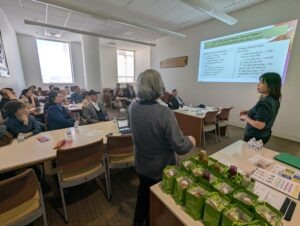 Age-based preference differences suggest that one-size-fits-all messaging won’t work. Younger residents respond to climate and innovation framing; older residents need performance guarantees and reliability testimonials from people like them.
Beyond preference choices, the survey and AMA outreached efforts revealed what residents need to move from “interested” to “actually electrifying homes.”
- Cost and financing barriers emerged as the #1 concern. Many residents said they support electrification but cannot afford upfront installation costs. They asked: “What financing options exist?” and “Will rebates or incentives apply to all brands?”
- Performance concerns, especially from older residents and those in cold climates, centered on: “Will electric heat pumps keep my home warm enough in Minnesota winters?” and “Can I really cook on induction stoves like I do on gas?”
- Contractor trustworthiness was frequently mentioned. Residents want assurance they won’t be overcharged or receive subpar work. They asked for vetted contractor lists and accountability mechanisms.
- Rental housing barriers emerged as a major issue. Renters (a significant portion of North Minneapolis) cannot electrify without landlord cooperation, yet landlords have little incentive to invest. Renters asked: “How do we push landlords to upgrade?” and “Will we be kicked out after improvements raise property values?”
- Information gaps were universal. Residents said they “don’t know enough about how it works,” “want to see demonstrations,” and “need honest information about costs and savings.”
In Summary – the Key Findings are:
1) Finding 1: Cooking Concerns Are Real and Addressable
The 28.2% preferring hybrid systems (79 residents) aren’t rejecting electrification—they’re saying heating and water heating electrification make sense, but they’re concerned about or attached to gas cooking. This suggests policy should:
- Prioritize heating/water heating electrification first (largest energy impact)
- Offer education and induction cooktop demonstrations
- Enable phased approaches rather than forcing all-or-nothing choices
- Respect cultural cooking practices
2) Finding 2: Language Access Is a Barrier to Participation
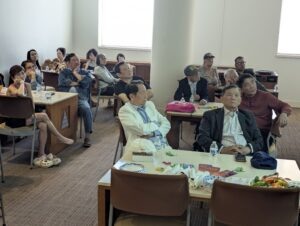
Vietnamese and Chinese speakers’ near-complete lack of response data proves that language barriers prevent community engagement. Multilingual materials alone aren’t enough—genuine engagement requires bilingual staff, trusted community partners, culturally appropriate methods, and participant compensation.
3) Finding 3: Age Affects Openness
Younger respondents (0-34) showed stronger full-electric preference; older respondents (65+) expressed more skepticism or uncertainty. This requires age-specific outreach: climate messaging for younger residents, performance guarantees and testimonials for older residents.
AMA survey revealed that 83.6% of English-speaking MN residents support electrification – a strong foundation. However, fewer than 33 of 280 surveys were completed in heritage languages, demonstrating that language barriers exclude communities most likely to need equitable support.
Asian Media Access plans to conduct more targeted outreach using linguistically and culturally appropriate methods to gather more information about immigrants’ and refugees’ unique barriers and priorities, and their home electrification preferences. For more information about the “Electrify Your Home” Initiative, please call 612-376-7715 or e-mail to amamedia@amamedia.org.