April 23, 2026 | Coffman Memorial Theater
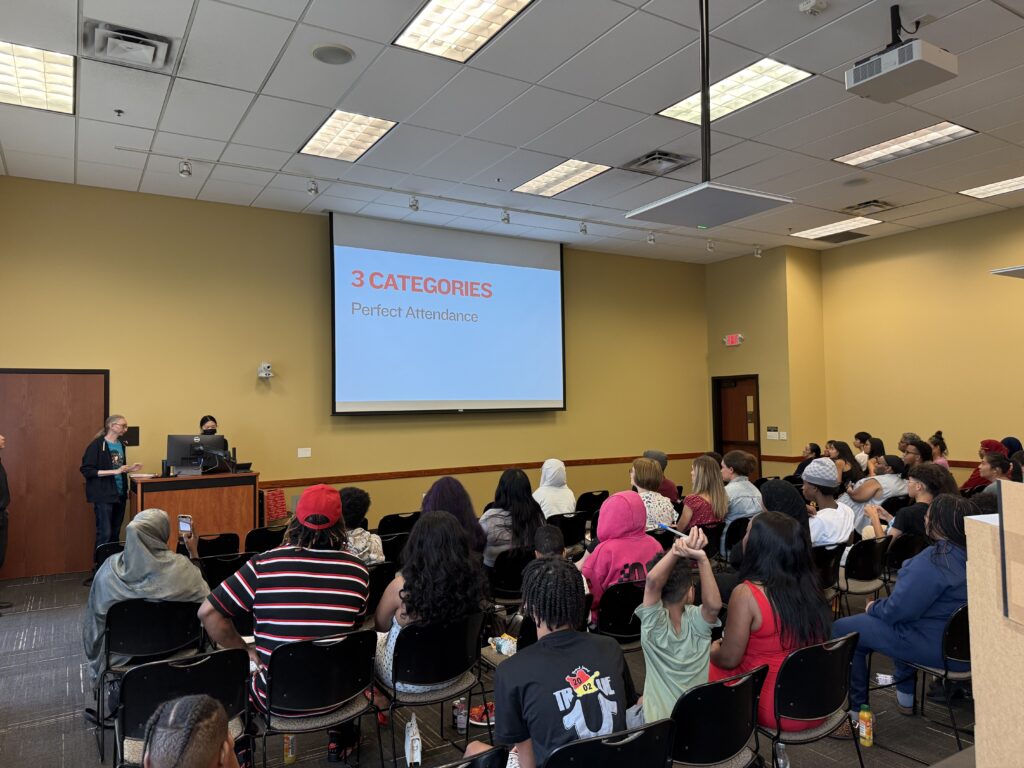
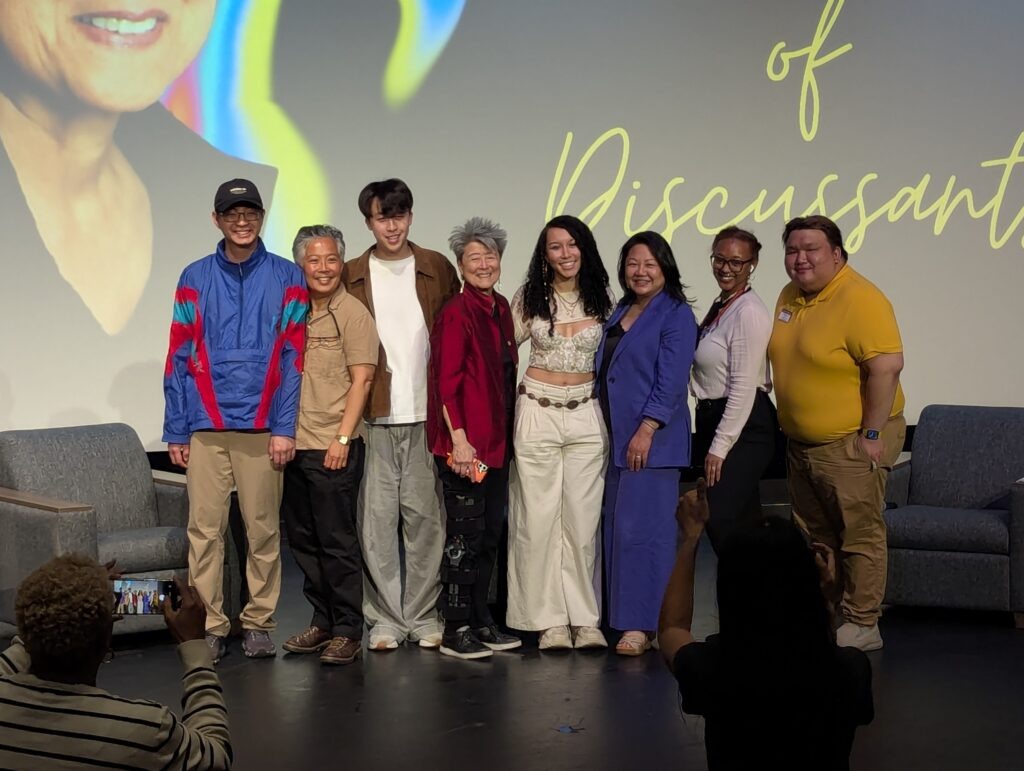
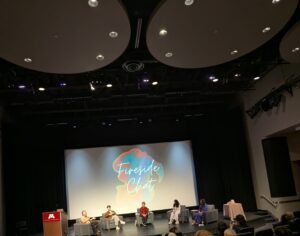 On the evening of April 23, 2026, activist, author, and award-winning journalist Helen Zia joined a dynamic group of panelists for a Fireside Chat at the University of Minnesota’s Coffman Memorial Theater. Joining Zia were Gabrielle Denniston, UMN CLA Third-year Student; Dr. Kale B. Fajardo, UMN CLA Director of Asian American Studies and Professor; Andy Tao, UMN CLA Graduating Senior; and ThaoMee Xiong, Executive and Network Director of the Coalition of Asian American Leaders (CAAL) — together delivering a powerful conversation on solidarity, cross-racial coalition building, and the ongoing struggle for equity in America.
A Movement Rooted in Demographics and Place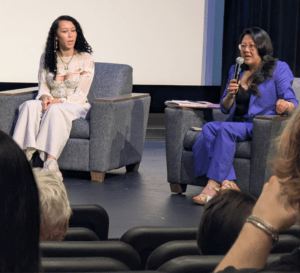 Ms. Zia opened by reflecting on how dramatically the Asian American landscape has shifted. Growing up, Asian American and Pacific Islanders (AAPIs) made up less than 1% of the U.S. population — today that number has grown to roughly 7% nationally, with communities like Oakland, California surpassing 30%. Yet numbers alone don’t build movements.
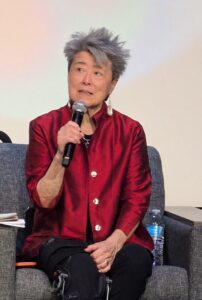
Drawing on her own experience working at Detroit, Zia spoke about the value of being one of very few Asian Americans in a community — it forced her to stand up for civil rights alongside other communities, build trust across racial lines, and make genuine human connections. Counterintuitively, she argued that organizing can sometimes be harder in places like California, where a larger Asian population can lead to insularity and in a “comfortable bubble.” The Midwest — including Minnesota — she noted, offers a model of building authentic cross-community relationships that coastal centers could learn from.
Cross-Racial Coalition Building: Hard, Necessary, and Worth It
Ms. Xiong from CAAL (Coalition of Asian American Leaders) reinforced a central theme of the evening: cross-racial coalition building is both essential and deeply challenging. It requires holding multiple community interests simultaneously, enduring rejection, and committing to the long arc of relationship-building even when progress feels slow.
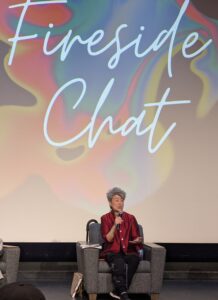 Young attendees pushed back with urgency — why has it taken so long for the AAPI community to reach this level of civic engagement? Zia acknowledged community frustration while providing historical context: during her college years, amid widespread global social movements, advocacy efforts were often sequenced—prioritizing racism first and sexism second—while intersecting issues such as colorism were frequently overlooked. These are lessons the current generation is rightly challenging. The evening’s recurring message was clear: people with consciousness and solidarity represent the majority, but DIVISION has often been deliberately used to obscure collective power and weaken community cohesion.
Media, Storytelling, and Reclaiming the Narrative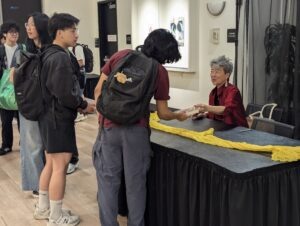 One of the most animated portions of the evening centered on media and representation. Zia and panelists discussed how Asian Americans are still funneled into narrow roles – like panelist Gabrielle complained that Filipino individuals have traditionally been associated with narrow occupational stereotypes, such as mail carriers in the mainstream media – and how news media continues to flatten complex community stories into simple individual narratives.
The case of Vincent Chin – the Chinese American man beaten to death in Detroit in 1982, a tragedy Zia helped bring to national attention and which is documented in the Academy Award-nominated film “Who Killed Vincent Chin?” – was raised as a pivotal example. At the time, anti-Japanese sentiment fueled by competition in the auto industry led to deadly scapegoating. Zia noted that the Asian American community’s response to that moment was a turning point, though she observed that the community has still not reached the level of sustained public mobilization seen in movements like Black Lives Matter.
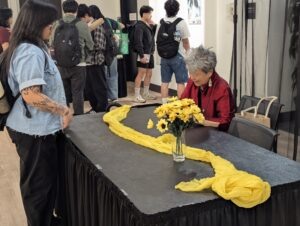 The conversation turned toward the democratizing power of modern media. Cell phone video – as witnessed with the murder of George Floyd in Minneapolis – has transformed who gets to tell a story and how quickly. Social media influencers in the Hmong community were cited as powerful examples of people using their platforms to elevate issues like ICE enforcement and immigration, building national solidarity networks from the ground up.
But Zia offered a caution: be the master of media — don’t let it master you. Algorithms are designed to divide. Awareness and intentionality are essential tools for anyone doing organizing work in the digital age.
Advice for Young Asian Americans
When asked what panelists would tell young Asian Americans navigating this moment, all panelists’ advice were grounded and personal:
• Genuine care for each other
• Know yourself and stay open to growth and change.
• Be kind to yourself. Asian communities often carry a culture of perfectionism and high standards — but you cannot care for others if you haven’t learned to care for yourself.
• Be yourself. Authenticity resonates. When people see you showing up as your whole self, they respond — and that connection is where organizing begins.
• Find your role. Not everyone needs to be on the front lines. There is meaningful work for everyone — bring your unique context and take action where it makes sense for you.
• Don’t do it alone. Community is the point. Shift from hyper-individualism toward a collective mindset.
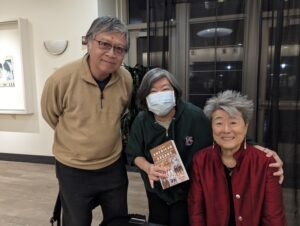 Zia closed with a message that drew on her decades of activism – from the Vincent Chin case to the federal marriage equality trial to the Beijing Olympics torch relay – history moves in cycles. Counter-movements rise. But every action taken today is a building block. “Forty years from now,” she said, “people will say — that moved us forward.”
Get mad. Get organized. Don’t give up.
The event was sponsored by the The College of Liberal Arts Student Success, Rev. Dr. Martin Luther King Jr. Program; President’s Emerging Scholars Program; College of Liberal Arts – Office for Diversity, Inclusion, Community Engagement, and Equity; Hubbard School of Journalism; Robert J. Jones Urban Research and Outreach-Engagement Center; University of Minnesota Aurora Center; University of Minnesota Office of Undergraduate Education for Student Success; First-Gen Student Success Center; Givens Foundation for African American Literature, In Black Ink, and the Center for Race, Indigeneity, Disability, and Gender Studies.