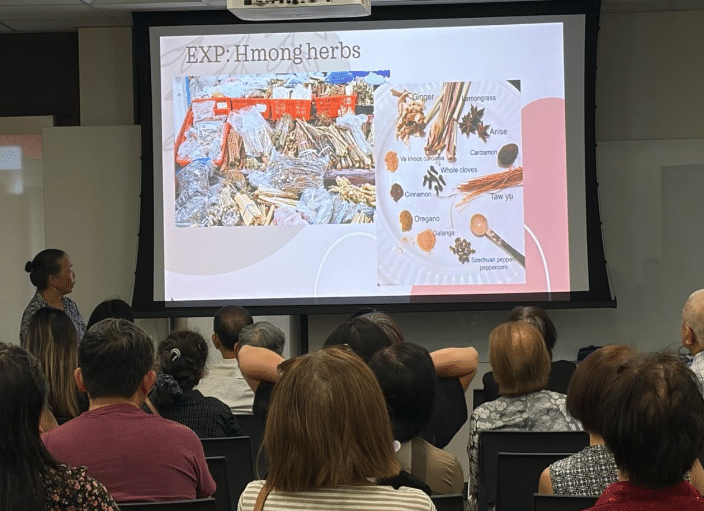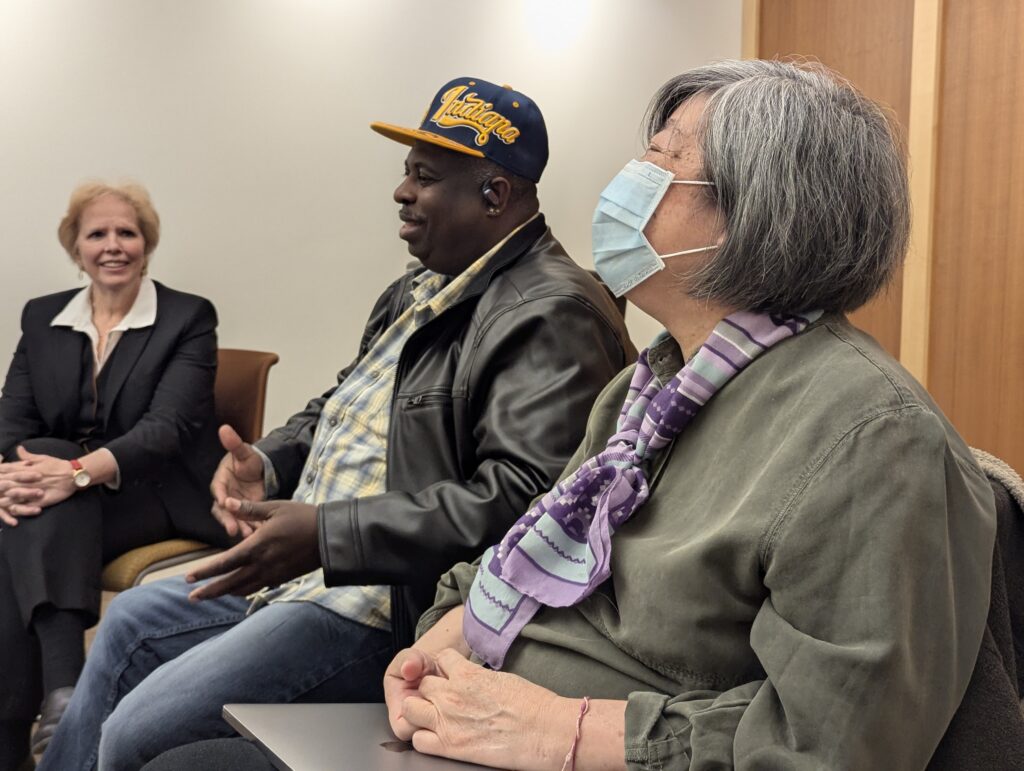
“As we gather for the April 7th Drug Free World Event in recognition of World Health Day 2026,” said by Ange Hwang, Executive Director of AMA, “we are reminded of this year’s global theme – Together for health. Stand with science – this message calls us not only to support the evidence-based approaches, but also to strengthen the human connections that sustain healthy communities.”
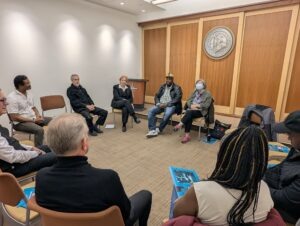
Hwang and Hennepin County Sheriff candidate Joseph Banks, in partnership with the Church of Scientology, convened a panel discussion bringing together perspectives from lived experience, community outreach, and prevention practice. The dialogue focused on strengthening collaborative approaches to better support individuals and families affected by substance use.
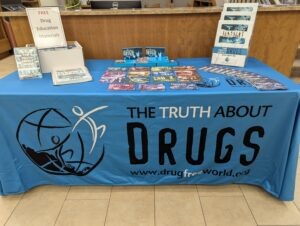 Over time, our understanding of drug abuse has shifted significantly. What was once treated primarily as a criminal justice issue is now recognized as a chronic health condition – one that requires compassion, consistency, and community-based care. This shift asks more of all of us. It calls on educators, neighbors, families, and youth leaders to act as informal care providers, recognizing early signs of struggle and offering support even when communication is difficult. Substance use disorder is not a momentary lapse; it is an ongoing condition that requires patience, trust, and sustained engagement.
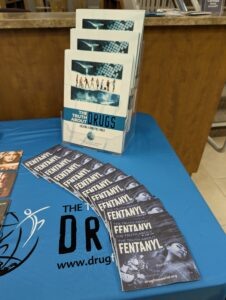
 Recovery, as we all know, goes far beyond detoxification. Loneliness, isolation, and a lack of belonging are often powerful drivers of substance use. When communities actively look out for one another, these risks can be reduced. Simple acts – sharing educational resources, starting conversations, or noticing behavioral changes – can make a life-changing difference. At a recent outreach effort, a community volunteer shared a powerful story: after distributing prevention materials, a young man approached her and revealed that he had kept a booklet close to him as a reminder to stay drug-free. Moments like this show that prevention is not always dramatic – it is often quiet, personal, and deeply impactful.
 The effects of substance use extend beyond the individual, creating what we might call “indirect victims.” Families, peers, and future generations all feel the ripple effects. This raises an important cultural question: how do we help young people understand that their choices impact others? Hwang has given an example how she was taught early about responsibility to the collective – how small acts of care contribute to the wellbeing of the whole. Reintroducing these values into our communities can help counterbalance the growing sense of isolation and individual entitlement that often weakens social cohesion. When young people learn to care for one another, they also become powerful agents of prevention.
As we move from discussion to action, the most effective solutions are those rooted in both science and community. These include early education, accessible mental health support, peer mentorship, culturally responsive outreach, and sustained public awareness efforts. Reducing addiction and drug-related harm is not the responsibility of any single system – it requires coordinated action across public health, education, community organizations, and families.
April 7th’s conversation is an invitation – to listen, to learn, and to act. By standing together, informed by science and guided by compassion, we can build a stronger, healthier community where prevention is possible, recovery is supported, and every individual is seen, valued, and connected.