Photo Courtesy: Eric Mueller
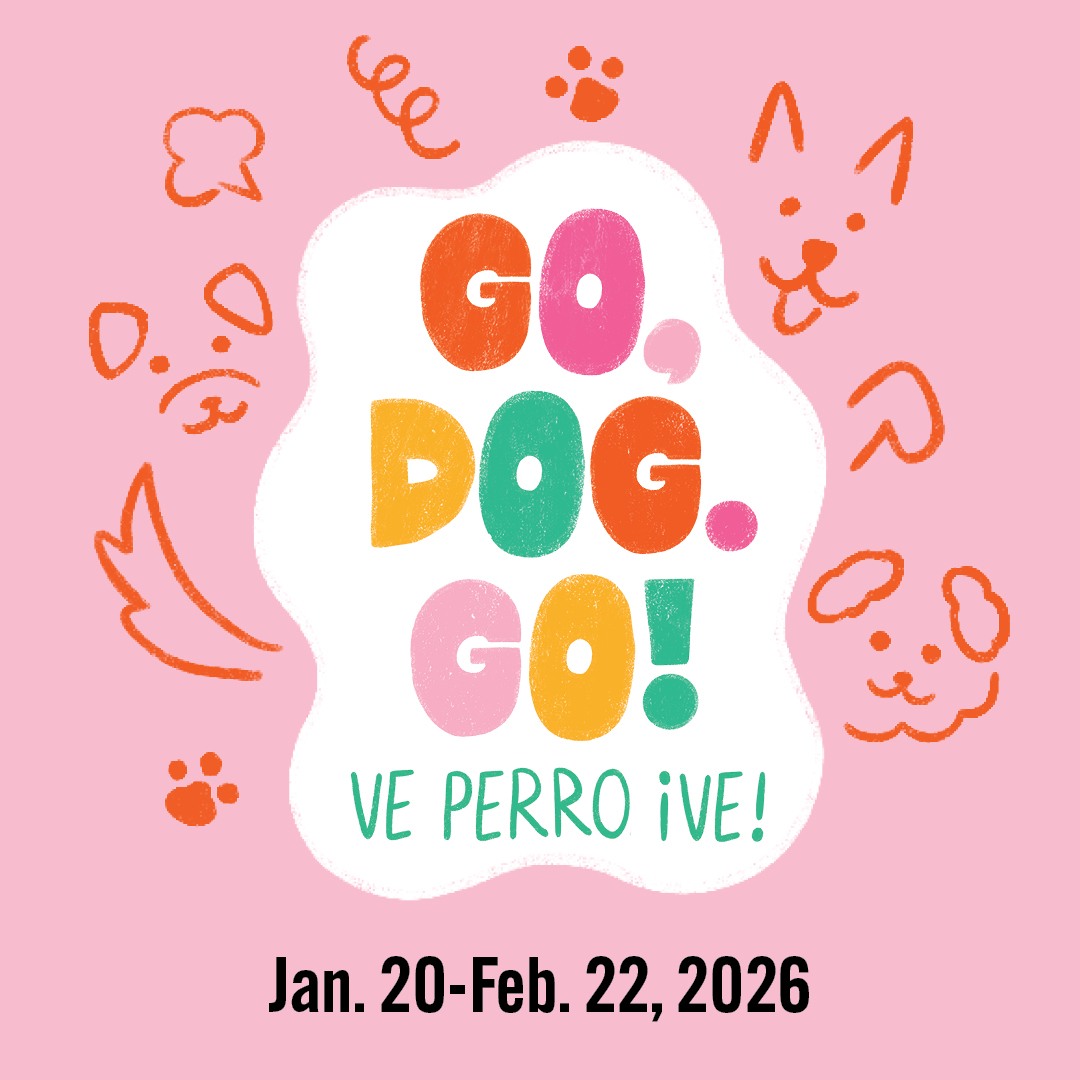
Preface: Asian Media Access is honored to feature an interview with scenic designer Sara Ryung Clement for Children’s Theatre Company’s upcoming production, Go, Dog. Go! • Ve Perro ¡Ve! This joyful bilingual musical spectacle, based on P.D. Eastman’s beloved classic book, opens on January 23, 2026. Tickets may be purchased at childrenstheatre.org/dog or by calling 612.874.0400.
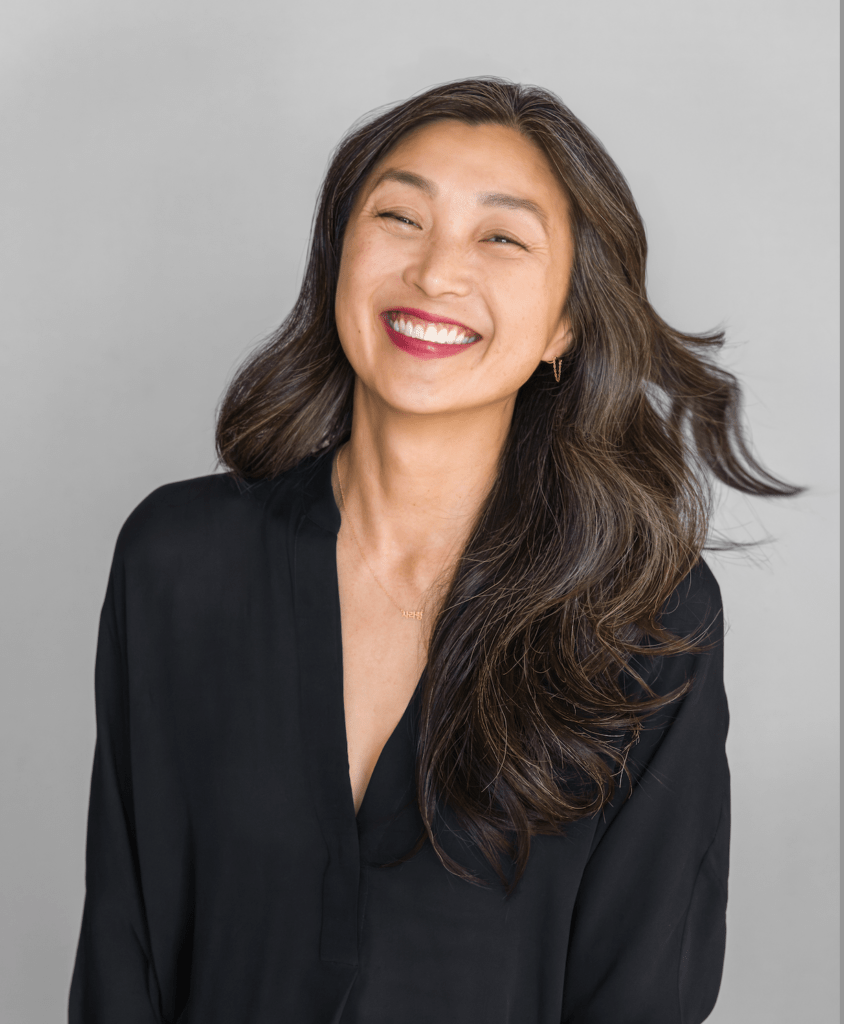
On a gloomy winter afternoon, sitting inside the Children’s Theatre set, Sara Ryung Clement shares her journey from California to the Twin Cities. As she speaks, her eyes sparkle with passion – brighter than the theater lights. Her light spoken tone shares her deep love of visual storytelling, cultural attentiveness, and a respect for artistic collaboration.
Designing a Bilingual World: Go, Dog. Go! • Ve Perro ¡Ve!
 Designing for theatres across the country – including the Guthrie Theater, Oregon Shakespeare Festival, Mark Taper Forum, Arena Stage, and Geffen Playhouse, Sara has built a career defined by curiosity, rigor, and imagination. Her current work with Children’s Theatre Company (CTC) on the bilingual musical Go, Dog. Go! • Ve Perro ¡Ve! reflects both her artistic range and her commitment to inclusive, joyful theatre that speaks to today’s audiences.
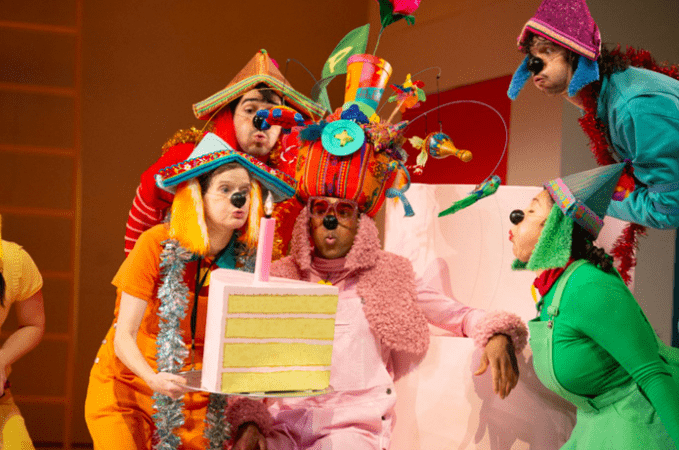
In CTC’s 2026 production of Go, Dog. Go! • Ve Perro ¡Ve!, Sara plays a key role in shaping the visual language, as the lead of Set Design. The production – adapted from P.D. Eastman’s beloved children’s book and presented in both English and Spanish – embraces the playfulnessthrough “Things That Go.” Sara’s design supports a kinetic world filled with car-driving, roller-skating, bike-riding, and scooter-scooting dogs.
During the interview, Sara described drawing inspiration from mid-century modern art, the book’s original color palette, and theatrical traditions that prioritize simplicity and imagination, taking the inspiration from Peter Brook’s work in A Midsummer Night’s Dream. She describes her favorite opening scene – a simple white box that opens to reveal bright, colorful dogs rolling onto the stage, they are rollerskating, riding scooters and tricycles, pushing buggies and pulling wagons – combining surprise, playfulness, and smart design – with a balance of visual delight and functionality.
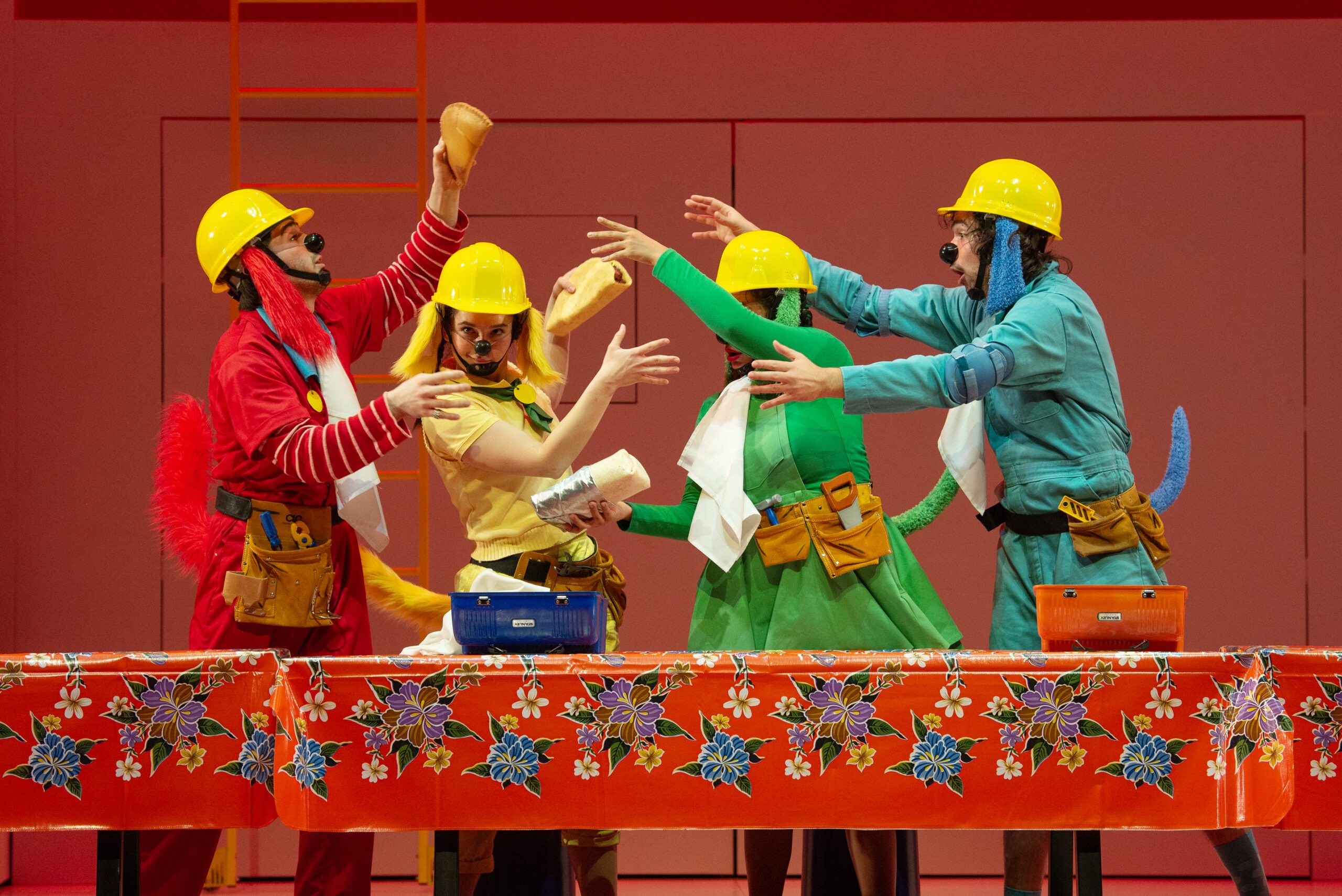
To honor the bilingual nature of the production, the set has also incorporated culturally resonant details – such as a Mexican oilcloth tablecloth and taco and torta lunch – that subtly reinforce the Spanish-language dimension of the show without overwhelming the narrative. Her sensibility aligns closely with the musical’s vision to showcase the work where every child can see themselves reflected onstage—in language, movement, and imagination.
A Non-Linear Journey into Design
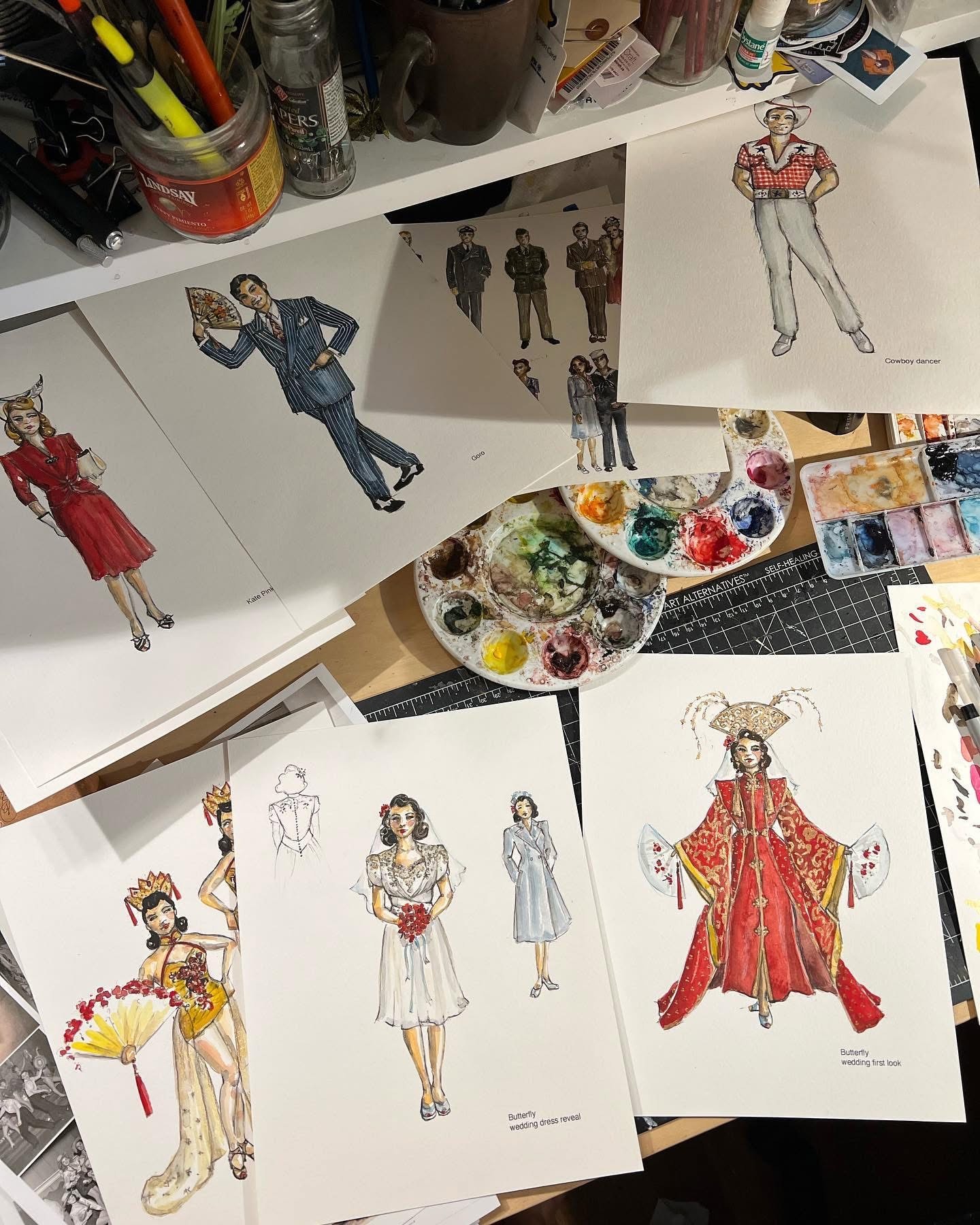
Sara’s path into theatre design was far from a straight line. It was during her undergraduate years at Princeton University, particularly through exposure to visual arts courses, that Sara began to see design as a space where her literary interests, visual sensibility, and collaborative instincts could converge. For the first time, she learned how to draw and explore visual storytelling. A pivotal class with Christine Jones, the Tony Award – winning scenic designer known for Harry Potter and the Cursed Child and American Idiot, helped Sara realize that she didn’t just want to write about theatre—she wanted to create and design it.
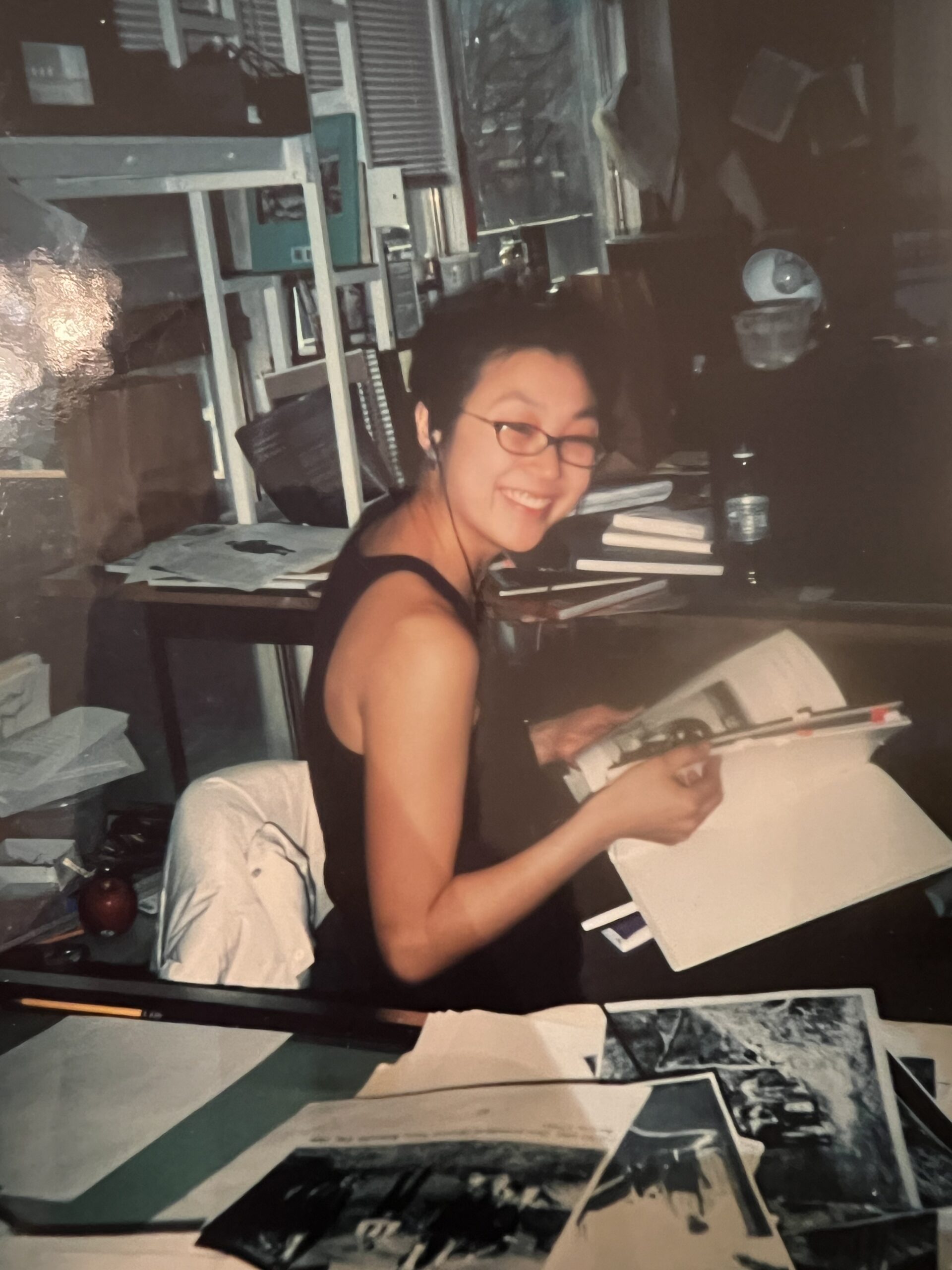
Even then, the path was not straightforward – She explored many options, including spending a year in Korea through a Fulbright Fellowship to learn and experience life outside the U.S., and started doctoral program at UC Berkeley’s Performance Studies. Each step helped her clarify her goals and ultimately led her to pursue an M.F.A. in Design at the Yale School of Drama, where she honed her craft in both set and costume design.
Looking back, Sara often describes her career as non-linear but intentional – shaped by exploration, doubt, privilege, and, ultimately, clarity about the kind of artist she wanted to be.
Asian American Identity and Creative Practice

As an Asian American artist of Korean heritage, Sara is deeply aware of how identity shapes both opportunity and perspective in the theatre field. During the interview, she reflected on how her cultural background informs her work – not always overtly, but through attention to detail, sensitivity to context, and an instinct for layered storytelling. She noted that while her Asian American identity is not always the central focus of a given production, it remains an integral part of how she approaches collaboration and representation.
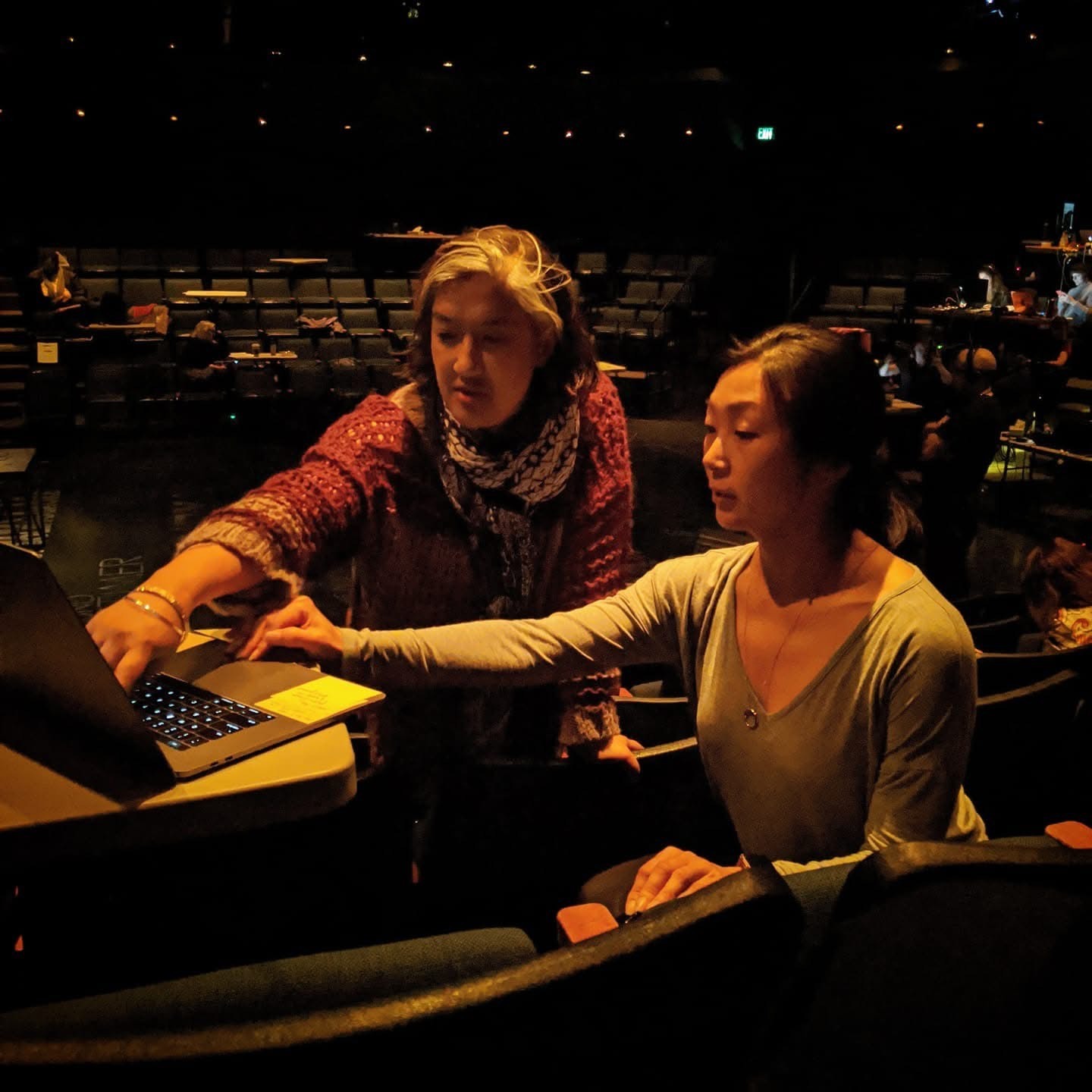
Sara came of age professionally during what she describes as a surge in Asian American theatre over the past 15 years or so. Working alongside Asian American playwrights, directors, and designers has allowed her to experience creative spaces where cultural understanding is shared rather than explained – resulting in work that feels bolder, freer, and more emotionally precise. She emphasized that diverse creative teams are not simply about representation, but about expanding the range of stories and aesthetics that can exist onstage.
Career, Community, and Connectedness

Now based in Minneapolis, Sara is part of the vibrant Twin Cities theatre ecosystem and currently teaches at the University of Minnesota. In conversations about the broader Asian American community here, Sara expressed concern and sadness about the continued presence of anti-Asian hate and ongoing threats to community safety. She emphasized the importance of visibility, solidarity, and mutual support – both within the arts and beyond. Her engagement in community-focused conversations reflects a belief that artists are also civic participants, with an important role to play in communication, education, and advocacy.
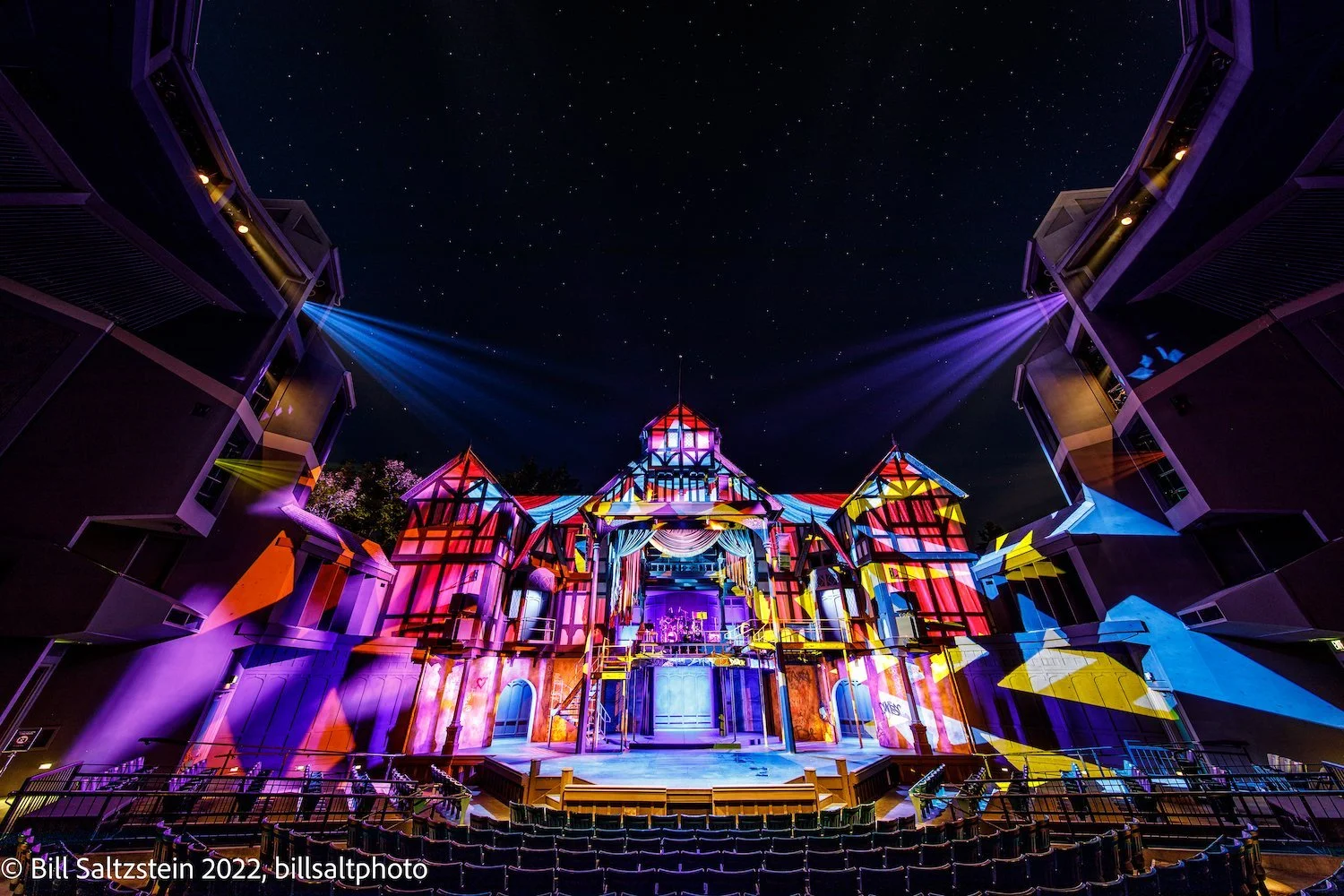
Sara Ryung Clement’s future work spans a wide range of projects, from children’s theatre to major regional and off-Broadway productions, including collaborations with acclaimed playwrights such as David Henry Hwang. Whether she is designing a playful bilingual world for young audiences or contributing to complex stories about identity and family, her approach remains consistent – collaborative, imaginative, and rooted in shared humanity.