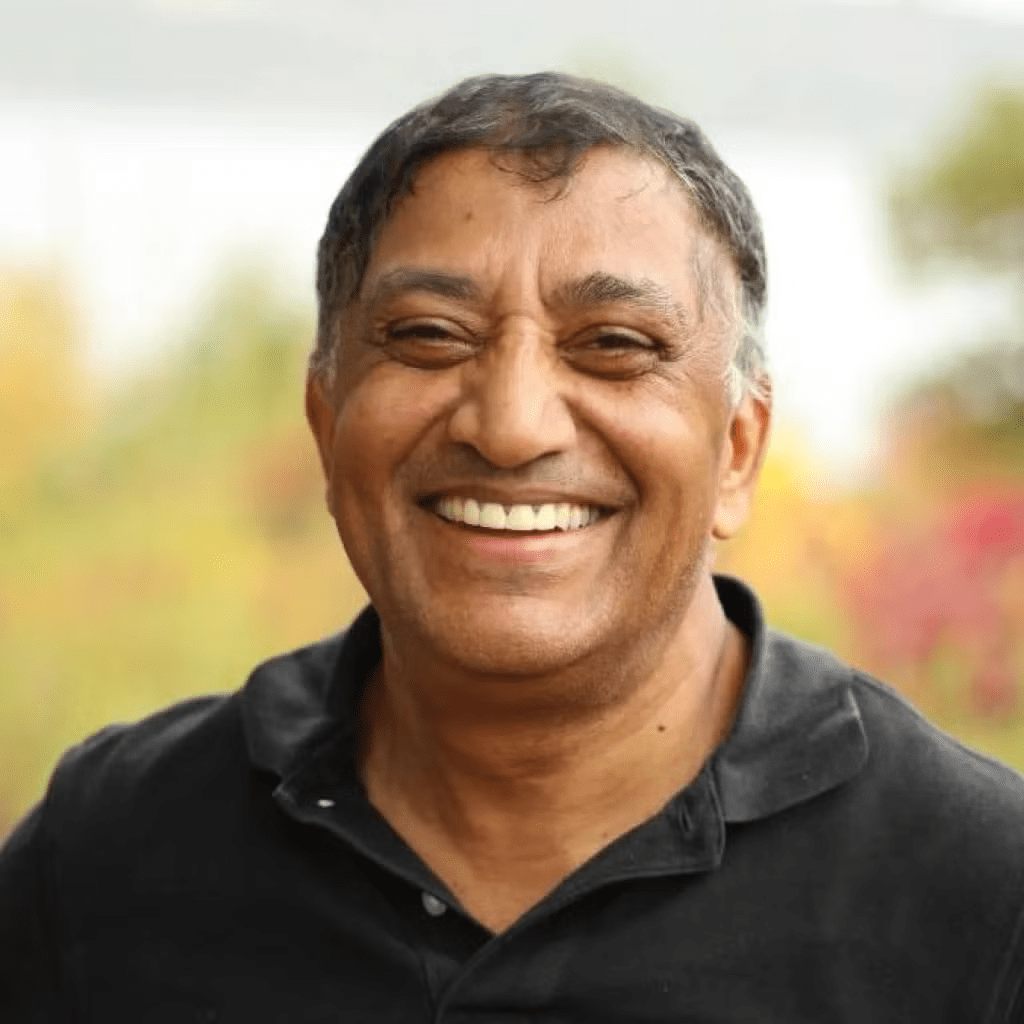
Series Preface: Asian Media Access proudly presents “Calling America HOME” Series, which is inspired by the resilience and hope shared by immigrants and refugees from all corners of the world who have rebuilt their lives in Minnesota. Through these stories, we invite readers to witness a legacy of survival, determination, and hope against impossible odds.
In this edition, we shine a spotlight on Nepali entrepreneur Dr. Narayan P. Dhakal, a visionary who bridges cultures through SOIL. Discover how his journey intertwines innovation, heritage, and a deep connection with nature
The Soil That Knows My Name: A Nepali Immigrant’s Journey
Q1. Thank you for speaking with AMA. Can you begin by introducing yourself and describing your journey to Minnesota?
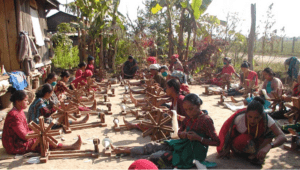
I am Narayan P. Dhakal, a transcendental farmer and ecological scholar investigating the relationship between human consciousness, biodiversity, and sustainable agriculture through urban farming, diversity knowledge systems, and environmental education. My journey to Minnesota began through my work in community-based natural resource conservation. 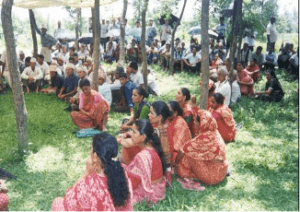 Before coming to the United States, I was actively engaged in mobilizing rural communities to conserve and sustainably utilize natural resources for the benefit of both local livelihoods and the planet. Through these efforts, my work drew the attention of conservation leaders and academic partners who recognized its impact. As a result, the Save the Tiger Fund and Professor James L.D. Smith from the University of Minnesota decided to support my admission to the University. Their encouragement and sponsorship created an opportunity for me to further strengthen my knowledge and skills in environmental stewardship and sustainable resource management. With this support, I arrived in Minnesota and began my academic journey at the University of Minnesota.
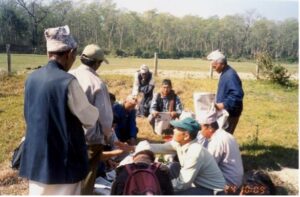
My original plan was clear: to return to my roots and continue educating and empowering communities to use natural resources sustainably. I envisioned applying the knowledge gained at the University to strengthen conservation efforts and community resilience in my native land. However, unexpected challenges within the U.S. immigration system changed the course of my journey. Instead of returning home as planned, I found myself stranded in the United States, navigating complex immigration barriers. Like many Asian immigrants in today’s environment, I have faced significant struggles—uncertainty, limited opportunities, and the challenge of rebuilding stability in a system that is often difficult to navigate.
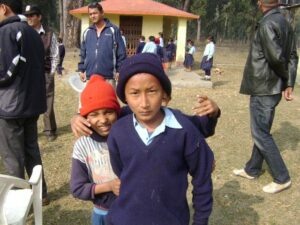 Despite these obstacles, my commitment to environmental stewardship and community empowerment remains strong. My work and aspirations continue to be rooted in the belief that sustainable management of natural resources is essential for the well-being of both people and the planet.
Q2. Please share more with us – How did your own cultural identity evolve while working in supporting other entrepreneurs? How has that work shaped your sense of belonging in both Nepali and American cultures?
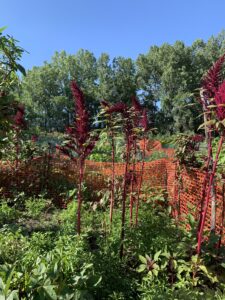 My cultural identity has evolved significantly through my work supporting entrepreneurs and communities. Growing up in Nepal, I was raised in a farming environment where food production was deeply connected to nature. Agriculture was not simply an economic activity—it was part of a circular system where soil, water, forests, animals, and people were integrated. This upbringing shaped my worldview and gave me an innate understanding that economic activity and environmental stewardship must go hand in hand.
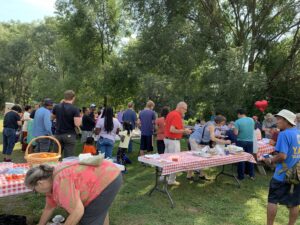 When I began working with entrepreneurs in the United States, particularly in diverse communities, I realized that this traditional ecological perspective could offer valuable insights into contemporary economic systems. Many modern business models in the United States are driven by large corporate structures that prioritize short-term profit over long-term sustainability. My experience supporting entrepreneurs has strengthened my belief that business can be responsible, community-centered, and environmentally conscious. As an Asian immigrant, I see this as an opportunity to bring my cultural understanding into conversations about responsible business and sustainable development. I value a business culture where both industry and consumers share responsibility for protecting the natural environment. Entrepreneurship, in my view, should not only generate profit but also cultivate shared values—respect for nature, ethical production, and education of future generations about sustainable living.
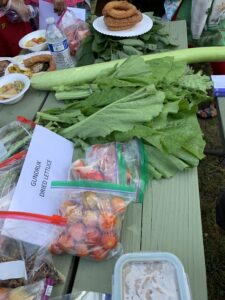 Working with entrepreneurs has also shaped my sense of belonging in both Nepali and American cultures. My Nepali roots continue to ground me in traditional knowledge, especially the idea that humans are part of nature rather than separate from it. At the same time, my experience in the United States has exposed me to innovation, diverse ideas, and entrepreneurial energy. These two worlds have influenced me to see sustainability not as a nostalgic return to the past, but as a bridge between traditional ecological wisdom and modern innovation. Ultimately, I believe nature provides every individual the opportunity to live independently and responsibly on this planet. Our challenge is to craft ways of living and doing business that are more ecological, preserving traditional knowledge while adapting it to modern contexts. These practices are not meant only for one generation—they are meant to sustain life and opportunity for generations to come. By integrating cultural wisdom with responsible entrepreneurship, we can create systems that benefit both people and the planet.
Q3. How do you balance cultural authenticity while making your work accessible to others who may not be familiar with Nepali traditions?
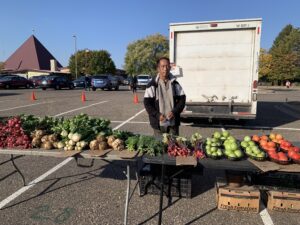 Balancing cultural authenticity with accessibility begins with focusing on the universal values that connect people across cultures. Growing up in Nepal, I was deeply rooted in a farming lifestyle where daily life was closely tied to nature. Agriculture was not just about producing food—it was about living within a system where soil, water, plants, animals, and people were interconnected. This experience shaped my cultural identity and my understanding of sustainability.
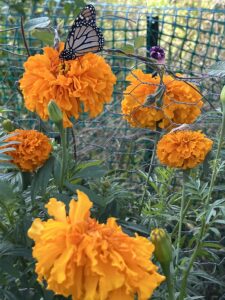 When sharing this perspective with people who may not be familiar with Nepali traditions, I focus on common ground—simplicity, respect for the environment, and the human connection to nature. These values transcend culture and geography. On a farm, for example, anyone can experience the same sensory connection with the natural world: the smell of soil after it is turned, worms moving through the earth, birds chirping nearby, and butterflies and bees flying from flower to flower, nourishing the environment. These experiences are universal and help people understand the deeper philosophy behind traditional ecological knowledge.
By sharing stories and practical experiences rather than only cultural explanations, I make these ideas accessible while maintaining authenticity. People may not know Nepali farming traditions, but they can understand the feeling of working with the land and witnessing the life it supports. In this way, my work becomes a bridge between cultures. I remain grounded in my Nepali heritage and its respect for nature, while inviting others to see that these principles are not limited to one culture—they are part of a shared human responsibility to care for the Earth and sustain life for future generations.
Q4. You have accomplished so much — from arriving in the States to becoming a cultural bearer. What were some of the pivotal challenges you faced in building your life in America?
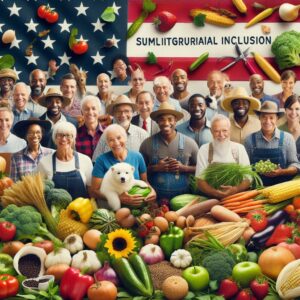 Although my journey in the United States has been meaningful and full of learning, it has also been marked by significant challenges. One of the most difficult realities many immigrants face today is uncertainty within the immigration system. Even individuals who have legal rights to stay in the country often feel vulnerable, unsure of how policies and enforcement may affect their lives. This creates an atmosphere of anxiety that can make it difficult to fully settle and contribute.
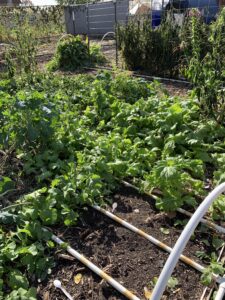 Another challenge has been navigating cultural differences. As immigrants of different backgrounds, languages, and skin colors, we often come from social systems that operate very differently from the dominant culture in the United States. Understanding the laws, expectations, and institutions of a new country takes time. While it is often said that ignorance of the law is not an excuse, it is equally important that people are given fair and accessible opportunities to understand those laws and the systems that govern them.
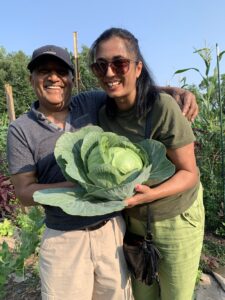 For many immigrants, the process can feel like constant vetting, as if they must continually prove their worth or legitimacy. Yet immigrants bring knowledge, skills, and cultural wisdom that can benefit the broader society. In my own experience, many immigrants from Asia and Africa come from farming backgrounds or carry deep generational knowledge about working with the land. Agriculture has been part of their cultural and economic foundation for generations. The United States has tremendous natural resources and agricultural land. If immigrant communities were supported and connected to farming opportunities and market systems, they could contribute significantly to food production, local economies, and environmental stewardship.
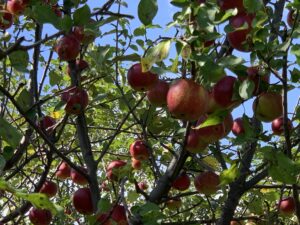
For me, working on the farm, digging soil, producing food, and merging with the environment provides a kind of quantum citizenship that cannot be achieved through systems of dominance or division. Rather than being viewed only through the lens of labor or suspicion, immigrants could be recognized as partners in building resilient and sustainable communities.
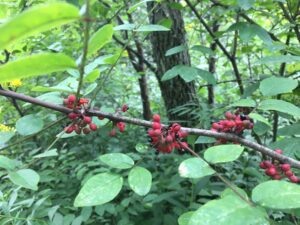 Despite the challenges, these experiences have strengthened my commitment to bridging cultures, advocating for fair opportunities, and promoting sustainable practices that benefit both people and the land. I continue to believe that when individuals are respected and given the opportunity to contribute their knowledge and skills, they can play an important role in strengthening the future of this country.
Q5. Love your statement “merging with the environment provides a kind of quantum citizenship that cannot be achieved through systems of dominance or division.” Reflecting on that journey, what impacts do you hope having on the next generation?
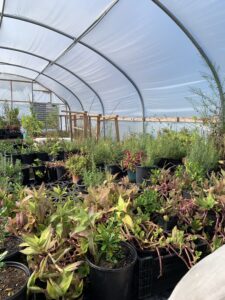
Yes, I often reflect on that belief which guides my work: “In simplicity, working on the farm, digging soil, producing food, and merging
with the environment provides a kind of quantum citizenship that cannot be achieved through systems of dominance or division.”
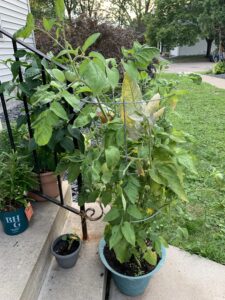 Reflecting on my journey—from my roots in Nepal to building a life in the United States—I hope to inspire the next generation to reconnect with the values that sustain both humanity and the planet. Too often, modern systems measure success through power, status, or control. But real belonging comes from understanding our relationship with the Earth and with one another.
My hope is that young people will see dignity in working with the land that nourishing life, so they can experience a deeper form of citizenship—one rooted not in documents or borders, but in responsibility and care for the planet.
For the next generation, I hope to pass on the idea that sustainable living, humility, and respect for nature are not outdated traditions. They are essential foundations for the future. By combining traditional ecological wisdom with modern innovation, young people can create communities that are more just, resilient, and environmentally responsible. Ultimately, I want the next generation to understand that true belonging comes not from dominance or exclusion, but from stewardship—caring for the land, respecting diverse cultures, and building a world where both people and nature can thrive.
Q6. Any final words for our readers?
“LET US PLANT THE SEED of TRUTH – TRUTH to GERMINATE, TRUTH to GROW, TRUTH to FLOWER, TRUTH to FRUIT AND TRUTH to SEED AGAIN”
Please review the research papers below for additional insights into Asian philosophies on a sustainable future.
https://www.researchgate.net/profile/Narayan-Dhakal?ev=hdr_xprf
https://dhakal-contact.medium.com
Also please check out my blog at – https://www.patreon.com/cw/u36465585, and join me in being part of the stewardship.