 The film and television industry has traditionally depended on large production teams and significant financial resources. From character development and scripting to filming and post-production, the creative process has long required coordinated collaboration across multiple disciplines. With the rapid advancement of artificial intelligence, however, this landscape is beginning to shift. AI-powered video generation engines now enable individual creators to produce short-form cinematic content with far greater accessibility.
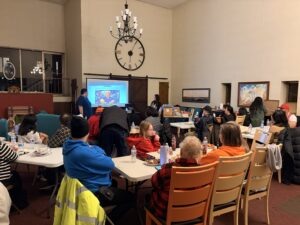
As AI tools continue to evolve and more creators enter this emerging field, structured training and methodological guidance have become increasingly important. In response to these changes, Asian Media Access (AMA) launched a 10-week Advanced AI/VR 2D/3D Animation on October 25, 2025, with 7 cohort members who are ready with advanced skills to move into next level of digital experience. This advanced program was designed to strengthen trainees’ media literacy and creative capacity while exploring how artificial intelligence can support visual storytelling without replacing the creative agency of the artist.
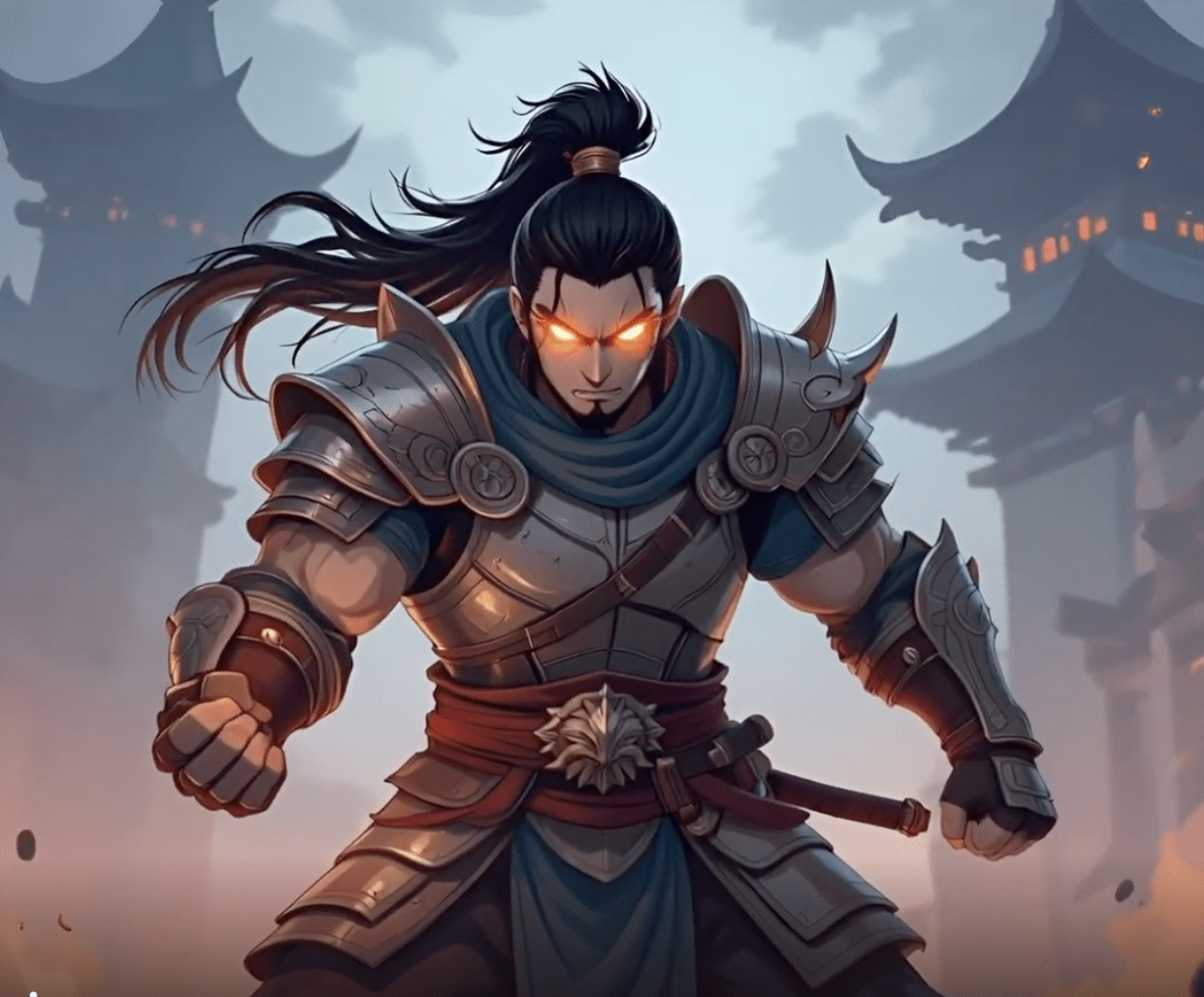 Rather than beginning with direct instruction on AI video engines, our cohort first examined the foundational stages of traditional film production. Participants reviewed core components including character development, narrative structure, shot composition, and storyboarding. This approach emphasized that AI output should be guided by intentional design and structural planning, rather than relying on unrestricted generative results.
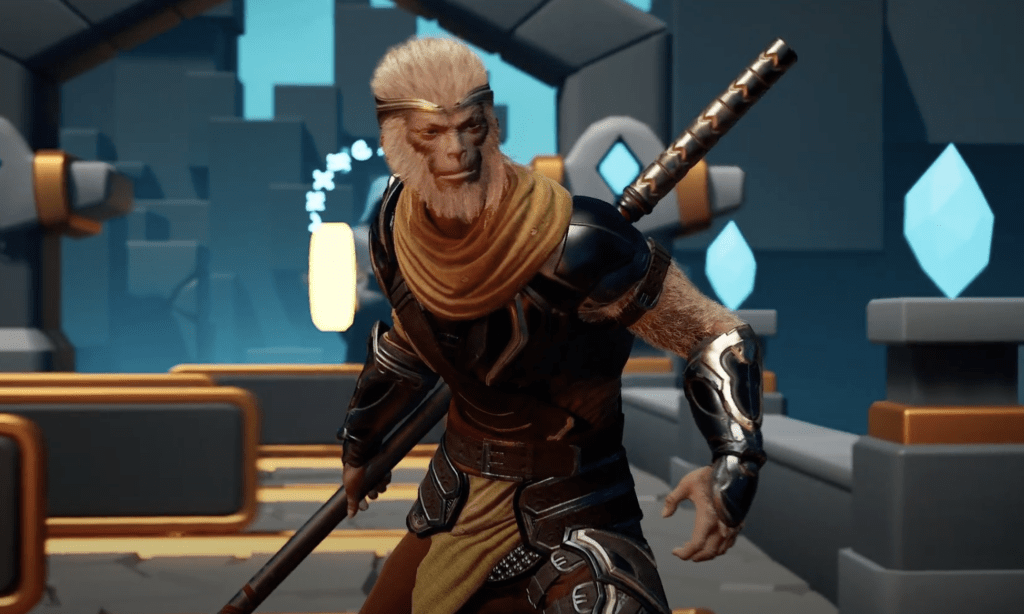
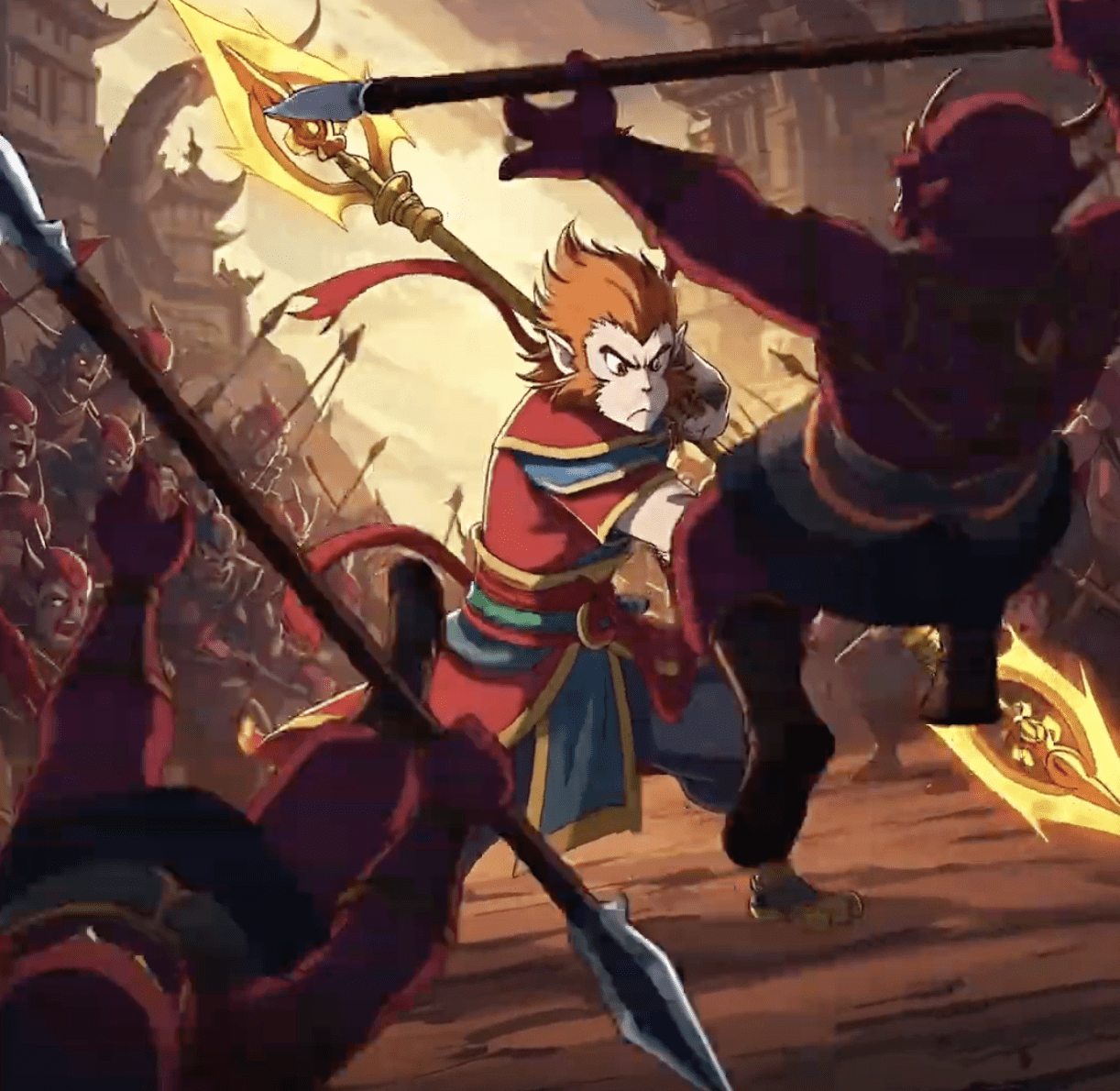
During the initial creative exercises, trainees used Sun Wukong (Monkey King) from Journey to the West as a reference character. This decision addressed one of the most significant technical challenges in current AI video generation: character continuity. Because most AI video engines generate clips limited to five to ten seconds, visual inconsistencies often emerge when producing multiple segments featuring the same character.
Through multiple rounds of experimentation and iterative refinement, participants developed detailed character reference images—including costume design, proportions, and defining visual traits—which significantly improved consistency across sequences. Establishing structured reference materials reduced visual drift and strengthened narrative cohesion.
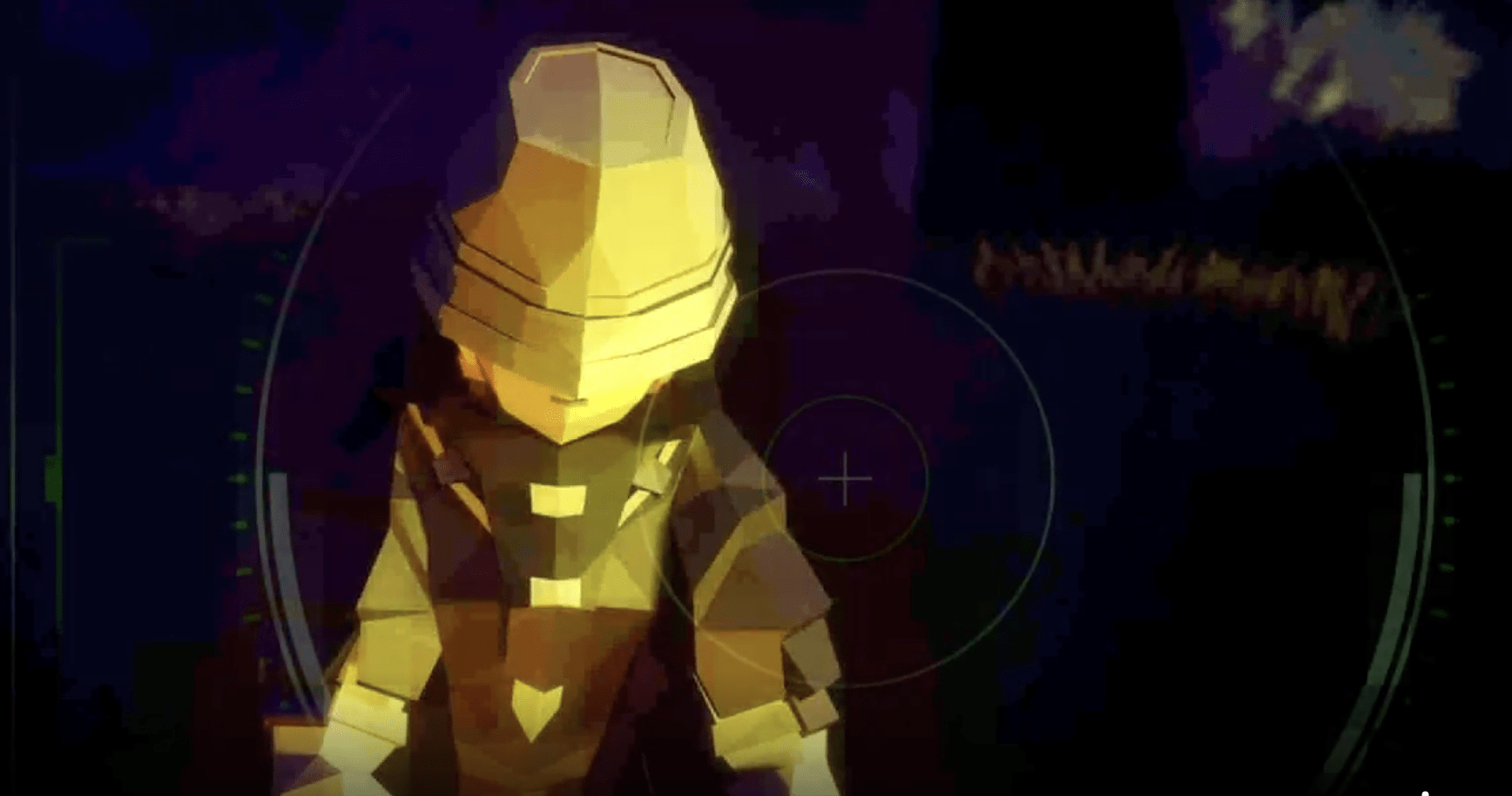 Scene continuity and camera progression presented additional challenges. The short duration limits of AI video engines complicate the creation of extended takes and fluid narrative transitions. To address this issue, two key strategies were implemented. First, scene reference images were created prior to animation to provide consistent environmental anchors. Second, the final frame of one generated clip was used as the starting frame for the subsequent segment, enhancing visual continuity between scenes.
After repeated testing and refinement of these techniques, scene transitions became more stable and cohesive, particularly in original or culturally specific environments where fewer existing visual references are available. Following the establishment of continuity workflows, our program transitioned into post-production development. Participants were introduced to basic music composition, and editing principles using DaVinci Resolve to refine pacing and assemble generated sequences into cohesive short films. In the audio component, students edited the royalty-free or AI-generated music to complete their 2D and 3D video projects with diverse AI/VR platforms.
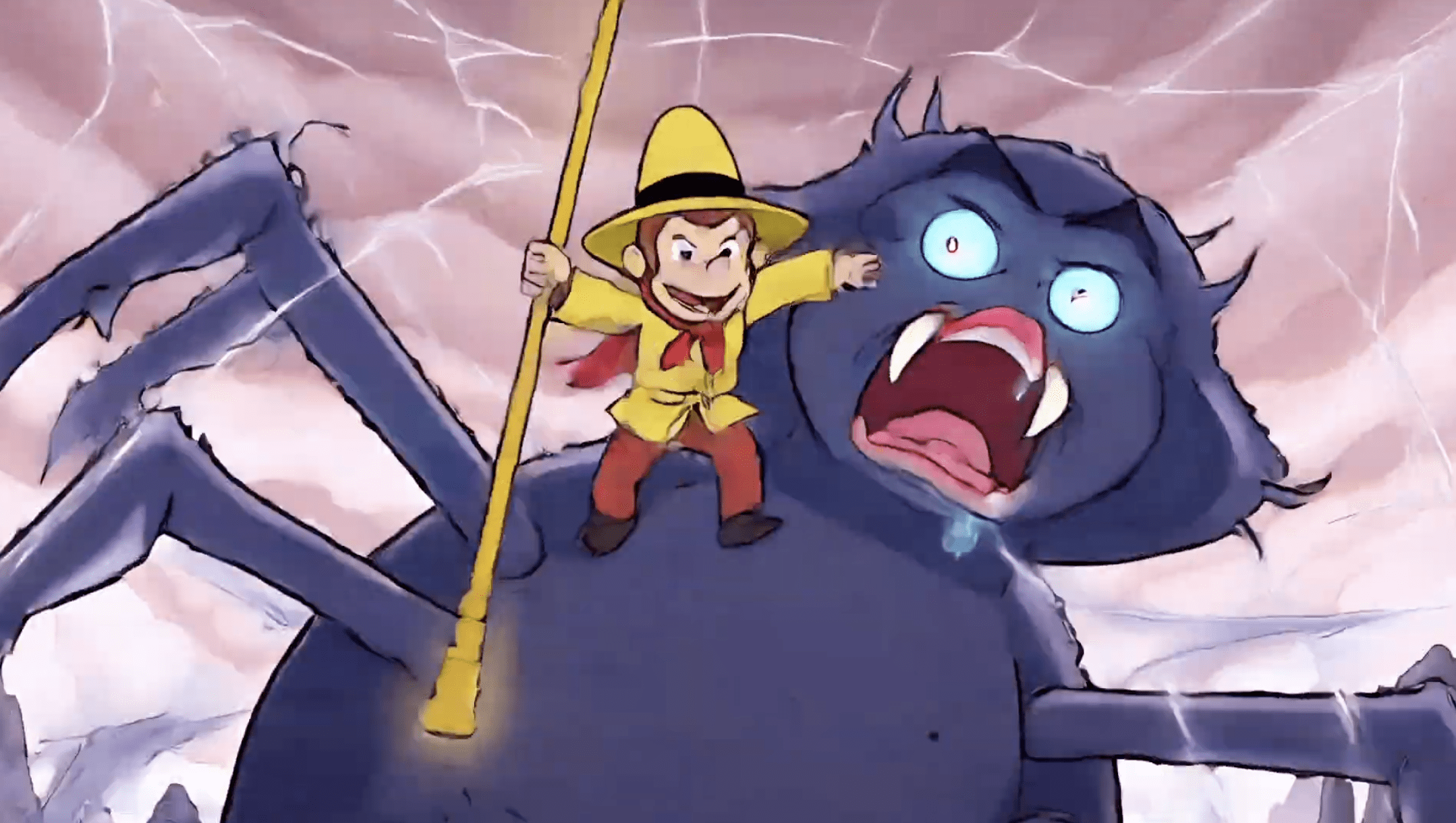
An early concern of the cohort centered on whether AI-generated work might become homogeneous if much of the production process were automated. However, even within the same script framework, variations in descriptive language, visual interpretation, pacing decisions, and post-production choices led to distinctly individual outcomes. Trainees functioned not only as AI operators but also as directors and editors, shaping the final results through intentional decision-making.
Over the course of the ten-week program, the Advanced AI/VR Cohort achieved meaningful progress in developing structured creative workflows and strengthening narrative continuity strategies. The experience demonstrated that when supported by clear frameworks and systematic refinement, artificial intelligence can serve as a tool that enhances—rather than diminishes—creative expression.
Our cohort provides a foundation for future expansion of AI-integrated media education at AMA. Insights gained from this initiative will inform continued exploration of advanced storytelling techniques and cross-media applications. As artificial intelligence continues to transform creative industries, AMA remains committed to empowering members to engage with emerging technologies thoughtfully, ethnically, and creatively.
Videos:
Journey to the West – 2D
https://drive.google.com/drive/folders/14Fb_ty8uFk5Fegf9DditUfq19DUGtn_U
Dots Exercise
https://drive.google.com/drive/folders/1bLcJZgGu8iW0CbDFIaGNYGwFtOP19dQu
Journey to the West – 3D
https://drive.google.com/file/d/1KikMsr60u1MdK23g3YDlJGF966thY4Al/view