Series Preface: Asian Media Access proudly presents “Calling America HOME” Series, which is inspired by the resilience and hope shared by immigrants and refugees from all corners of the world who have rebuilt their lives in Minnesota. Through these stories, we invite readers to witness a legacy of survival, determination, and hope against impossible odds.
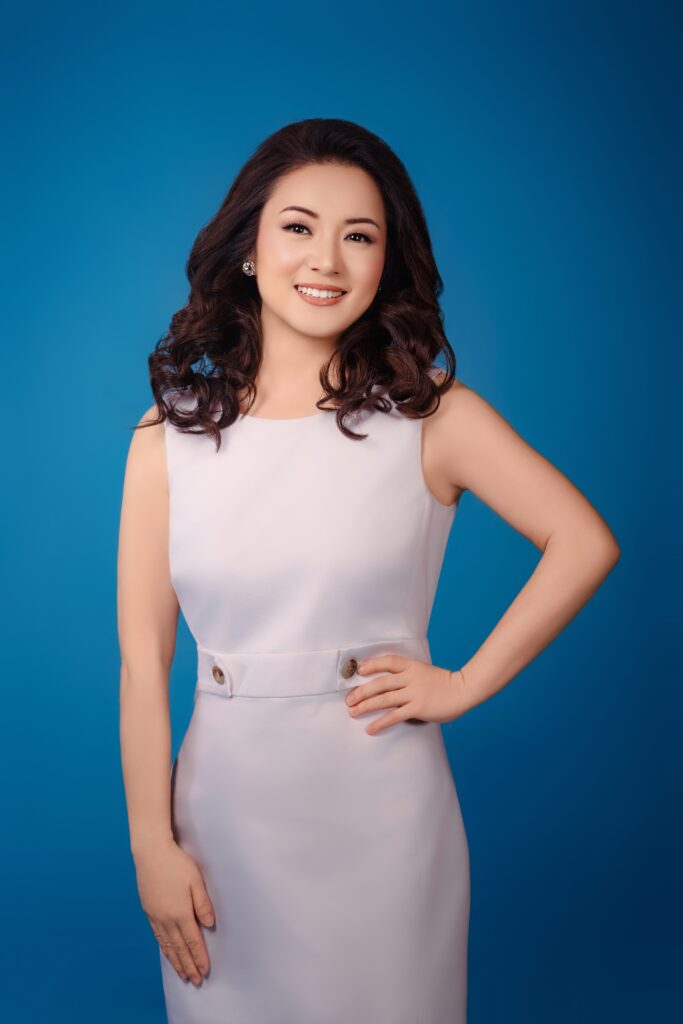
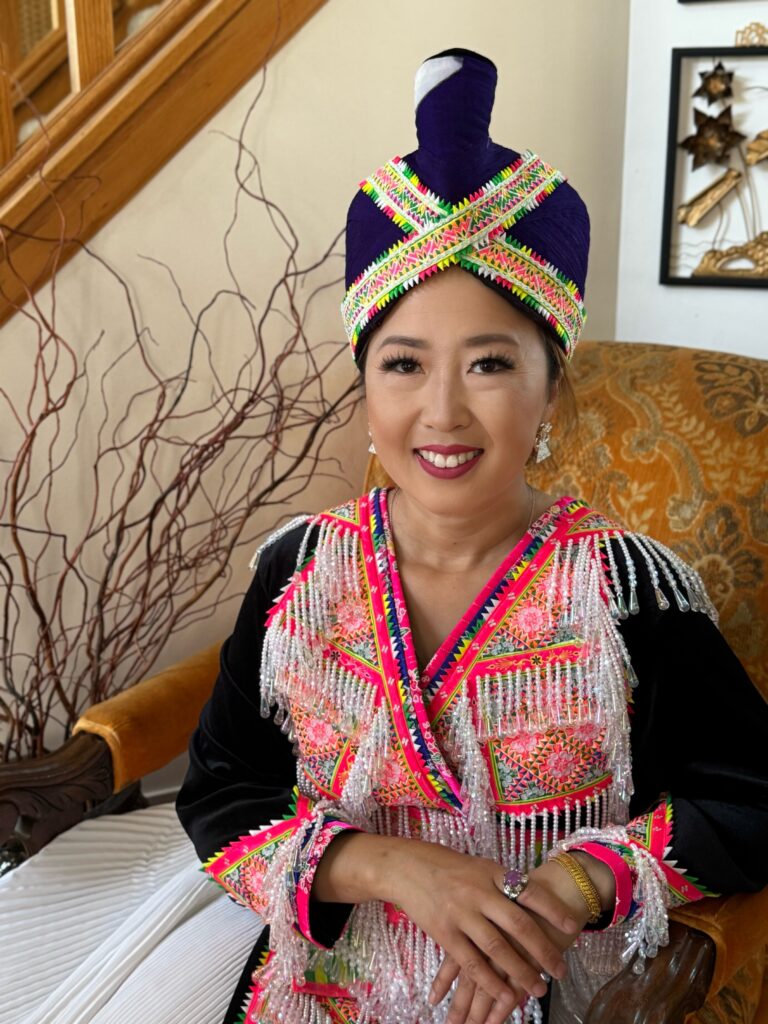
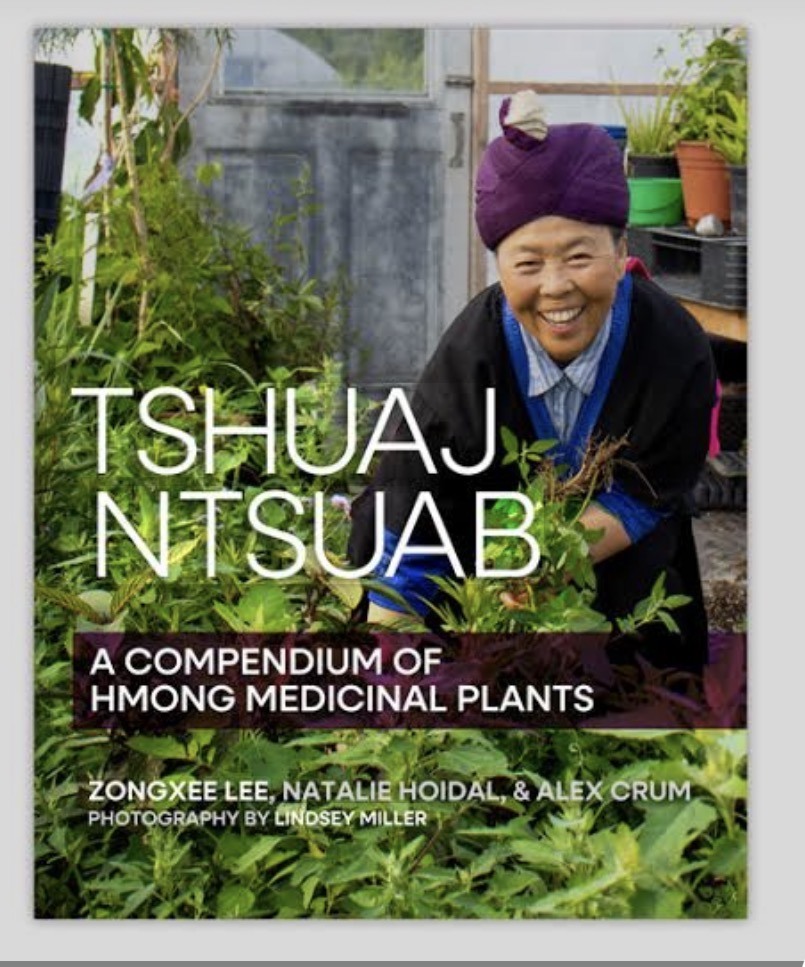
In this edition, we proudly feature Hmong American author Mrs. Zongxee Lee with her new book Tshuaj Ntsuab, A Hmong Compendium of Hmong Medicinal Herbs, to promote holistic healing through a bicultural lens.
**********
Q1. Thank you for speaking with AMA. Can you begin by introducing yourself and describing your journey to Minnesota?
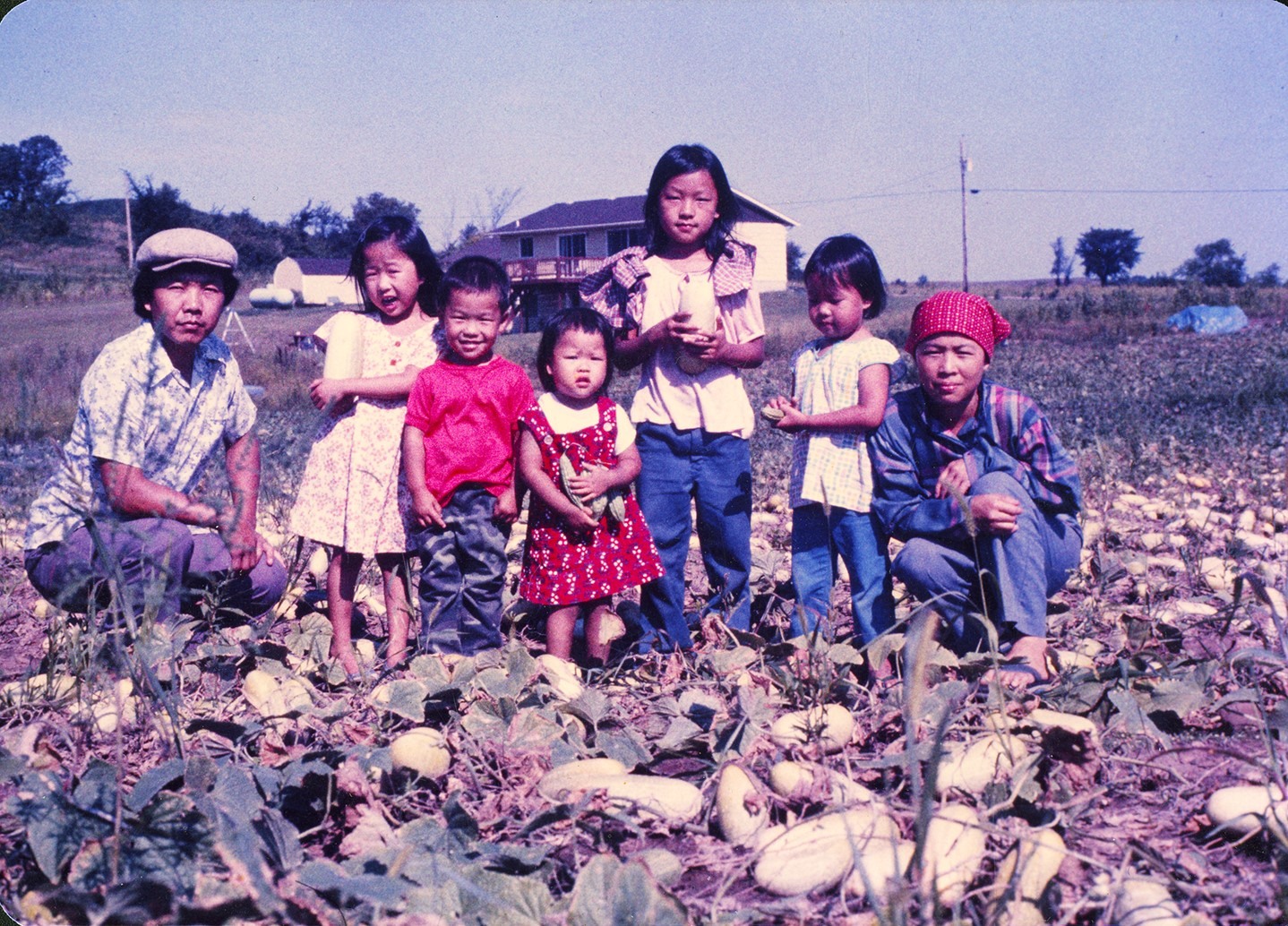
My name is Zongxee Lee. I came to Minnesota when I was just one year old, the daughter of a a Vietnam War Veteran and part of a Hmong refugee family whose journey to America was rooted in survival, resilience, and hope.
When my parents first arrived in the United States, they chose St. Paul, Minnesota because that’s where community was forming , where other Hmong families were trying to rebuild life after war. I was just a one years old when we arrived in St. Paul, then later became the second eldest of eight siblings. Some of my earliest memories are of going grocery shopping with my parents. We would walk the aisles searching, really searching for something that looked even remotely like the vegetables and herbs we knew. There were no Hmong markets then. No familiar bundles of tshuaj ntsuab. The only hmong herb or “tshuaj rau qaib” was lemongrass . No mustard greens the way we liked them. I remember my parents turning produce over in their hands, trying to substitute.
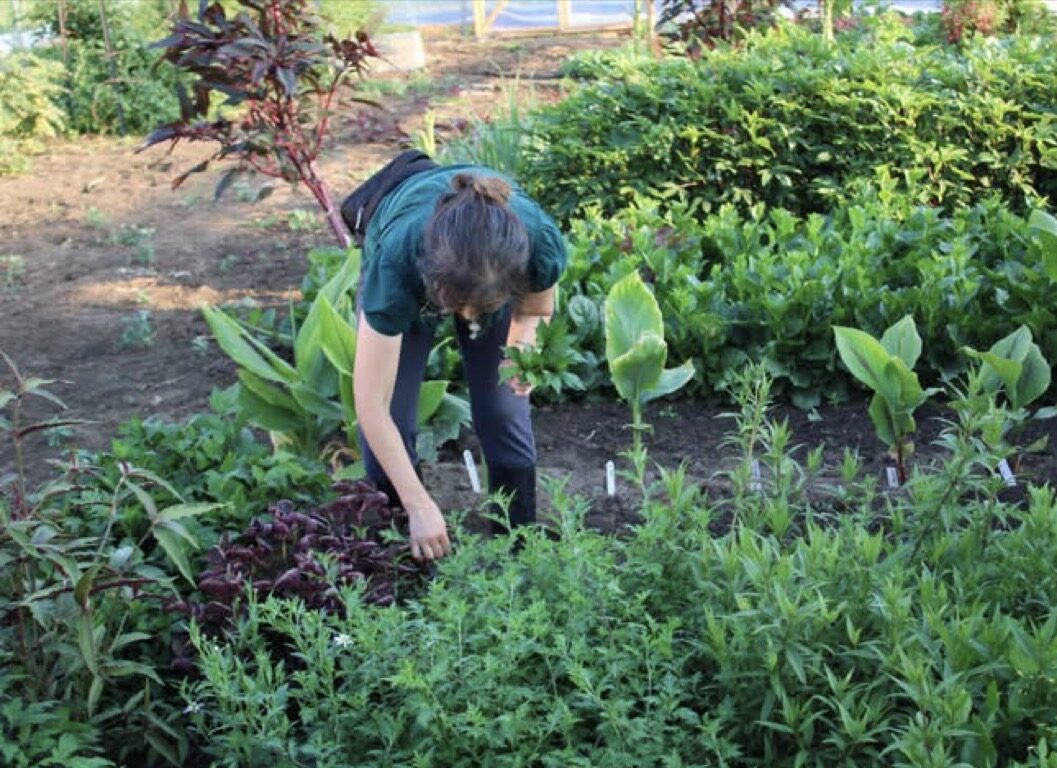
But my mother didn’t settle for substituting vegetables. Instead, she rented gardening land. She learned how to garden in Minnesota soil, soil very different from Laos, so she could grow the foods that carried our identity. Every summer became a mission. We planted mustard greens, herbs, peppers, squash, anything that would help us preserve our flavors and traditions. Fall meant harvesting and preserving enough food to last the winter. Our backyard became our market. Our garden became our cultural lifeline. This is where it all began for me.
I watched my mother carefully protect seeds and herbs because no American store carried what we needed. She saved seeds like they were gold. She shared cuttings with other Hmong families. Plants traveled through community networks the same way stories did. What started as survival slowly became preservation.
And now, in 2026, life has come full circle. We are no longer just searching grocery store aisle, we are the pioneers who kept those plants alive. We are the bridge generation who protected the herbs, seeds, and knowledge so they could thrive here. What was once scarce is now shared openly in markets, gardens, cultural gatherings, and across communities.
From a little girl scanning shelves for familiar greens to a woman helping cultivate cultural spaces rooted in plants and heritage. Minnesota didn’t just become home. We grew into it.
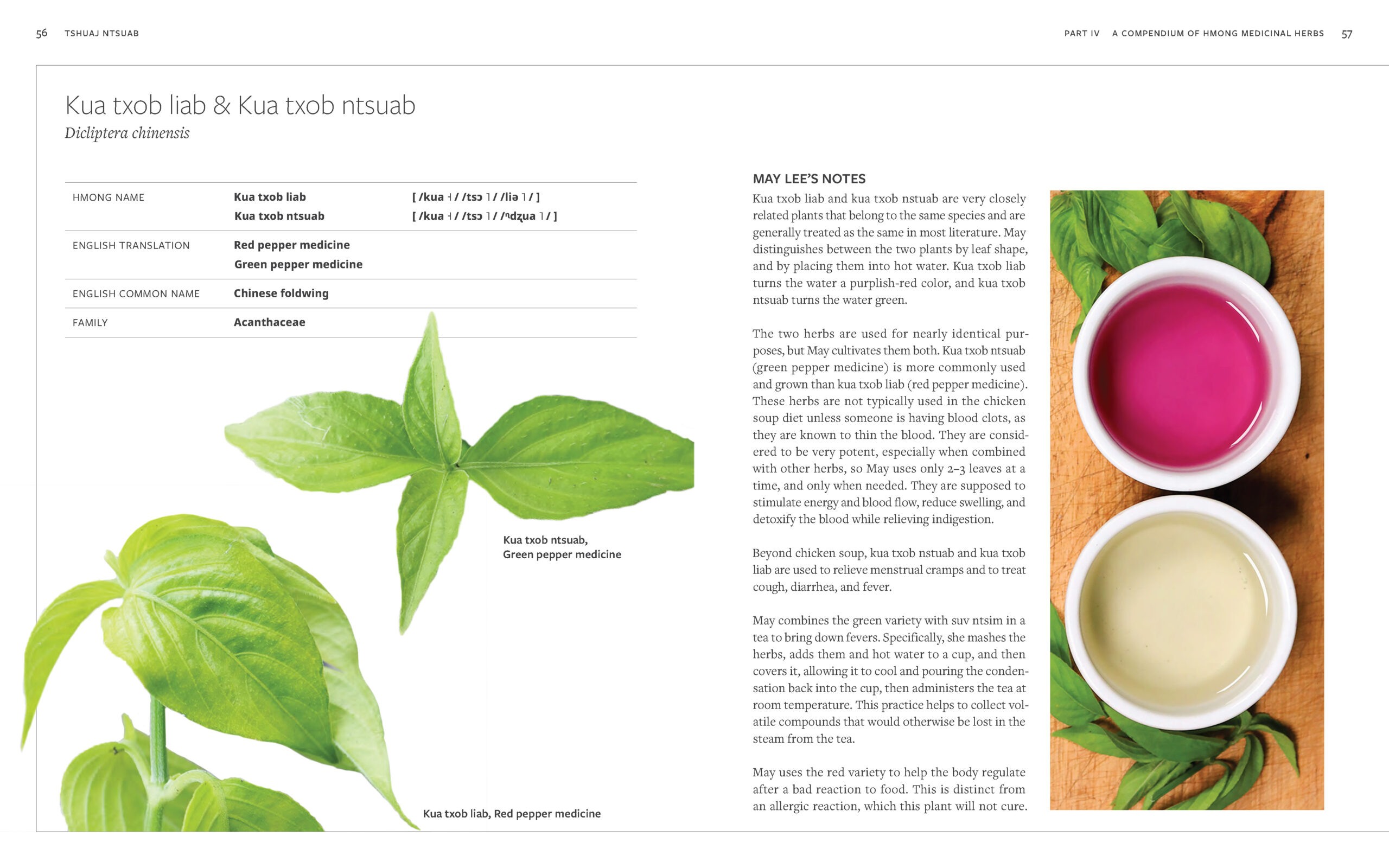 Those beginnings shaped everything about who I am today. I am a Hmong American researcher, cultural educator, herbalist, and author based in Minnesota. Growing up between two worlds, I learned early that our elders carried entire encyclopedias of plant knowledge in their memories sacred wisdom passed down through generations, yet largely undocumented and at risk of disappearing. I felt a calling to protect it.
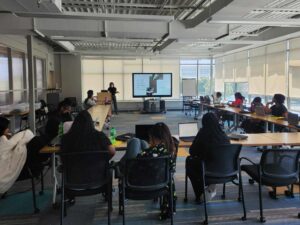
My life’s work has become a mission of reclaiming, researching, and re-centering Hmong herbal knowledge within both academic institutions and community spaces. Over the years, I have interviewed elders, planted and documented traditional herbs, studied their properties, created bilingual educational materials in Hmong and English, and led workshops that bridge traditional healing with modern wellness practices.
In a time when younger Hmong generations are increasingly skeptical of traditional medicine and when even the Hmong names of many herbs are being forgotten . I stand at the intersection of preservation and innovation. I am committed to restoring cultural confidence and reconnecting our community to ancestral knowledge through both storytelling and science.
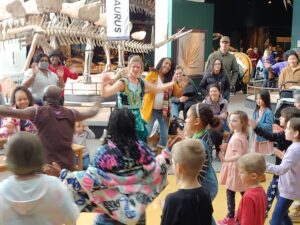
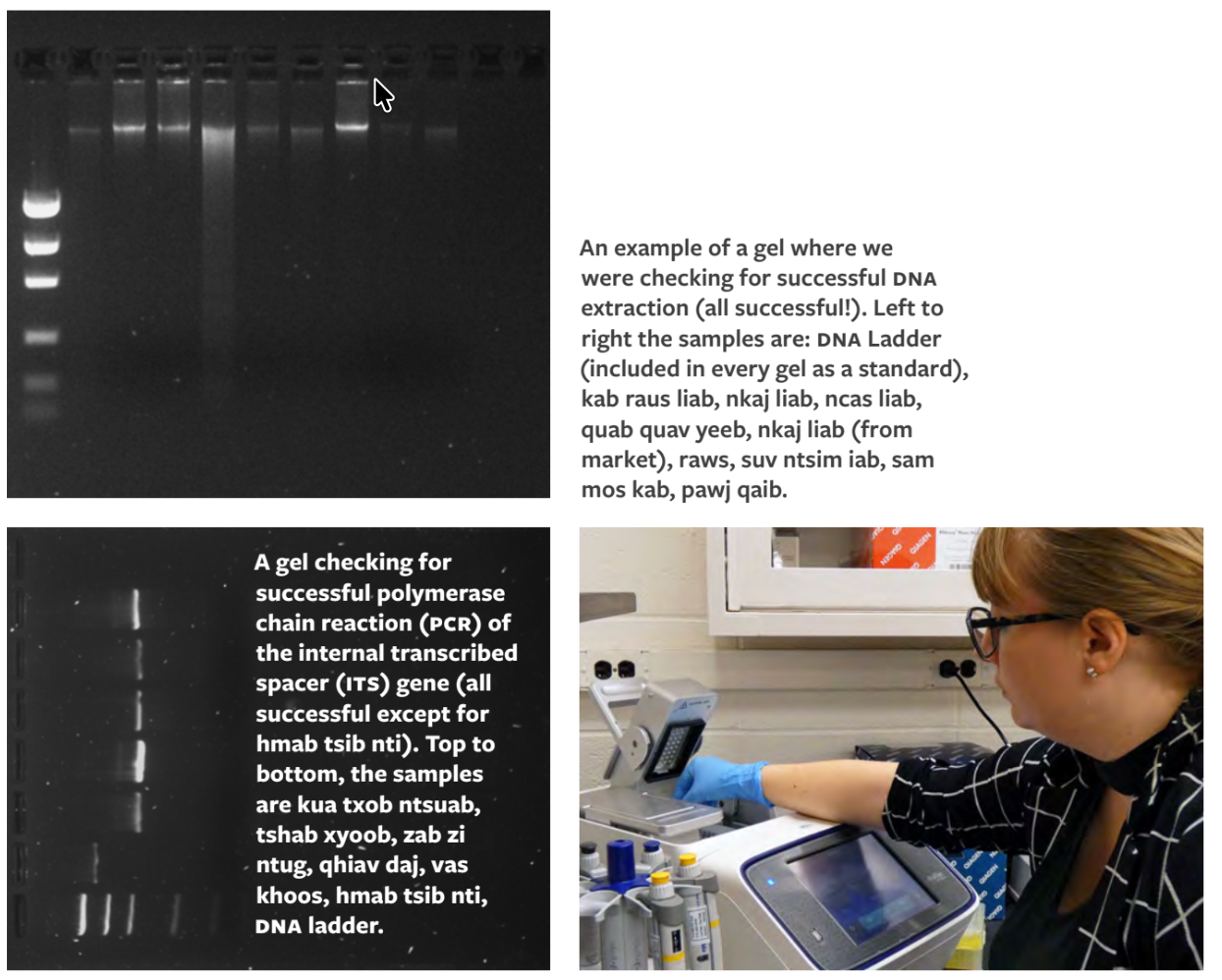
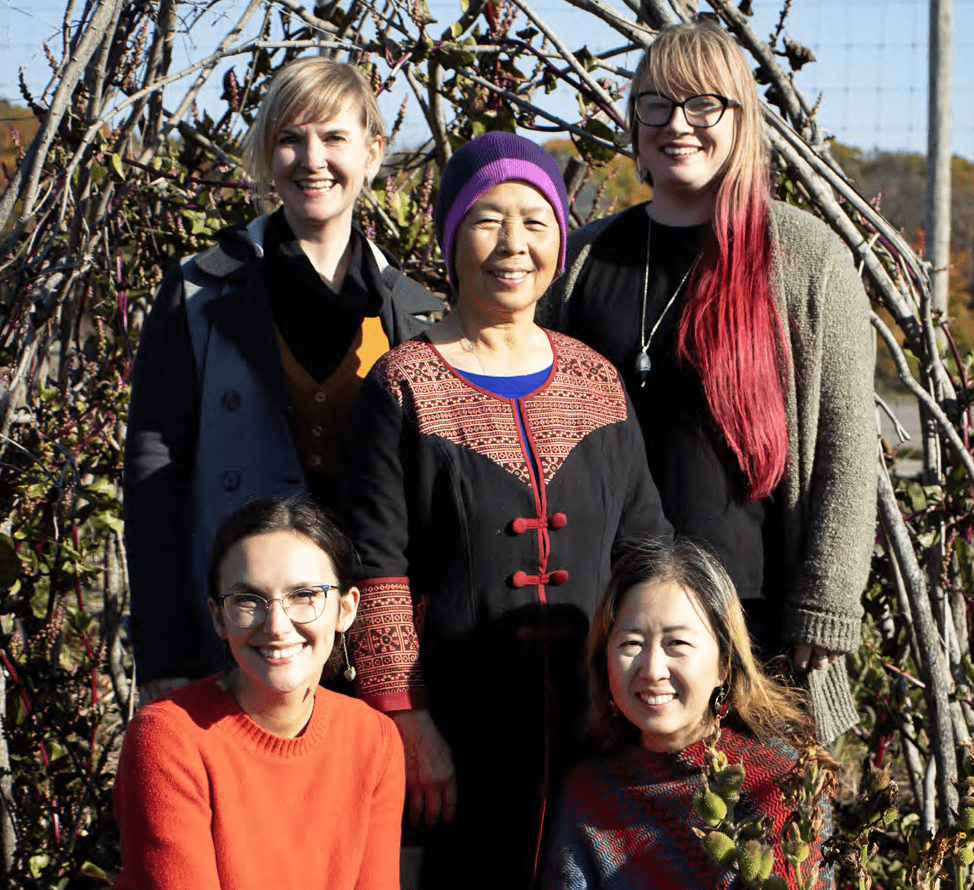
 Today, I am honored to contribute to Minnesota’s cultural landscape in meaningful ways. In 2019, I collaborated with Jamie Ausandorf to create a cultural garden showcasing Hmong herbs for educational tours. More recently, I have had the incredible opportunity to curate a Hmong Botanical Garden at the Minnesota Landscape Arboretum, where I presented DNA sequencing research conducted in partnership with Dr. Alex Crum and research partner Natalie Hoidal in 2024 and 2025 blending ancestral plant wisdom with modern scientific validation.
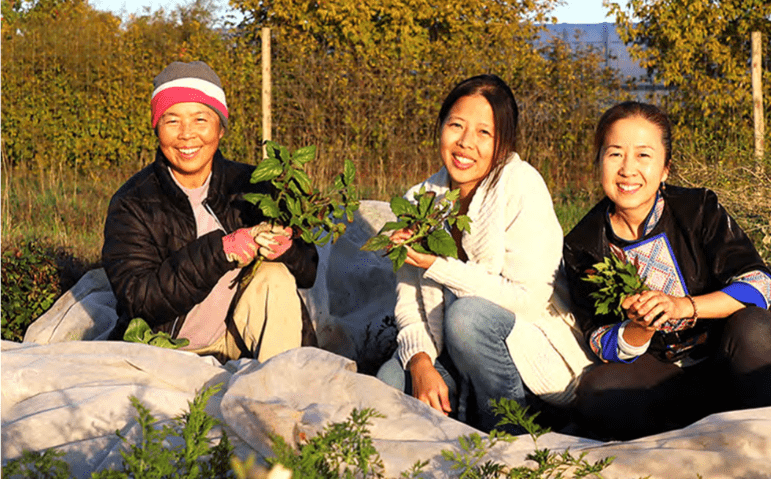
At my Hugo garden location, I created flower fields as spaces for families and children to gather, take photos, and experience healing through beauty and nature, now culminates in my new book on Hmong herbs – a labor of love that honors our elders, preserves our language, validates our knowledge through research, and invites the next generation to stand confidently in both tradition and innovation.
I am not just preserving plants. I am preserving memory, identity, and legacy.
Q2. How did your own cultural identity evolve while working in researching and writing about Hmong herbs? How has that work shaped your sense of belonging in both Hmong and American cultures?
Researching Hmong herbs transformed my identity from something I once felt I had to balance into something I now fully embody.
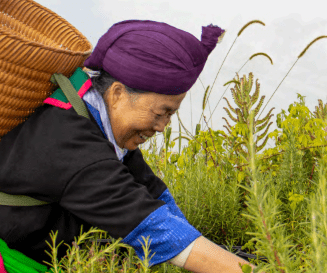 As the child of refugees, I often felt suspended between two worlds too Hmong in American spaces and too American in traditional spaces. For years, that in-between feeling felt like tension. But when I began documenting our herbal knowledge, something shifted. I realized our culture is not static or outdated it is living science. It is centuries of observation, experimentation, intergenerational data collection, and ecological intelligence passed down through memory and practice.
Through research and writing, I came to understand that bicultural identity is not a contradiction it is a strength. My American academic training gave me the tools to document, analyze, validate, and publish. My Hmong heritage gave me the knowledge, the language, and the spiritual relationship with the land. Together, they created a holistic worldview one that sees no division between science and tradition.
 As a nurse by background, I began to recognize that everything my mother, father, and grandmother practiced aligned deeply with holistic health principles and plant-based healing. What they taught me about roots, soups, rest, warmth, and balance mirrors what modern wellness now validates. Healing begins from the ground up literally from the roots of plants yet so often we wait until illness becomes chronic before we seek intervention.
I used my healthcare background to thoughtfully collect, interpret, and shape understanding around the herbal practices of the Hmong community. There is a reason our grandmothers prepared specific postpartum broths. There is intention behind the Hmong chicken diet and its restorative soups. These practices were not superstition they were functional medicine, carefully refined through generations. And for so long, they remained undocumented.
Such work has grounded me. I no longer feel divided between worlds. I belong in both because I carry both. I believe bicultural healthy living means honoring ancestral practices while engaging critically, confidently, and intelligently within modern systems. It means recognizing that tradition and science are not opposites. When brought together, they create something more complete. And in embracing both, I have finally embraced myself.
Q3. How do you balance cultural authenticity while making your work accessible to readers who may not be familiar with Hmong traditions?
Balancing cultural authenticity with accessibility begins with respect, respect for our elders, our language, our ceremonies, and the context in which our knowledge was born.
I do not dilute Hmong wisdom to make it fit Western expectations. Instead, I translate it thoughtfully. Translation, to me, is bridge-building, not reduction.
In practical terms, I make my work accessible by providing both Hmong and English terminology so that language is preserved rather than replaced. I explain cultural context before introducing herbal plant names or applications, because understanding why something is used is just as important as knowing how it is used. I also distinguish between traditional belief systems and modern scientific parallels without dismissing either. There is room for both ancestral spirituality and laboratory research. Finally, I weave storytelling alongside academic research, because story carries lived data it holds memory, emotion, and generational wisdom.
But accessibility is not only intellectual , it is sensory and experiential. I invite the community to engage with plants using all five senses: smell the leaves, touch the textures, taste the bitterness, listen to the stories, and truly see the plant in its environment. Authenticity is practiced. It is felt.
Make the traditional Hmong chicken soup with the herbs. Sit with the aroma. Taste the broth slowly. Notice how your body responds. Crush an aromatic leaf and rub it gently on a sore muscle or place it on a minor wound. Pay attention. These plants are as authentic as it gets, they were cultivated through generations of relationship with the land. They evolved with us.
For immigrant and refugee communities, bicultural wellness means learning how to advocate for yourself within Western healthcare systems while maintaining your cultural roots. It means understanding medical terminology while remembering the language your grand/mother used. It means knowing when to seek clinical care and when to prepare the healing soup. I try to model that bridge.
Accessibility is not about simplifying tradition or stripping away its depth. It is about invitation. I invite readers in whether they are Hmong or not without compromising the integrity of the knowledge. In doing so, I show that bicultural healthy living is not a compromise between two worlds. It is the strength that comes from carrying both.
When we honor both, we do not lose authenticity — we embrace it.
Q4. What were some pivotal challenges you faced while building your life in America?
My journey has not been without challenges. As a first-generation daughter navigating institutions that have not always valued Indigenous knowledge, balancing family responsibilities, and overcoming self-doubt, I have had to grow into my voice. Those challenges did not silence me they strengthened me.
One of the most pivotal challenges I faced while building my life in America was invisibility the invisibility of Hmong history, refugee trauma, and Indigenous plant knowledge within mainstream systems. Growing up, I rarely saw our stories reflected in textbooks, healthcare spaces, or public conversations. Our community’s contributions and struggles often went unrecognized, and that absence shaped how I understood belonging.
 As the daughter of refugees, I also carried the dual weight of gratitude and pressure. Many children of immigrant and refugee families understand this tension the deep appreciation for our parents’ sacrifices, alongside the unspoken expectation to succeed, translate, advocate, and uplift the entire family. We often grow up quickly, navigating two languages and two cultural systems at once. Balancing cultural duty with personal calling was not always easy. I had to learn that honoring my parents’ journey did not mean silencing my own.
Entering the healthcare field revealed another layer of challenge. As a nurse, I witnessed firsthand the health disparities within our community: language barriers, cultural misunderstandings, and gaps in care that left families feeling unseen or misinterpreted. I saw postpartum Hmong mothers questioned for drinking only hot water or following the traditional chicken diet. I saw providers unsure how to interpret practices that, to us, carried generations of reasoning and lived experience.
These moments were pivotal. They showed me that preserving herbal knowledge is not about nostalgia, it is about public health and cultural survival. When cultural practices are misunderstood, communities suffer. When language barriers prevent patients from fully expressing themselves, care becomes fragmented. Healing begins when we remember who we are.
 Through my research and documentation, I began teaching nurses and healthcare professionals the physiological and cultural significance behind postpartum traditions , why warmth matters, why restorative broths are consumed, why specific restrictions exist. The Hmong chicken diet is intentional recovery nutrition. It supports healing, circulation, and balance after childbirth. What was once seen as mysterious or outdated is now contextualized and explained through both cultural knowledge and health science.
Beyond healthcare, I remain concerned about the erosion of language, the loss of plant names, and the growing disconnection younger generations feel from ancestral knowledge. These are not small issues , they are tied to identity, mental health, and community resilience.
Each challenge I faced: invisibility, generational pressure, systemic misunderstanding, ultimately clarified my purpose. I did not just want to succeed within American systems. I wanted to expand them to make space for us. And in doing so, I turned those pivotal challenges into the foundation of my life’s work.
Q5. Love your statement “Healing begins when we remember who we are.” Reflecting on that journey, what impacts do you hope to have on the next generation?
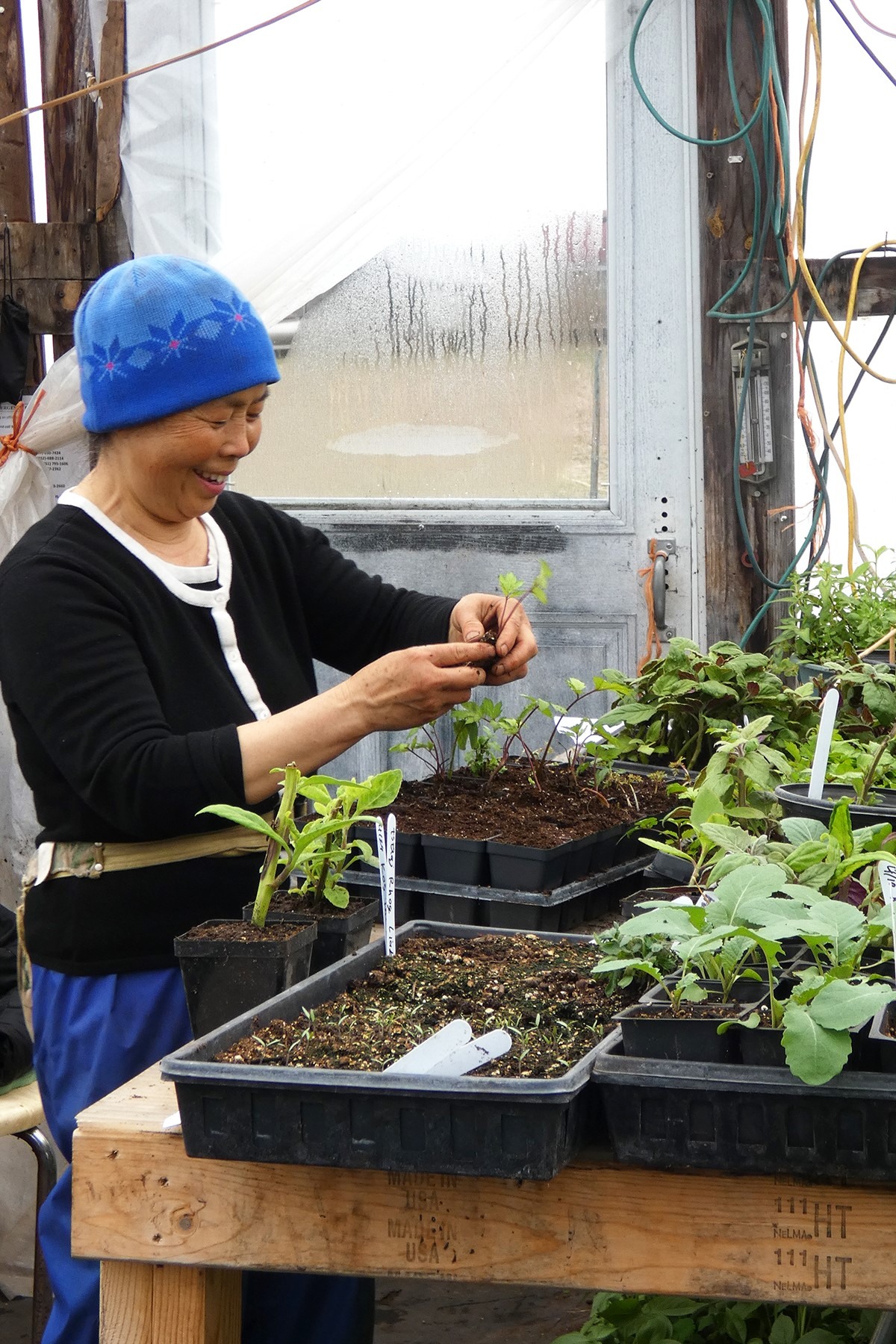
I hope the next generation grows up without shame about their heritage. I hope they see Hmong knowledge not as “old ways” but as intellectual inheritance.
I want young people especially daughters of refugees, to know that they can be researchers, authors, cultural bearers, and bridge-builders. I hope my work encourages them to document their elders, plant gardens, speak their language, and pursue higher education without abandoning their roots. If my journey shows anything, it is that remembering who we are is an act of resistance and healing.
Q6. Any final words for our readers?
To readers: Your roots are your parents and ancestors. My new book is about my roots, my mom’s journey in saving the life of the herbs to America, just like she saved my life from drowning at the Mekong River as we escape the Vietnam War. Own and protect your stories. Document your elders. Learn the language. Plant something. Research something. Write something. Grow something.
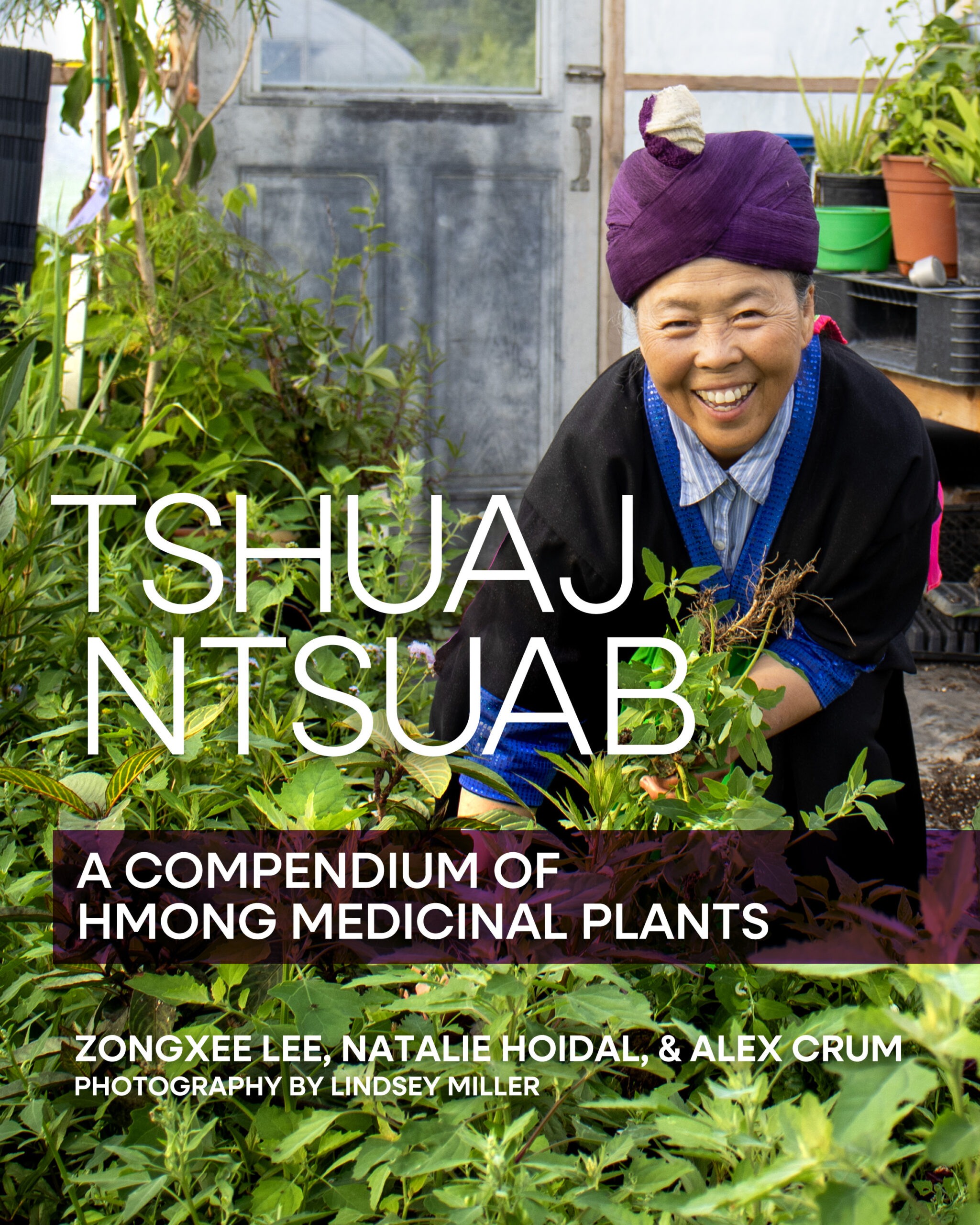 My new book Tshuaj Ntsuab, A Hmong Compendium of Hmong Medicinal Herbs, will launch in April 2026, and I invite you to be part of this movement of cultural preservation and holistic wellness. Thank you for holding space for our stories. Our roots are deep and they are still growing.
FMI: To order Zongxee Lee‘s new book – Tshuaj Ntsuab, A Hmong Compendium of Hmong Medicinal Herbs, please go to link:https://shop.mnhs.org/products/tshuaj-ntsuab-a-compendium-of-hmong-medicinal-plants